In the evolving world of golf, the importance of a reliable Golf Cart Battery Charger cannot be overstated. According to the National Golf Foundation, over 24 million Americans played golf in 2022, leading to a rising demand for effective and efficient charging solutions. Scott B. Miller, a renowned expert in the golf cart accessories industry, states, “Choosing the right charger can significantly enhance the lifespan of your battery.”
Golf cart batteries are often under an immense workload, particularly with frequent use. A suitable Golf Cart Battery Charger not only reduces downtime but also ensures peak performance during rounds. In a recent market analysis by Golf Industry Report, it was revealed that 75% of golf cart owners experience issues due to improper charging methods, leading to premature battery failure.
Many golfers may overlook the specifics of charger types and their compatibility with battery varieties. A poor choice can lead to excessive heat or insufficient charge. It's crucial for users to reflect on their requirements and the technical specifications of the chargers available. Investing in a high-quality Golf Cart Battery Charger can save time and improve overall golfing experience, aligning maintenance strategies with optimal performance outcomes.
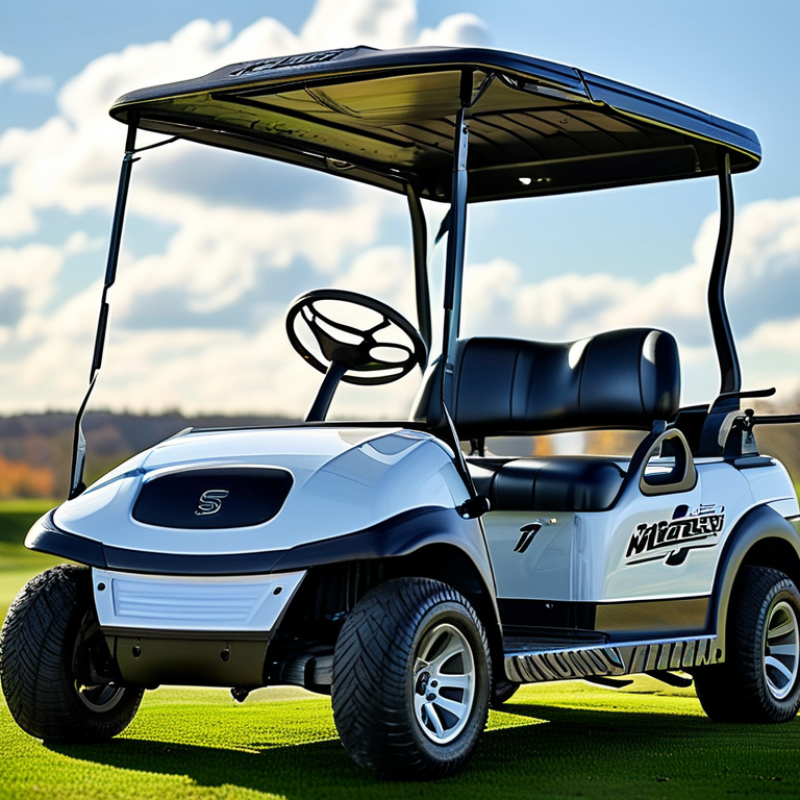
Choosing the right golf cart battery charger is crucial for optimal performance. A suitable charger ensures your battery lasts longer and performs better. This choice directly impacts your golf cart's efficiency on the course. Many users overlook the specifications and compatibility. Picking the wrong charger can lead to overcharging or undercharging, damaging your battery.
When selecting a charger, consider the amp rating. A charger with a higher amp rating charges faster but may not be the best for all batteries. Slower chargers can improve battery life. Look for a charger with automatic shut-off features. This helps prevent overcharging and saves energy.
Tips: Always check your battery's voltage before purchasing a charger. Make sure it matches your battery's needs. If unsure, consult the battery manual or an expert. Regularly inspect charger cables for wear and tear. Damaged cables can be hazardous. Taking these steps can enhance the longevity of your golf cart battery.
| Charger Type | Voltage | Amperage | Compatibility | Special Features |
|---|---|---|---|---|
| Automatic Smart Charger | 48V | 20A | Lead Acid, Gel, AGM | LED Indicator, Overcharge Protection |
| Portable Charger | 36V | 15A | Lead Acid, Lithium | Compact Design, Fast Charging |
| Smart Bluetooth Charger | 48V | 10A | All Battery Types | App Control, Diagnostics |
| Heavy-Duty Charger | 48V | 25A | Lead Acid, AGM | High Efficiency, Cooling Fan |
| Solar Battery Charger | 12V | 5A | Lead Acid, Lithium | Eco-Friendly, Portable |
When selecting a golf cart battery charger, understanding the types available is crucial. Different chargers cater to varied battery types, demands, and performance needs. Some chargers are specifically designed for lead-acid batteries, while others target lithium-ion variants. Each type comes with its own set of features, like voltage ratings and charging speeds.
In addition to standard options, there are smart chargers that automatically adjust their settings based on battery needs. This adaptability helps prolong battery life and ensures efficient charging. However, investing in such technology requires careful consideration. The initial cost may be higher, but the long-term benefits often outweigh this expense.
Portable chargers are another versatile choice. They are handy for those who frequently travel or participate in tournaments. Some users may find them less powerful than traditional wall-mounted chargers. Nonetheless, their convenience can't be overlooked. Whether you prioritize speed, efficiency, or portability, knowing your options will empower your decision-making. Choosing the right charger can still be a complex endeavor, requiring ongoing evaluation and learning.
When selecting the best golf cart battery charger, it’s essential to focus on key features that meet your specific needs. First, consider the voltage compatibility of the charger. Most golf carts operate on 36V or 48V systems. A charger matching this voltage ensures efficiency and prevents damage. According to a study by the National Golf Cart Association, using the correct voltage can extend battery life by over 20%.
Charging speed is another crucial factor. Chargers vary in amp output, affecting how quickly they replenish battery capacity. Higher amps mean faster charging, but it's essential not to exceed manufacturer recommendations. Fast charging can lead to overheating, which may reduce battery lifespan.
Tip: Look for chargers with automatic shut-off features. This can help prevent overcharging, a common issue that can degrade battery performance.
Safety is paramount. Ensure your charger has built-in protection against short circuits and surge voltages. Research indicates that chargers with advanced safety mechanisms reduce incidents significantly. Regularly inspect chargers for wear and tear, as damaged equipment can pose serious risks.
Tip: Always follow the manufacturer's guidelines for charging times. This simple practice can help mitigate risk while optimizing your battery's health.
Maintaining your golf cart battery charger is essential for longevity and efficiency. Regular care can prevent costly replacements and ensure optimal performance. Start by inspecting the charger frequently. Check for any frayed wires or signs of wear. A damaged charger can lead to inefficiencies or hazards.
Tips: Keep the charger dry and clean. Moisture can cause corrosion on electrical components. If your charger gets wet, dry it thoroughly before use. This simple step can save you from serious issues later on.
Pay attention to the charger’s ventilation. Ensure that air can circulate freely around the charger when in operation. Overheating can shorten its lifespan. It’s also important to recharge batteries in a well-ventilated area to avoid potential gas buildup.
Tips: Avoid overcharging your batteries. This can lead to damage and reduce their lifespan. Use an automatic shut-off feature if available. These small actions contribute to better battery life and safety. Regular maintenance practices will encourage a reliable performance from your golf cart battery charger.
When selecting a golf cart battery charger, you need to consider several factors. First, the type of battery in your cart matters. There are lead-acid and lithium batteries, each requiring different charging methods. Research indicates that around 70% of golf cart users prefer lead-acid batteries due to their affordability. However, lithium batteries are gaining traction for their longer lifespan and faster charging capabilities.
A recent industry report highlights that a quality charger can increase battery life by up to 30%. This shows the importance of using the right charger. Many chargers have automatic shut-off features to prevent overcharging. Overcharging can lead to battery damage and decreased performance. This is a common mistake that users often make.
While there are many options available, not all chargers meet the necessary safety standards. Ensuring compliance with safety certifications is crucial. A charger that lacks proper labeling may pose risks. Filtration of the market helps in identifying reliable products. Some chargers are also designed for dual voltage, offering versatility. However, make sure to check compatibility before purchasing. A thoughtful approach saves you time and money in the long run.
: A suitable charger ensures your battery lasts longer and performs better. Incorrect choices can lead to damage.
Check the amp rating. Higher amps mean faster charging, but it might not suit all batteries.
Most golf carts use 36V or 48V systems. A matching charger prevents damage and enhances efficiency.
Slower chargers may improve battery life compared to faster ones, which can lead to overheating.
Automatic shut-off features help prevent overcharging. Safety from short circuits is also crucial.
Regularly inspect cables for wear or damage. Faulty equipment poses serious risks.
Fast charging can degrade battery lifespan if it exceeds manufacturer recommendations.
Yes, it's essential for ensuring compatibility and preventing potential issues with charging.
Regular checks, using compatible chargers, and following guidelines can significantly extend battery life.
Many users overlook specifications, leading to overcharging or undercharging that damages the battery.
Choosing the right Golf Cart Battery Charger is crucial for ensuring the longevity and performance of your golf cart. This article emphasizes the importance of selecting a charger that suits your needs, exploring the various types available, including automatic, manual, and smart chargers. Each type has its own advantages, allowing users to find an ideal match based on their golf cart's battery specifications.
When selecting a Golf Cart Battery Charger, it's essential to consider key features such as voltage compatibility, charging speed, and safety features. Proper maintenance and care can prolong the lifespan of your charger and enhance its efficiency. Lastly, the article provides top recommendations for chargers that stand out in the market, making it easier for users to make informed decisions without being swayed by brand names.

ELITE POWER