How to Choose the Best USB Power Bank for Your Needs?

Time:2026-08-07 Author:Oliver
0%

Choosing the right USB power bank can be challenging. With numerous options on the market, it's easy to feel overwhelmed. A quality USB power bank is essential for anyone who relies on their devices throughout the day. Whether you're on a trip or simply commuting, staying charged is crucial.

When selecting a USB power bank, consider its capacity. A higher capacity means more charges for your devices. Look at the output power, too. Some power banks charge faster than others. This is important for busy individuals who need quick access to power. A reliable USB power bank should also fit your lifestyle. Size and weight matter. A compact power bank is easier to carry around.

However, not all USB power banks are created equal. Some may lack safety features, which can lead to risks. Reading reviews and comparing brands can help you avoid these pitfalls. Remember to assess your personal needs carefully. This reflection will guide you to make a well-informed choice.
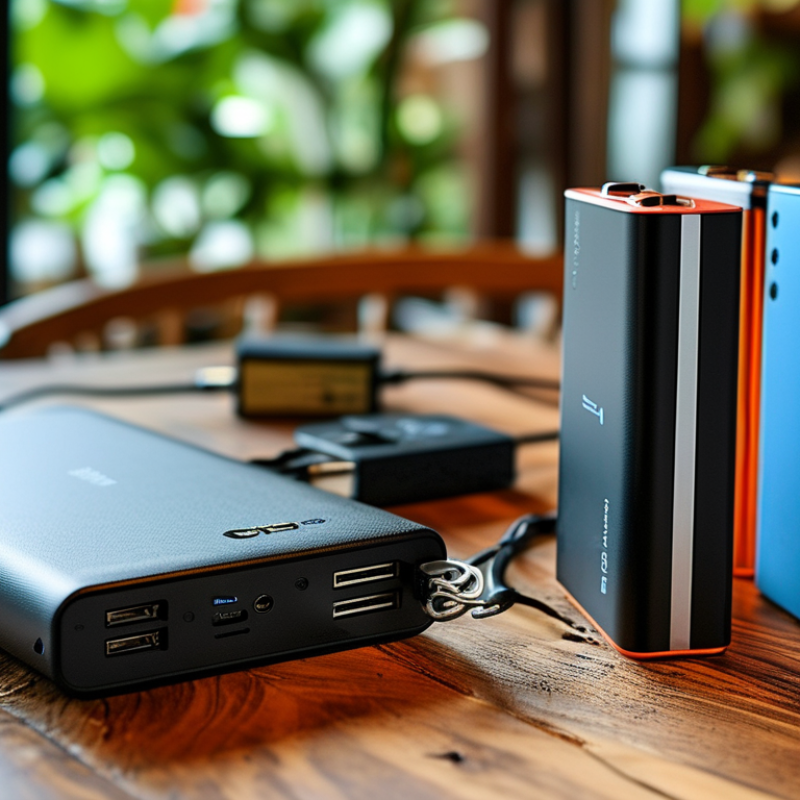
How to Choose the Best USB Power Bank for Your Needs?

Understanding Power Bank Capacity: mAh Ratings Explained

When selecting a USB power bank, understanding mAh ratings is crucial. The milliampere-hour (mAh) measures the energy capacity. A higher mAh indicates more power storage. For instance, a power bank rated at 20,000mAh can fully charge a smartphone several times. Yet, not all devices demand the same energy.

Industry data suggests that most smartphones require between 2,500mAh to 4,000mAh for a full charge. This means a 10,000mAh power bank can fully charge these devices around two to four times, depending on the phone model. However, users often overlook conversion loss. Charging is not 100% efficient; expect a 20-30% loss in energy during the process.

Choosing the right capacity also depends on usage habits. If you travel frequently, a higher capacity might be necessary. Conversely, casual users may opt for lower mAh models. It’s important to reflect on your habits. Are you often away from power sources? Do you drain your phone daily? Recognizing your needs will guide you to the appropriate power bank size.

Types of USB Power Banks: Choosing Between Standard, Fast, and Solar Models

When selecting a USB power bank, understanding the types available is crucial. Standard models are ideal for everyday use. They provide sufficient power for smartphones and tablets. If speed is your priority, consider fast models. They charge devices quickly and efficiently. For outdoor enthusiasts, solar power banks are a game changer. They can harness the sun’s energy, offering an eco-friendly solution.

Tips: Check the power capacity. A higher mAh rating means more charging cycles. For example, a 10,000mAh power bank typically charges a smartphone two to three times. However, weight and size can be a trade-off.

Not all power banks are created equally. Some may look sleek but underperform. Look for reviews and user feedback. A power bank that fails to charge may not be worth your investment. Choose wisely based on your lifestyle needs.

Evaluating Charging Speed: Output Voltage and Amp Specifications

When selecting a USB power bank, charging speed is crucial. This includes two key specifications: output voltage and amp ratings. Higher voltage can result in faster charging times. For instance, a power bank with an output of 5V can recharge devices relatively quickly. But, if it supports 9V or 12V, the difference is dramatic.

Ampere ratings also matter. A power bank with higher amp outputs can deliver more current to a device. Typically, a 1A output charges slowly, while a 2.1A output can do the job much faster. It’s essential to consider both factors when choosing a power bank for your needs.

Real-life scenarios highlight the importance of these specifications. Users may find that a power bank with inadequate amp ratings can leave devices partially charged after a long wait. Ignoring these specs can lead to frustration. Many overlook the compatibility of their devices, which affects the efficiency of charging. A thoughtful approach to both output voltage and amp ratings ensures an optimal charging experience.

Charging Speed Evaluation of USB Power Banks

Assessing Portability: Size and Weight Considerations for Travel

When selecting a USB power bank, portability is crucial. Size and weight play significant roles in how easily you can carry your device while traveling. A recent industry report indicates that the ideal weight for a travel-friendly power bank is under 300 grams. This ensures it can fit in most bags without adding extra bulk. A compact design also makes it comfortable to hold during use.

It's essential to evaluate the dimensions of your power bank. A typical portable option is around the size of a smartphone. This size offers convenience but may limit battery capacity. A balance is often needed between lightweight design and power. According to testing data, power banks with a capacity of 10,000mAh often provide a satisfactory balance of portability and performance. Users should be aware that larger capacities lead to increased weight, which might deter some travelers.

Choosing a power bank requires consideration of your specific needs. Think about how often you travel and the devices you'll charge. A power bank that meets your standards may not suit another person's requirements. Ultimately, understanding your usage habits can guide you toward finding the right balance between size, weight, and power capacity.

How to Choose the Best USB Power Bank for Your Needs? - Assessing Portability: Size and Weight Considerations for Travel

Power Bank Model Capacity (mAh) Size (mm) Weight (g) Number of Ports Price (USD)
Model A 10000 140 x 70 x 15 200 2 25
Model B 20000 150 x 75 x 17 300 3 40
Model C 5000 120 x 60 x 12 150 1 15
Model D 10000 130 x 68 x 13 180 2 30
Model E 26800 160 x 75 x 22 500 3 60

Key Features to Look For: Safety, Design, and Additional Functionality

When selecting a USB power bank, consider safety features, design, and added functionality. Safety should be the top priority. Reports show that over 300 device failures occur yearly due to unsafe batteries. Look for power banks with built-in overcurrent and overcharge protection. These features help prevent overheating, ensuring device longevity and user safety.

Design impacts usability significantly. A compact and lightweight power bank can enhance portability. According to a survey, 70% of users prefer power banks weighing under 200 grams. A power bank's capacity matters too. Most users need a device with at least 10,000 mAh, enough to recharge a smartphone two to three times. Incorporating additional functionality, such as flashlight modes or wireless charging, can improve practical use.

Tips for choosing wisely: Always check reviews for durability. User feedback often reveals recurring issues that experts may miss. Assess whether the design suits your lifestyle—bulkiness can lead to inconvenience. Balancing safety, design, and functionality ensures you find a power bank that meets your needs without compromising quality.

FAQS

: What does m

h stand for?

How does mAh rating affect charging?

A higher mAh rating means more power storage. For example, a 20,000mAh bank charges smartphones several times.

How much mAh do most smartphones require?

Most smartphones need between 2,500mAh to 4,000mAh for a full charge.

What should I consider regarding charging efficiency?

Charging isn't 100% efficient. Expect a 20-30% energy loss during the charging process.

How do my usage habits impact power bank choice?

Frequent travelers may need higher capacity banks, while casual users might prefer lower mAh options.

Why is portability important in power banks?

Portability determines ease of carrying while traveling. Size and weight significantly impact this.

What is the ideal weight for a travel-friendly power bank?

The ideal travel-friendly power bank should weigh under 300 grams for convenience.

How big should a power bank be for easy carrying?

An ideal portable power bank is about the size of a smartphone for comfort and usability.

Can larger capacity power banks affect travel?

Yes, larger capacities mean increased weight, which may deter some travelers from using them.

How can I determine the right power bank for me?

Reflect on your travel frequency and the devices you want to charge. Choose a bank that meets your personal needs.

Conclusion

When selecting the best USB power bank for your needs, it’s essential to understand various aspects that influence performance and usability. One of the primary considerations is the power bank's capacity, indicated by mAh ratings, which determines how much charge it can hold and, consequently, how many devices it can recharge. Additionally, exploring the different types of USB power banks—such as standard, fast, and solar models—can help users find one that suits their lifestyle, especially for on-the-go charging needs.

Evaluating the charging speed is another critical factor, as output voltage and amp specifications directly affect how quickly devices can be powered up. Portability also plays a significant role; the size and weight of the power bank are crucial for travel convenience. Finally, look for key features such as safety mechanisms, design aesthetics, and any additional functionalities that enhance the overall user experience. By considering these elements, you can make an informed decision when choosing a USB power bank that meets your specific requirements.


Oliver

Oliver

Oliver is a seasoned marketing professional with a wealth of expertise in driving brand awareness and engagement. With a deep understanding of our company's product offerings, he consistently delivers high-quality content that enriches our professional blog. His insights not only shed light on......