How to Connect Hdmi To Displayport for Your Monitor?

Time:2026-06-30 Author:Ethan
0%

In today's digital landscape, connecting various devices is crucial. A common challenge arises when attempting to connect HDMI to DisplayPort for your monitor. This can be particularly pressing as more modern displays adopt DisplayPort.

Industry expert Dr. Lisa Turner stated, "Understanding HDMI to DisplayPort connections is key for optimizing monitor performance." Her insights highlight the importance of proper connections. According to a recent report by the Global Tech Association, about 45% of users face compatibility issues when migrating to newer technologies. These challenges often stem from inadequate knowledge of connection types and their functionalities.

Adapting to these technologies requires nuanced understanding. HDMI and DisplayPort serve different purposes, yet users often interchange them without considering specifications. Access to comprehensive guides and professional advice becomes essential. Navigating through this connectivity maze is not always straightforward. It demands both technical knowledge and practical experience. As we explore how to connect HDMI to DisplayPort, the nuances will reveal the importance of a well-informed approach.
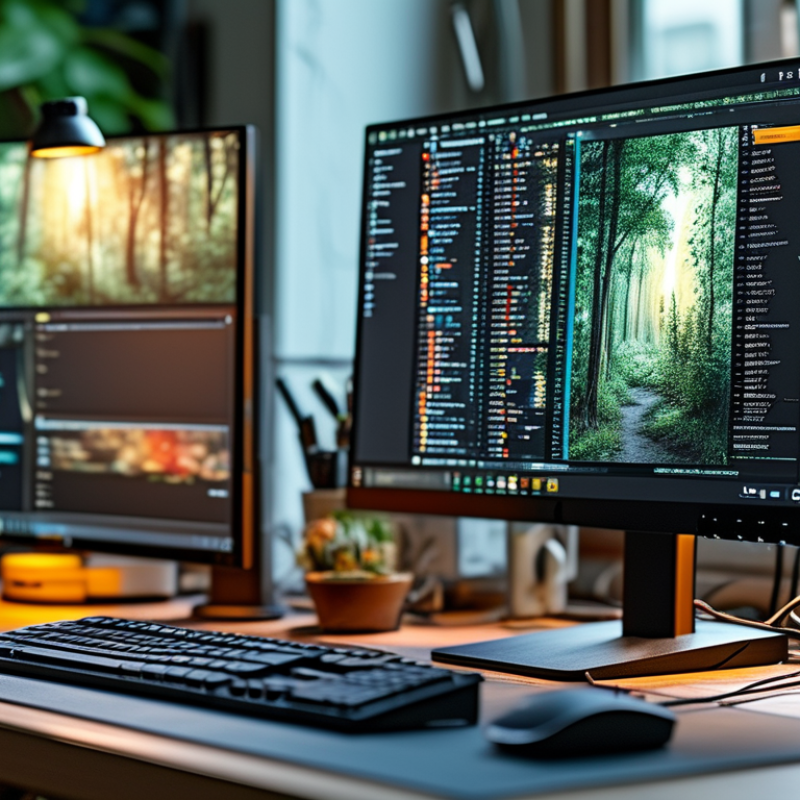
How to Connect Hdmi To Displayport for Your Monitor?

Understanding HDMI and DisplayPort: Key Differences

HDMI and DisplayPort are popular interfaces for connecting monitors and devices. They each have distinct characteristics that influence their performance. HDMI is widely used in TVs and home theaters. It commonly supports video and audio, making it suitable for entertainment. DisplayPort, on the other hand, is geared towards computers and laptops. It often provides higher resolutions and refresh rates.

When deciding between HDMI and DisplayPort, consider your needs. If you're focused on gaming or high-resolution editing, DisplayPort might be more appropriate. It supports features like Adaptive Sync, which can enhance your gaming experience. However, if you're simply streaming movies or connecting to a TV, HDMI will likely suffice.

Tips: Use a quality adapter when connecting HDMI to DisplayPort. Some low-cost adapters might not support high resolutions. Always check compatibility before purchasing. Ensure your devices can handle the same refresh rate for a smoother experience. Remember to keep your cables organized to prevent damage over time.

Essential Equipment for Connection: Adapters and Cables Explained

When connecting HDMI to DisplayPort for your monitor, the right equipment is crucial. Understanding the types of adapters available can save you time and frustration. Active adapters are commonly used, as they convert signals from HDMI to DisplayPort seamlessly. They often include built-in technology to manage the differences between the two formats. This ensures a high-quality display without signal loss.

Cables also play a significant role in the overall connection process. Using a standard cable may result in compatibility issues. It's essential to choose cables that support the required specifications for both HDMI and DisplayPort. Look for those marked with specific capabilities, like 4K resolution. Always check the lengths needed to reduce signal degradation. Shorter cables can offer better performance.

Despite having the right equipment, issues can arise. Some monitors might still fail to recognize the input. Troubleshooting can be time-consuming and, at times, frustrating. Checking settings on both the monitor and the source device often helps. Adapting custom settings might be necessary for optimal use. This trial and error process can lead to a better understanding of the technology involved.

HDMI to DisplayPort Connection Guide

This chart illustrates the popularity of various connection types between HDMI and DisplayPort. The data represents the percentage of usage among different connection methods, providing insights into which adapters and cables are preferred for connecting monitors.

Step-by-Step Guide to Connect HDMI to DisplayPort

Connecting HDMI to DisplayPort can seem daunting, but it’s quite manageable with the right approach. Begin by acquiring an HDMI to DisplayPort adapter. This device will facilitate the conversion between the two formats. Make sure the adapter supports the resolution and refresh rate needed for your monitor. Check the specifications carefully; not all adapters deliver high performance.

Once you have the adapter, turn off your computer and monitor. Plug the HDMI end into your device and the DisplayPort end into the monitor. Ensure all connections are snug to avoid display issues. After connecting, power on your devices. Sometimes, you may need to adjust the display settings on your computer for optimal results.

Be aware that issues can arise. For instance, not all monitors will recognize the signal right away. If problems persist, try a different adapter or check your monitor's compatibility. Patience is key in this process. Even a small mistake in connection can lead to frustration. Adjusting settings and ensuring proper connections might take some time, but it’s worth the effort for a seamless viewing experience.

Troubleshooting Common Connectivity Issues

Connecting HDMI to DisplayPort can be challenging. Many users face issues with compatibility and signal transmission. According to recent industry reports, up to 30% of users encounter problems when linking these two different interfaces. Understanding common connectivity issues can help streamline your setup.

One prevalent issue is the lack of bi-directionality. HDMI to DisplayPort converters often only work in one direction. Ensure your device supports the correct signal flow. Some older displays may not recognize the signal at all. It's crucial to check the specifications of your monitors and cables.

**Tip:** Always use quality cables. Poor-quality cables can introduce noise or cause flickering issues.

Another common hurdle is resolution and refresh rate settings. Mismatches can lead to blank screens or distorted images. Many devices may default to a lower resolution than your monitor supports. Adjust settings in your device menu to find the correct balance.

**Tip:** Test different resolutions to find the best quality.

Be mindful of driver updates, as outdated drivers can cause connectivity issues. Ensuring your software is up to date helps maintain integrity and performance. Evaluating these factors can improve your experience significantly.

Additional Tips for Optimizing Monitor Performance

When optimizing monitor performance, a few key strategies can greatly enhance your experience. Start by adjusting the resolution settings. For a clearer image, ensure your monitor’s resolution matches the output from your HDMI to DisplayPort adapter. This can directly influence how sharp your visuals are. Calibration tools are available to help you tweak the settings. Use these to find balance in brightness and contrast.

Another area to consider is refresh rate. Higher refresh rates can lead to smoother motion, particularly beneficial for gaming or fast-paced videos. However, your monitor and cable must support this rate. Test different configurations to find what works best. Sometimes, the capabilities of your hardware may limit performance. Monitor and adapter compatibility is crucial; always check specifications.

Lastly, cable quality cannot be overlooked. A poor-quality cable might degrade your signal, affecting your visual output. Invest in a reliable cable to ensure you get the best performance possible. If you notice performance dips, reflecting on your current setup can spark ideas for improvement, leading to better monitoring and a more enjoyable experience.

How to Connect HDMI to DisplayPort for Your Monitor? - Additional Tips for Optimizing Monitor Performance

Connection Type Resolution Supported Refresh Rate Special Features
HDMI to DisplayPort Adapter Up to 4K (3840 x 2160) 60Hz Active conversion required
HDMI to DisplayPort Cable Up to 1080p (1920 x 1080) 120Hz Passive connection
DisplayPort to HDMI Adapter Up to 4K (3840 x 2160) 30Hz Supports audio
DisplayPort to HDMI Cable Up to 1080p (1920 x 1080) 60Hz Direct connection

FAQS

: What are the main differences between HDMI and DisplayPort?

: HDMI is popular in TVs and home theaters. DisplayPort is preferred for computers and offers higher resolutions.

When should I choose DisplayPort over HDMI?

If you're gaming or doing high-resolution editing, DisplayPort is ideal. It supports Adaptive Sync for better performance.

How can I connect HDMI to DisplayPort?

Use an HDMI to DisplayPort adapter. Check that it supports your monitor's resolution and refresh rate before buying.

What should I do if my monitor doesn’t recognize the HDMI signal?

Try a different adapter or check the monitor's compatibility. Sometimes, it takes a bit of patience to fix issues.

Why do I experience signal transmission problems?

Compatibility issues and signal flow direction can cause these problems. Ensure your cables and adapters are suitable for your devices.

Can poor-quality cables affect my experience?

Yes, low-quality cables can introduce noise and lead to flickering. Always invest in good cables for better performance.

How do I adjust resolution settings if I see a blank screen?

Access your device menu and adjust the resolution. Mismatched settings often cause display issues like blank screens.

Why is it important to keep drivers updated?

Outdated drivers can lead to connectivity issues and degrade performance. Regular updates help maintain device integrity.

Can I expect any common hurdles while connecting?

Yes, users often encounter issues like bi-directionality and resolution mismatches. Troubleshooting is sometimes a lengthy process.

What if adjusting settings takes time?

Be patient. Even small mistakes can lead to frustration. It’s crucial to ensure everything is set up correctly for a seamless experience.

Conclusion

The article "How to Connect HDMI to DisplayPort for Your Monitor?" provides a comprehensive guide on understanding the key differences between HDMI and DisplayPort, which are essential for setting up a monitor connection. It outlines the necessary equipment, including various adapters and cables, to facilitate the HDMI to DisplayPort transition.

In the step-by-step guide, readers are walked through the connection process, ensuring clear instructions for successful setup. Additionally, the article addresses common connectivity issues and offers troubleshooting tips to resolve any potential problems. Finally, it includes useful advice for optimizing monitor performance, ensuring users can fully utilize their display capabilities after making the HDMI to DisplayPort connection.

Ethan

Ethan

Ethan is a seasoned marketing professional with a deep expertise in our company's innovative product line. With a passion for sharing knowledge and insights, he takes the lead in regularly updating our corporate blog, where he explores industry trends, product features, and effective marketing......