In today's world, enjoying high-quality audio is a must. Enter the headphone adapter, a small but essential accessory. It bridges the gap between your headphones and devices, ensuring you don't miss out on your favorite music or podcasts. From smartphones to laptops, many devices require a headphone adapter due to varying audio ports.
A headphone adapter works by converting signals and providing a secure connection. Users may often overlook its importance, yet it enhances the listening experience significantly. It's fascinating how a simple adjustment can lead to improved sound quality.
However, not all adapters are created equal. Some may lack durability or compatibility, leading to frustration. Investing in a reliable headphone adapter is crucial for audiophiles or casual listeners alike. Ultimately, understanding and utilizing this tool can enrich your audio journey.
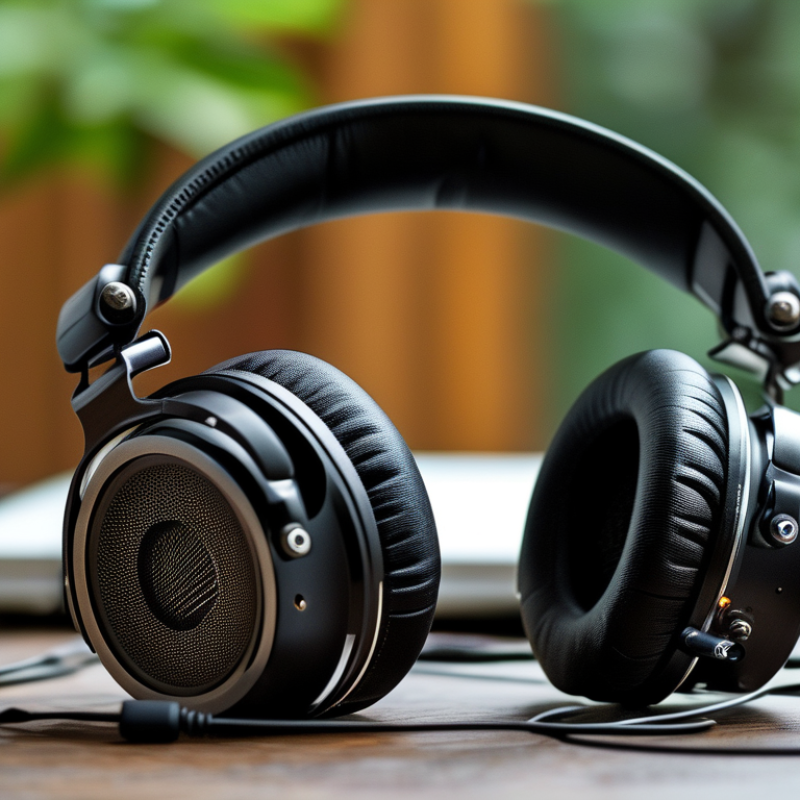
Headphone adapters serve a crucial role in today’s audio landscape. They bridge the gap between various audio devices and headphones, ensuring compatibility. According to a report by Grand View Research, the global audio adapter market is expected to grow significantly, reflecting the increasing demand for versatile audio solutions. As devices evolve, so do the connectors. This drives the need for reliable adapters.
Understanding headphone adapters means knowing their functionality. They convert types of signals, allowing headphones to connect to smartphones, computers, and other devices. Look at the common 3.5mm jack and USB-C connections. Each has distinct uses, making adapters vital for seamless audio experiences. In fact, an estimated 40% of users have faced compatibility issues due to changing technology.
**Tip:** When choosing an adapter, prioritize build quality. Durable materials enhance longevity and performance.
Many users overlook specifications like impedance and frequency response. These factors influence sound quality significantly. For instance, mismatched impedance can cause distortion. It’s not enough to simply buy any adapter; research tailored options for your setup.
**Tip:** Always read user reviews before purchasing. Their insights can guide you towards the best choices.
When exploring headphone adapters, it’s essential to understand the various types available. These adapters may serve different functions, affecting how audio is experienced. For instance, the 3.5mm headphone jack adapter connects standard headphones to newer devices lacking this port. According to industry research, around 70% of consumers still prefer 3.5mm connectors. This statistic highlights the adapter's significance as a bridge between traditional and modern audio technology.
USB-C adapters have gained popularity, especially among smartphone users. These adapters facilitate digital audio connections, boasting high-resolution sound capabilities. However, they can sometimes introduce latency issues, which affects listening experience. A report from the Consumer Technology Association notes that approximately 40% of users experience delays with USB-C audio. This aspect raises questions about whether the convenience of a USB-C connection outweighs potential drawbacks.
Bluetooth adapters are another alternative, offering wireless convenience. Yet, they often compromise audio quality, prompting mixed feedback from audiophiles. Research indicates that 60% of users prioritize sound fidelity. This means that while wireless usability is appealing, it may not satisfy everyone's audio standards. The variety in headphone adapters showcases how user preferences evolve, reflecting the ongoing dialogue between technology and experience.
Headphone adapters play a crucial role in modern audio setups. Understanding their technical specifications can enhance your listening experience. These adapters often feature a simple yet effective design that allows for seamless sound transfer. They convert signals to match different headphone types and device outputs. This conversion is vital for compatibility across various audio sources.
When you plug in an adapter, it harnesses specific impedance and frequency responses. These technical aspects ensure that sound travels clearly from your device to the headphones. Some adapters focus on preserving high frequencies, while others might balance bass. Choosing the right adapter can significantly impact sound quality. The challenge is finding an adapter that meets both your audio preferences and device requirements.
Many users overlook the importance of these details. A poorly matched adapter may lead to distorted audio or diminished sound quality. It can be frustrating to try multiple adapters to achieve the desired sound. Therefore, understanding the specific requirements of your headphones and devices is essential. This knowledge helps in selecting the appropriate adapter that enhances overall audio performance.
| Feature | Description | Technical Specification |
|---|---|---|
| Connector Type | Type of connectors used for input and output. | 3.5mm, USB-C, Lightning |
| Frequency Response | Range of frequencies the adapter can transmit. | 20 Hz - 20 kHz |
| Impedance | Resistance the adapter presents to audio sources. | 16 Ohms |
| Supported Audio Formats | Types of audio format compatible with the adapter. | Stereo, Mono, Surround Sound |
| Power Requirement | Power needed for the adapter to function. | No external power required |
| Durability | Longevity and build quality of the adapter. | High-impact plastic or metal housing |
| Compatibility | Devices that can be used with the adapter. | Smartphones, tablets, laptops |
Headphone adapters play a crucial role in modern audio devices. They bridge the gap between various audio outputs and headphone inputs. This allows for seamless connectivity, whether you are using a smartphone, laptop, or audio mixer. Different devices often come with varying output sizes. A headphone adapter resolves these discrepancies effectively.
Encountering mismatched sizes can be frustrating. Consider using a 3.5mm to 6.35mm adapter for professional audio equipment. This simple solution allows for compatibility with studio headphones. Additionally, certain adapters include built-in features. For example, some adapters can enhance audio quality, providing a better listening experience.
When selecting an adapter, pay attention to the material. A well-built adapter ensures durability and maintains sound quality over time. Check whether the adapter supports microphone functions if you need it for calls.
Tip: Always test your adapter with different devices to ensure compatibility. A simple check can save time and disappointment. Remember that not all adapters are created equal. Some may degrade sound quality, so invest wisely based on your needs.
The audiophile community shows a rising demand for headphone adapters. Enthusiasts often seek better sound quality. Many modern devices lack standard headphone jacks. This shift creates a niche market for high-quality adapters. Audiophiles prioritize audio fidelity in their listening experiences. They often invest time in researching the perfect adapter.
These adapters bridge the gap between devices and headphones. Some may wonder if all adapters deliver the same quality. Unfortunately, not all accessories are designed with audiophiles in mind. The components matter significantly. Poor materials can lead to degradation in sound quality. Devices should enhance the listening experience, not hinder it.
Audiophiles also discuss the right specifications. They prefer adapters that support high-definition audio. Features like impedance matching and low distortion are vital. It’s crucial to understand that even minor differences in design can impact performance. Being aware of these subtleties improves sound clarity and detail. Engaging in forums and discussions can further enrich knowledge. However, users should remain critical of the information they encounter.
: Headphone adapters connect different audio devices and headphones, ensuring compatibility and seamless audio experiences.
Technical specifications, like impedance and frequency response, significantly affect the sound quality and overall audio performance.
Low-quality adapters can lead to distorted audio, diminished sound quality, and frustrating listening experiences.
Focus on build quality, specifications like impedance, and user reviews to ensure a good match for your setup.
Audiophiles seek high-quality sound and often face challenges due to the lack of standard headphone jacks on modern devices.
No, not all adapters are created equal; components and materials greatly influence the quality of sound delivered.
Research alternative adapters that match your headphone specifications and device requirements for improved performance.
Adapters convert signals to match different outputs, allowing sound to travel clearly from the device to the headphones.
While forums are helpful, misinformation can exist; always verify details and apply critical thinking before making decisions.
A headphone adapter is a vital accessory that enhances the compatibility and functionality of audio devices by enabling different types of headphone connections. Understanding the basics of headphone adapters reveals their primary purpose: to bridge the gap between various audio equipment and headphones, ensuring that users can enjoy high-quality sound without compromising on the listening experience.
There are several types of headphone adapters, each catering to specific needs and devices. From simple jack converters to complex audio interface adapters, they facilitate sound transfer through varying technical specifications. The application of headphone adapters has become increasingly prevalent in modern audio devices, catering to the growing demand within the audiophile community. As market trends shift towards versatile and high-performance audio solutions, the headphone adapter continues to play a crucial role in meeting the diverse audio needs of consumers.

ELITE POWER