In 2026, the demand for reliable battery chargers continues to escalate globally. Industry expert Dr. Emily Chen, a leading figure in battery technology, emphasizes, "A good battery charger is essential for maximizing electronic device performance." This assertion highlights the importance of selecting the right charger for various applications.
As buyers explore options, it is crucial to understand the distinct features of battery chargers. Some chargers offer rapid charging, while others focus on safety and energy efficiency. A poor choice can lead to device damage or decreased battery lifespan. Buyers should evaluate brands known for quality and reliability.
The variety of available battery charger options can be overwhelming. Price, compatibility, and advanced features must be considered. Additionally, the rapid evolution in this sector means previous recommendations may not stand the test of time. Engaging with up-to-date resources will enhance decision-making, ensuring the best choice for individual needs.
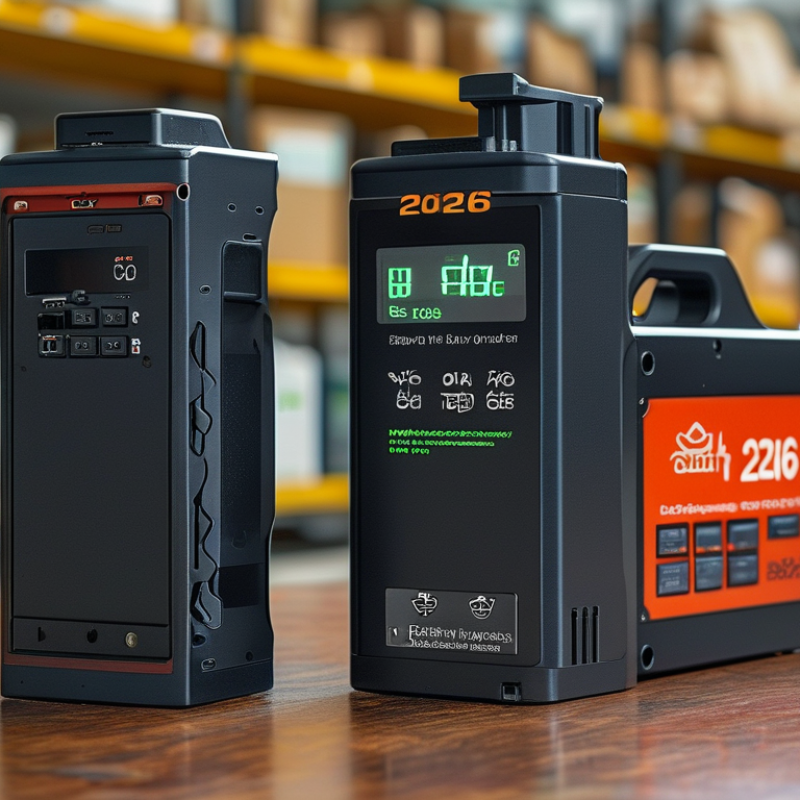
The evolution of battery technology in 2026 is fascinating. New trends are reshaping the market landscape significantly. Improved energy density is a primary focus. Batteries will store more energy while taking up less space. This means lighter and more efficient devices for everyday use.
Additionally, the shift towards sustainable materials is crucial. Biodegradable components are becoming more prominent. This move aims to reduce environmental impact. We must acknowledge both benefits and potential challenges here. Not all sustainable materials perform equally well. Testing will be essential to ensure they meet consumer expectations.
Tips: When selecting a battery charger, consider compatibility with various devices. Look for chargers that offer multiple ports. This versatility can save time and enhance convenience. Pay attention to charging speed as well; faster is often better. However, be cautious. Overheating can be a concern with rapid chargers, which may affect battery longevity over time. Keep this in mind when charging multiple devices at once.
When choosing a battery charger, key features play a crucial role. Look for fast charging technology to save time. Many modern chargers offer this feature, making them highly efficient. Also consider the compatibility with various battery types. Chargers that support multiple battery chemistries expand your options.
Safety features should never be overlooked. Overcharge protection, temperature control, and surge protection are essential. They ensure your batteries remain in good condition. An LED indicator for charging status is also helpful, giving you peace of mind while charging.
**Tips:** Always check the thermal management system. A poor design can lead to overheating. Remember that some chargers may not fit all setups. Understand your specific needs before purchase. Finally, read user reviews for real-world experiences on reliability.
In 2026, consumer preferences for battery chargers are evolving. Many buyers are now prioritizing efficiency and speed. Environmental concerns have also shifted consumer choices toward sustainable options. Factors like charging technology and compatibility are crucial. Users seek out chargers that can work across multiple devices seamlessly.
Tips for choosing the right charger: Look for chargers with smart technology. These chargers adjust power output based on device needs. This ensures faster and safer charging, enhancing battery life. Consider size and portability. Many consumers now travel frequently and prefer compact chargers. However, balancing power and size can be tricky.
Reliability remains a significant concern. Many cheap chargers fail to deliver long-term performance. Users often face frustrations with overheating and durability. It's essential to invest time in research. Reading user reviews can reveal hidden issues. This helps in finding a charger that meets expectations without compromising quality.
As the demand for battery chargers grows, sustainability and eco-friendly designs are becoming essential considerations. According to a recent industry report by Global Market Insights, the eco-friendly charger market is projected to grow at a CAGR of 15% from 2023 to 2028. This growth reflects a shift in consumer preferences towards greener products that minimize environmental impact.
Innovative designs that incorporate renewable materials are gaining traction. These chargers minimize reliance on fossil fuels. For instance, employing biodegradable plastics can significantly reduce waste. Furthermore, integrating solar panels enables chargers to harness clean energy, aligning with sustainable practices.
Tip: Choose chargers certified by recognized environmental standards to reduce your carbon footprint.
The challenge remains in balancing performance with sustainability. Not all eco-friendly materials can match traditional options in durability or efficiency. Manufacturers must invest in research to enhance these characteristics. As the landscape evolves, consumers should stay informed about advancements in technology that allow for both high efficiency and ecological responsibility.
Tip: Always check the lifecycle impact of your charger. Consider options that offer repairability or recycling programs.
As battery technology evolves, understanding pricing trends is crucial for buyers in 2026. The market is saturated with options, making it vital to recognize which products provide value. The analysis of leading brands shows a significant variation in pricing. Brands focusing on higher efficiency often command premium prices but might offer better longevity and performance.
Consumer preferences shift frequently, impacting brand market shares. Reliability becomes a key factor in the purchasing decision. Many users default to popular brands, but exploring lesser-known options might yield surprising results. These alternatives sometimes offer comparable features at a lower price point.
Tips: Always check customer reviews to gauge reliability. Compare specifications to ensure you get value for your money. A little research goes a long way in finding the best option tailored to your needs. An informed choice could lead to significant savings and enhanced performance.
: Efficiency, speed, and environmental concerns are key factors shaping consumer choices.
Smart technology adjusts power output, ensuring faster charging and better battery life for devices.
Many consumers prefer compact chargers for travel, balancing portability with power can be challenging.
Cheap chargers may overheat and lack durability, which leads to reliability concerns for users.
Research and read user reviews to uncover potential issues. This helps in making a better choice.
There is a growing shift towards using renewable materials and reducing environmental impact in designs.
Options that support repairability or recycling can help minimize waste and encourage sustainability.
Sustainable materials may struggle to match the durability and efficiency of traditional options.
The market is projected to grow at a 15% CAGR from 2023 to 2028, driven by consumer preference shifts.
Choose chargers that are certified by recognized environmental standards to ensure lower carbon footprints.
As the demand for efficient energy solutions grows, the battery charger market is set to evolve significantly by 2026. Key trends in battery technology, such as advancements in fast charging and increased battery life, will play a crucial role in shaping the choices consumers make. When selecting a battery charger, buyers should consider essential features like charging speed, compatibility with various battery types, and safety mechanisms that ensure efficient use without compromising device integrity.
In addition, sustainability is becoming a central focus, with eco-friendly designs gaining popularity among consumers. The analysis of global preferences indicates a shift towards chargers that not only perform well but also adhere to environmental standards. Pricing trends suggest a competitive market where affordability aligns with quality, providing a range of options for diverse consumer needs in the battery charger landscape of 2026.

ELITE POWER