In today's fast-paced world, a high-quality sound experience in your car is essential. The right Car Aux Adapter can make all the difference. Whether you're driving to work or embarking on a road trip, enjoying your favorite music or podcasts enhances the journey. Yet, not all adapters deliver the sound quality you deserve.
Many people overlook the importance of a good Car Aux Adapter. They often settle for cheap options, which might work but rarely sound good. Investing in a high-quality adapter ensures clear audio and minimizes static. You deserve an enjoyable listening experience without annoying interruptions.
Choosing the right Car Aux Adapter involves exploring features like compatibility and sound quality. Some adapters offer additional functions, enhancing usability. However, with numerous options available, finding the perfect one requires careful consideration. Take your time to review your choices. Your decision can significantly impact your daily drives.
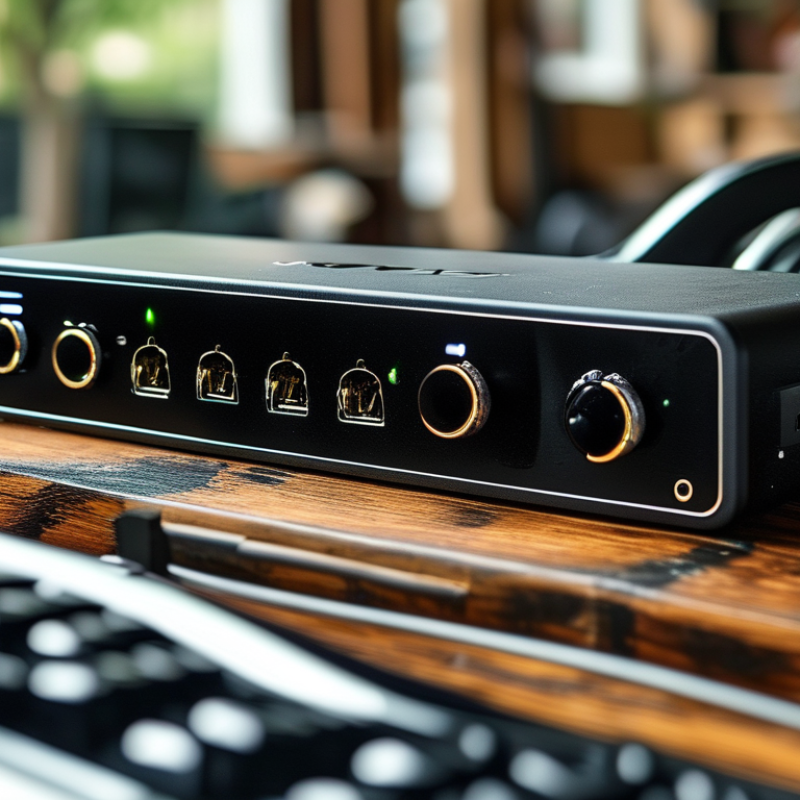
Understanding car aux adapters is essential for anyone looking to enhance their audio experience while driving. These devices bridge the gap between your audio source and car stereo. They come in various forms, including wired and wireless options. Selecting the right adapter can significantly influence sound quality.
When choosing an aux adapter, compatibility is vital. Not all adapters work with every device. Check your audio source’s output before purchasing. This can save time and frustration. Some adapters offer additional features like built-in microphones for hands-free calls, which can be a nice touch.
**Tip**: Always read reviews to gauge the sound quality and build of the adapter. Many drivers overlook these crucial details. Investing in a high-quality adapter makes a difference you’ll appreciate on long drives.
Another important aspect is cabling. Low-quality cables can reduce sound clarity. Look for adapters that include high-quality, durable cables. Fragile cables may lead to audio drop-outs during use.
**Tip**: If you experience sound distortions, revisit your connection points. Unplugging and plugging back in can sometimes rectify minor issues. Regularly inspect your equipment for any signs of wear. This can prevent delays during your journey.
Car aux adapters are essential for enhancing the auditory experience in vehicles. There are several types of adapters, each serving distinct requirements. Wired adapters often deliver superior sound quality. They provide direct connections and minimize signal loss. Wireless options, such as Bluetooth adapters, offer convenience but can sometimes compromise audio fidelity.
The market for car aux adapters is growing, with a projected CAGR of 5.2% from 2023 to 2030. This growth reflects the increasing demand for high-quality audio solutions in vehicles. Many consumers prefer to upgrade their audio systems instead of purchasing new cars, further driving this trend. An adapter can transform an old stereo system into a modern audio hub.
When choosing an adapter, consider compatibility with your devices. Not all adapters work well with every smartphone or media player. Check specifications beforehand. Also, while wireless adapters are easy to use, they may introduce latency in sound.
Tips: Always test the audio quality before purchasing. Listen for clarity and depth. Regularly inspect cables for wear. Poor connections can degrade sound quality over time. Investing in a high-quality adapter can significantly enhance your listening experience.
When selecting high-quality car aux adapters, two critical features stand out: frequency response and bitrate. A well-balanced frequency response ensures you capture the full range of sound, from deep bass to crisp treble. Research indicates that a frequency response of 20 Hz to 20 kHz, which matches human hearing capabilities, is ideal. This range allows you to appreciate the subtle details in music, enhancing your auditory experience during drives.
Bitrate also plays a pivotal role in sound quality. Higher bitrates often lead to improved audio fidelity. For example, a bitrate of 320 kbps is typically recommended for optimal sound clarity. Reports show that listening to music with lower bitrates (like 128 kbps) can result in noticeable compression and loss of quality. While many may not notice these differences, audiophiles assert that bitrate impacts the overall enjoyment of music.
While many adapters claim high-quality output, user reviews often reveal inconsistencies. Some models promise excellent frequency response but fall short in real-world performance. This discrepancy highlights the importance of not only examining specifications but also verifying users’ experiences. By focusing on these essential features, you can improve your in-car audio experience significantly.
When it comes to enhancing your car's audio experience, aux adapters are essential. Their performance can greatly affect sound quality. Many users report significant differences in clarity and volume across various models. Some adapters excel in offering crisp sound, while others may produce distortion at higher volumes. User reviews often highlight these differences, providing insight into the reliability of each product.
Several top-rated aux adapters receive praise for their durability and ease of use. However, some users have encountered challenges, such as compatibility issues with certain devices. This inconsistency can lead to frustration, especially for those seeking a seamless connection. Reading through user experiences helps identify the best options.
It's important to note that while many adapters perform well, not all meet high expectations. Users sometimes find that certain features advertised may not work as intended. It’s crucial to read detailed reviews and feedback. This careful consideration can lead you to an aux adapter that genuinely enhances your sound experience without unexpected complications.
| Adapter Model | Sound Quality Rating | Durability Rating | Ease of Use Rating | User Reviews |
|---|---|---|---|---|
| Model A | 9.2/10 | 8.5/10 | 9.0/10 | Highly recommended for its clarity. |
| Model B | 8.8/10 | 9.0/10 | 8.5/10 | Great build quality, but slightly bulky. |
| Model C | 9.5/10 | 9.5/10 | 9.8/10 | Exceptional sound quality. |
| Model D | 8.7/10 | 8.2/10 | 8.0/10 | Good for casual listening. |
| Model E | 9.0/10 | 9.0/10 | 9.5/10 | Highly user-friendly interface. |
| Model F | 8.6/10 | 8.7/10 | 8.4/10 | Decent options for the price. |
| Model G | 9.3/10 | 9.1/10 | 9.2/10 | Very good clarity with minimum distortion. |
| Model H | 8.9/10 | 8.4/10 | 8.0/10 | A bit complicated to set up. |
| Model I | 9.1/10 | 9.2/10 | 9.1/10 | Compact and easy to carry around. |
| Model J | 8.5/10 | 8.8/10 | 8.2/10 | Basic functionality with average performance. |
Installing a car aux adapter can significantly improve your audio experience. However, the process can sometimes be tricky. Start by ensuring your vehicle’s audio system is compatible with the adapter. Read the user manual carefully; ignoring this step can lead to frustration later. Once you begin installation, find a clean area to work. Dust or debris can interfere with connections.
Next, ensure that you handle connections carefully. Firmly attach the aux adapter to the audio input. Loose connections may lead to poor sound quality. If you experience buzzing or static, check the cable for damage. Sometimes, repositioning the cable can resolve these issues. It’s also important to keep the surroundings tidy. A cluttered space can distract you from proper installation.
If you encounter problems post-installation, don't panic. Double-check all connections and settings. Some vehicles may require a reset of the audio system. This minor adjustment can sometimes restore optimal sound quality. Reflect on your previous experiences; learning from mistakes can enhance future installations. Patience is key in the process. Embrace the learning curve, and soon you'll enjoy high-quality sound while driving.
: Car aux adapters connect your audio source to the car stereo. They enhance your audio experience while driving.
Check compatibility with your devices first. Not all adapters work with every smartphone or media player.
Wired adapters usually provide superior sound quality. Wireless options can compromise audio fidelity due to signal interference.
Choose adapters with high-quality, durable cables. Low-quality cables can reduce sound clarity and reliability.
Try unplugging and re-plugging your connections. This simple action can fix minor issues quickly.
Yes, reviews offer insight into sound quality and build. Many people neglect this step and regret it later.
Regular inspections for wear can prevent audio drop-outs. This helps maintain a smooth listening experience.
Latency can disrupt sync between audio and video. Test the adapter to ensure it meets your needs.
Absolutely, a good adapter greatly enhances your audio experience, especially on long drives.
The market is expected to grow at a CAGR of 5.2% from 2023 to 2030 due to increasing demand for audio solutions.
In the realm of automotive audio enhancement, understanding Car Aux Adapters is essential for achieving superior sound quality. This article explores various types of Car Aux Adapters, providing a comprehensive overview that helps users choose the right one for their needs. Key features such as frequency response and bitrate are crucial for high-quality audio experiences, allowing drivers to fully appreciate their music while on the road.
The top 10 Car Aux Adapters are evaluated based on performance ratings and user reviews, ensuring that consumers have access to reliable and effective options. Additionally, the article offers installation tips and troubleshooting advice, enabling users to optimize their audio experience effortlessly. With the right Car Aux Adapter, you can transform your vehicle's sound system and enjoy crystal-clear audio during your travels.

ELITE POWER