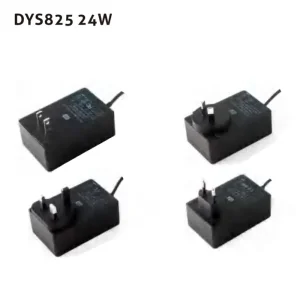
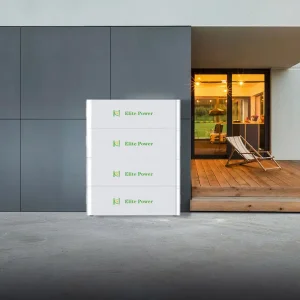
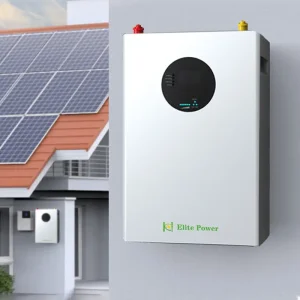
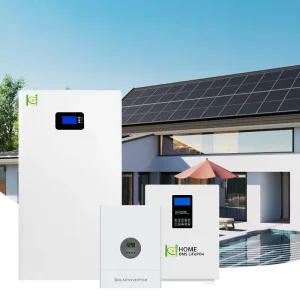
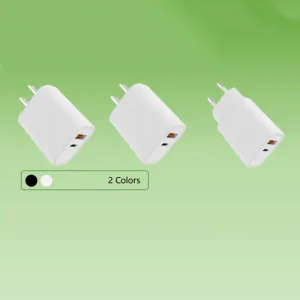
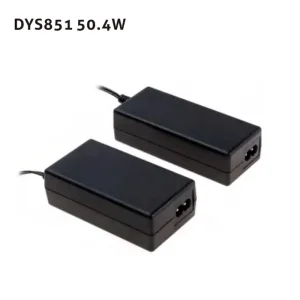
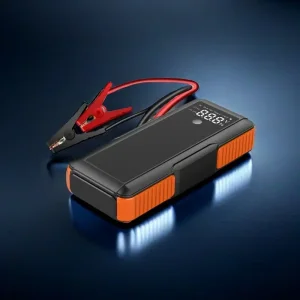
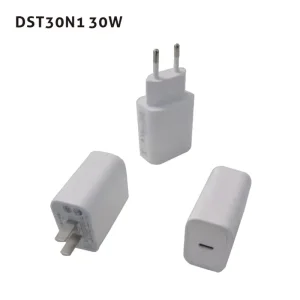
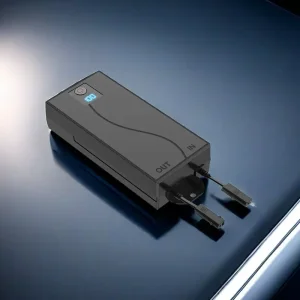
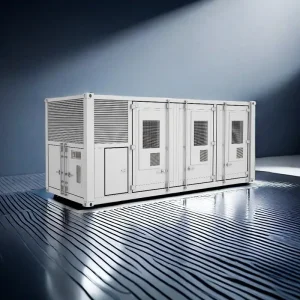
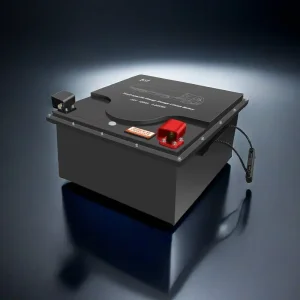
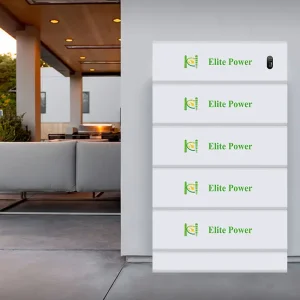
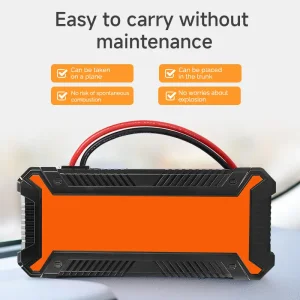
Discover our primary lineup of medical power solutions and custom renewable energy storage units.
In the modern visual data processing ecosystem, high-speed interface transformation acts as the fundamental nervous system of corporate hardware stacks. A Display Port HDMI Adapter is no longer just a passive accessory; it represents a key bridge between high-bandwidth data-heavy graphics outputs and globally deployed consumer/industrial HDMI visual terminal systems. As a leading manufacturer, our factory specializes in engineering high-fidelity adapters, integrating robust thermal layouts and advanced signal-processing chipsets to deliver high-bandwidth throughput with near-zero latency. This whitepaper analyzes the market's technical trajectory, local deployment modes, manufacturing compliance frameworks, and key performance matrices.
The global demand for high-performance DisplayPort-to-HDMI transition hardware is scaling rapidly across major commercial, medical, industrial, and workspace environments. This growth is driven by several key factors:
For procurement directors and hardware engineers, choosing between passive and active converter topologies is critical for system stability. Our factory produces both configurations to meet specific project demands.
Active DisplayPort to HDMI adapters feature an integrated chipset (like Parade or Realtek converters) that actively converts the DP signal stream into an HDMI TMDS signal. This is required for systems that do not support DP++ (Dual-Mode DisplayPort), or when deploying AMD Eyefinity/NVIDIA Surround setups across multiple monitors.
Passive adapters rely on a DP++ source device to detect the connection and automatically output the corresponding HDMI signal. This is a cost-effective solution for single-display setups where the host device handles the processing natively.
Our current generation high-speed adapter portfolio is engineered to support the latest specifications, ensuring compatibility with evolving display standards:
As the visual industry transitions toward higher refresh rates and wider color spaces, our engineering team is focusing on several key technical roadmaps:
1. Signal Integrity & EMI Minimization: Advanced PCB layouts with strict 100-ohm impedance matching to suppress crosstalk, using multi-layer gold plating to minimize signal attenuation over extended runs.
2. DSC 1.2a Integration: Supporting Display Stream Compression (DSC) allows systems to transmit visually lossless video streams across narrower physical bands, enabling higher resolution display options.
3. Advanced Power Delivery: Developing hybrid adapters that can handle display conversion while simultaneously routing USB Power Delivery (PD) back to host devices, streamlining cabling setups.
Our advanced production facility uses automated assembly and multi-stage testing equipment to ensure high reliability. Every batch of adapters undergoes a strict validation process before shipping:
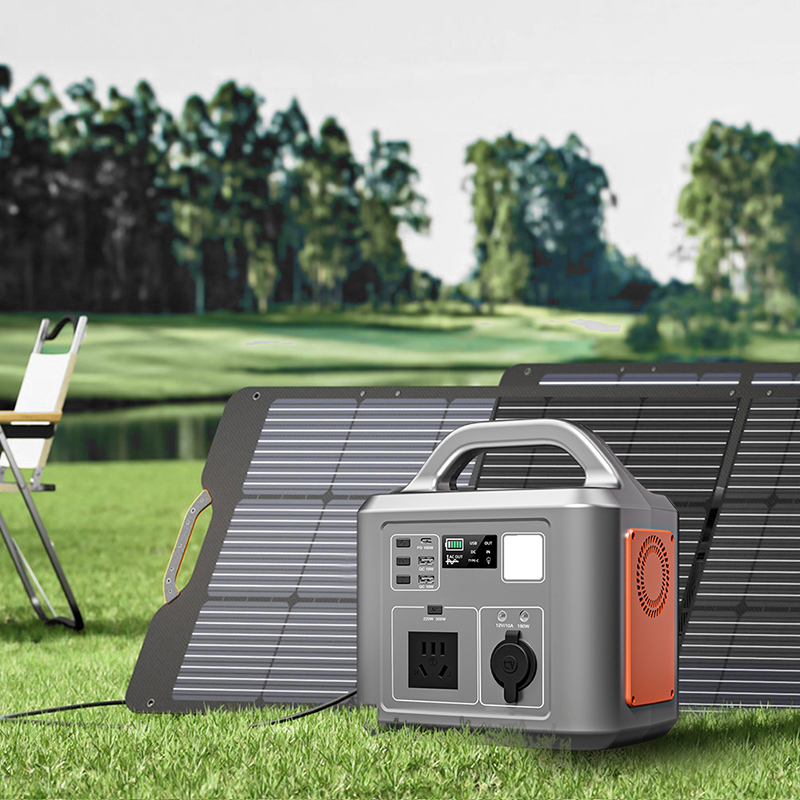
ELITE POWER, It is a subsidiary of GRACE DEVELOPERS CO., LIMITED. We have branches in Hong Kong, Shenzhen and Dongguan, China. As a new energy production enterprise integrating scientific research, design, manufacturing and sales, we focus on intelligent green new energy storage solutions. Our products include household energy storage systems, industrial and commercial energy storage cabinets, energy storage containers, super capacitor jump starters, portable power stations, truck lithium batteries, furniture batteries, and so on.
We have obtained ISO:9001:2015 and ISO14001:2015 quality management system and environmental management system certifications. In 2022, we have signed a strategic cooperation agreement with USA partners: to comprehensively develop the optical storage and charging system market in the US market, and to supply products such as home energy storage system, industrial and commercial energy storage, and at the same time, in heavy truck parking batteries, In-depth cooperation in emergency activation and other fields.

We operate with honesty and transparency in all our business dealings.

We are committed to pushing the boundaries of renewable energy technology to create a greener future.

We strive for everything we do from product development to customer service.

We believe that teamwork and partnership are most important for partners.
Discover our portable power stations, industrial storage units, and universal charging platforms.
 ELITE POWER