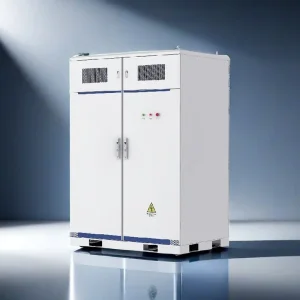
High-performance energy storage architectures, custom power supplies, and state-of-the-art vehicle starting systems engineered for commercial reliability.
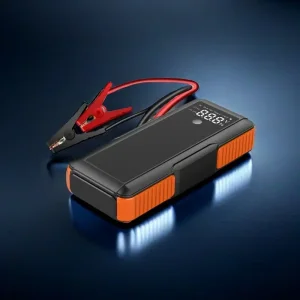
Underpinned by modern research labs, strict ISO certifications, and strong international partnerships.
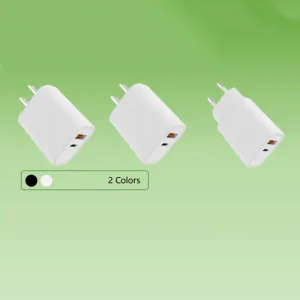
In the contemporary B2B automotive electronics ecosystem, the ubiquitous USB cigarette lighter adapter (commonly called an in-vehicle car charger) has transformed from a simple commodity consumer accessory into a highly critical link in commercial transport, fleet telematics, and portable industrial power management. Businesses sourcing custom accessories must navigate complex requirements surrounding voltage spikes, safety parameters, long-term thermals, and global regulatory standards.
B2B Sourcing Insight: Enterprise vehicle fleets, consumer electronic distributors, and telecom utility providers require customized car adapters capable of converting variable 12V-24V vehicle direct current (DC) into highly stable USB Power Delivery (PD) outputs. Inferior hardware results in diagnostic interface disruptions, premature wear on connected industrial devices, and potential safety risks in hot cabin environments.
The standard vehicle auxiliary socket, historically designed to heat resistive coil cigarette lighters, operates on a crude electrical circuit subject to extreme noise, load dumps, and electrical transients. Today, these sockets must power high-wattage smartphones, tablets, rugged logistics laptops, and specialized telematics equipment. This paradigm shift has accelerated the integration of cutting-edge tech inside the compact cigarette lighter chassis:
The chief failure point of generic car chargers is thermal buildup. The auxiliary socket is typically located in insulated consoles or dashboards with minimal passive airflow. Elite engineering factories utilize specialized thermal management strategies:
Our custom layouts utilize heavy 2oz copper PCBs to spread thermal loads, high-grade flame-retardant polycarbonate (UL94-V0) casings, and custom internal aluminum heat-spreaders. Smart MCU-monitored sensors dynamically drop power output if ambient temperature thresholds are crossed.
Before initiating a custom tooling or private label production run, engineering teams must evaluate key electrical and mechanical standards. The table below represents our factory baseline specs for B2B production lines:
| Parameter | Standard Spec | Premium Industrial Option |
|---|---|---|
| Input Voltage Range | DC 12V - 24V (Range: 9V-30V) | DC 9V - 36V Wide Input (Supports Commercial EVs) |
| Total Output Wattage | 30W - 48W Dual Port | 65W - 120W Multi-Port GaN Configured |
| USB-C Protocol | PD 3.0 / QC 3.0 / PPS | PD 3.1 (EPR up to 28V) / QC 5.0 |
| Protection Framework | OVP, OCP, OTP, Short Circuit | Plus ISO 7637-2 Surge & Transient Protection |
| Housing Material | Flame Retardant ABS+PC (UL94-V0) | Anodized Aluminum Alloy + Premium Carbon Fiber Accent |
Distributing vehicle chargers in major markets demands comprehensive, audit-ready compliance dossiers. Elite Power provides complete certification support. Sourcing from our certified facilities ensures your product meets all criteria:
As smart dashcams and IoT fleet tracking modules become standard, USB cigarette lighter adapters are transitioning to active smart nodes. Future iterations will sport basic Bluetooth/Wi-Fi modules for telemetry, voltage diagnostic broadcasting, and location tracking, integrating vehicle health monitoring directly with mobile software packages.
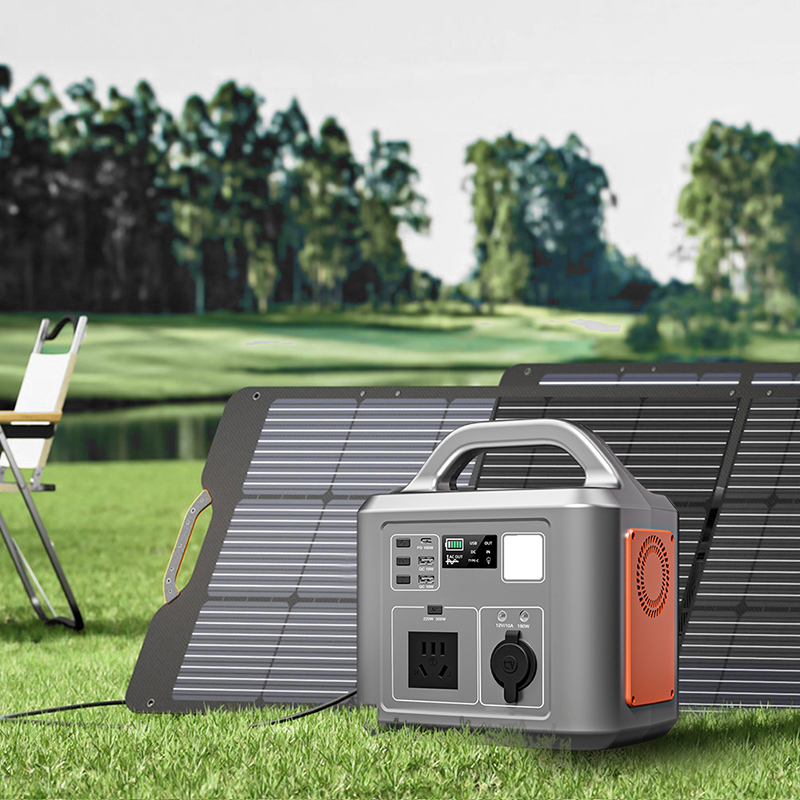
ELITE POWER is a proud subsidiary of GRACE DEVELOPERS CO., LIMITED. With strategic hubs located in Hong Kong, Shenzhen, and Dongguan, China, we operate as a new energy production enterprise integrating scientific research, design, manufacturing, and sales. We focus intensely on intelligent green new energy storage solutions and advanced mobile power conversions.
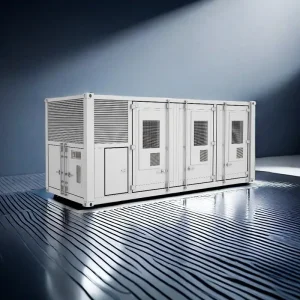
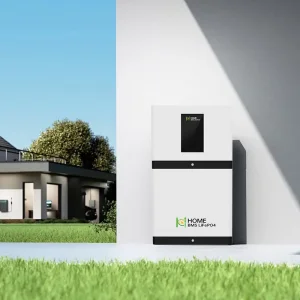
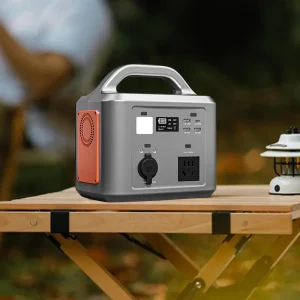
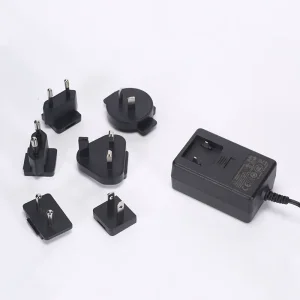
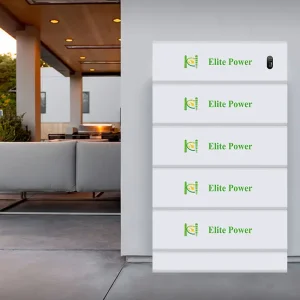
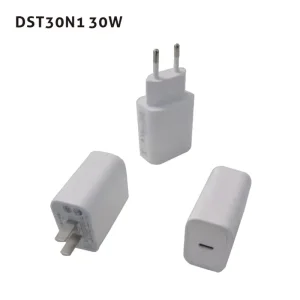
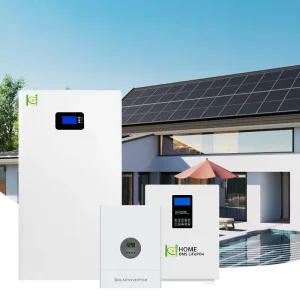
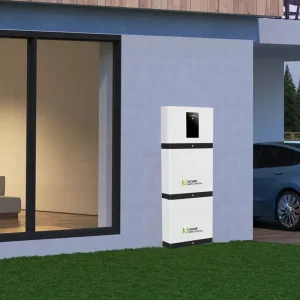
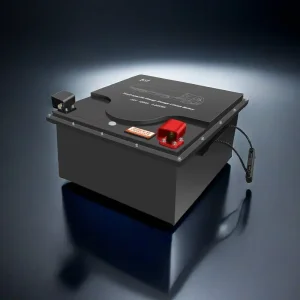
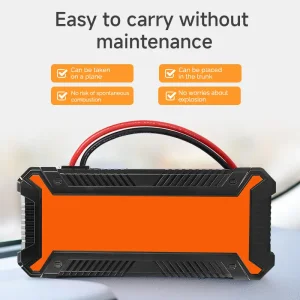
Our expansive product portfolio spans household energy storage systems, industrial and commercial energy storage cabinets, energy storage containers, super capacitor jump starters, portable power stations, truck lithium batteries, furniture batteries, and high-performance charging accessories. Our technical capabilities enable us to assist global B2B clients from initial schematic drafts through final tooling and mass production.
We operate under a complete ISO 9001:2015 and ISO 14001:2015 quality management and environmental system framework. In 2022, we finalized a strategic cooperation agreement with North American partners to extensively develop optical storage and charging platforms, commercial energy storage, heavy truck auxiliary power, and emergency starting technologies.

We operate with complete honesty, structural transparency, and strict adherence to specifications in all corporate partnerships.

We commit to pushing technical limits, utilizing GaN power chips, advanced topologies, and smart heat-dissipation techniques.

Our engineering, QC, and service teams work relentlessly from initial design validation to final logistic dispatch.

We structure long-term distributor agreements, ensuring strong price advantages and sustainable cooperative growth.
Our circuit architectures include built-in Transient Voltage Suppression (TVS) diodes and specialized Over-Voltage Protection (OVP) ICs. These components instantly clamp high-voltage spikes (often reaching 80V+ during load dumps or alternator transients) to protect both the adapter's internal conversion circuits and the user's connected devices.
We provide full customization, including outer casing design (aluminum alloy, ABS/PC plastics), custom PCB layouts, dual or single port options (USB-C & USB-A), targeted fast-charging profiles (e.g. customized PPS settings for specific commercial devices), private labeling/laser engraving, and custom B2B packaging designs.
Yes, all of our standard adapter designs feature wide-range input buck-boost or buck converter topologies rated for continuous 9V-32V DC operation. This ensures seamless and stable power performance in standard 12V passenger cars, light commercial vans, and heavy-duty 24V logistics transport trucks.
For standard designs with customized branding, production takes approximately 3-4 weeks. For fully custom tooling (involving new housing molds and custom PCB designs), the timeline ranges from 8 to 12 weeks, including CAD approvals, 3D prototype printing, pilot test runs, and final regulatory certification acquisition.
Explore our robust power grid, medical backup systems, and commercial battery solutions designed for global infrastructure compliance.
 ELITE POWER