Analyzing the macro transition of power transmission standards and B2B deployment vectors.
In modern consumer electronics and high-capacity industrial power systems, the USB Type-C (USB-C) specification has moved from a premium peripheral feature to an internationally mandated infrastructure standard. Propelled by global regulatory transformations, such as the European Union’s common charger mandate, and the technical necessity of supporting high-frequency data alongside substantial power pathways, enterprise supply chains are aggressively phasing out legacy connections.
As a leading supplier, our factory operations in Dongguan and Shenzhen align directly with these shifting market metrics. The convergence of power delivery mechanisms requires C-type fast charging cables to manage currents up to 5A at 48V (240W Extended Power Range), calling for structural engineering precision that goes far beyond standard off-the-shelf consumer wiring.
Industrial bulk buying of C-type charging infrastructure requires careful validation of E-Marker chips, wire diameter gauges, shielding designs, and insulation compounds (TPE, liquid silicone, or double-weave nylon).
How our factories guarantee electrical performance, thermal dissipation, and physical longevity.
For power transmission exceeding 60W (3A at 20V), an embedded Electronically Marked Cable Assembly (EMCA) controller chip is mandatory under USB-IF guidelines. The E-Marker chip acts as an active electronic identity card, communicating with source and sink systems to establish safe maximum current limits. Our automated manufacturing line integrates E-Marker ICs directly onto the PCB inside the plug terminal, ensuring zero voltage sag during PD negotiated charging protocols.
High-wattage cables require lower resistance pathways to prevent critical heat generation. We configure our standard industrial lines with 22 AWG to 20 AWG pure tinned copper for power conductors, paired with 28 AWG to 32 AWG twisted pairs for data signals. This configuration optimizes mechanical flexibility while maintaining minimal voltage drop over extended runs of up to 3 meters.
To prevent EMI (Electromagnetic Interference) and cross-talk, our factory implements a triple-layer shielding topology: conductive aluminum foil, high-density braided tinned copper mesh, and internal Kevlar reinforcement threads. Additionally, our injection-molded strain relief boots (SR) are subjected to strict simulated swing tests of over 50,000 bend cycles at a ±90° angle, protecting the delicate solder joints from stress fractures.
| Material Class | Tensile Strength | Thermal Range | Best Use Cases | Relative Cost Factor |
|---|---|---|---|---|
| High-Elasticity TPE (Thermoplastic Elastomer) | 12 - 15 MPa | -30°C to +80°C | Standard consumer OEM chargers, high volume production | Baseline (Standard) |
| Double-Braided Ballistic Nylon | 25 - 35 MPa | -40°C to +105°C | Industrial environments, heavy-duty B2B consumer retail | Moderate (+15%) |
| Liquid Medical-Grade Silicone | 8 - 10 MPa | -50°C to +200°C | Medical equipment, high-end laboratory instrumentation | High (+45%) |
| Halogen-Free Pur/TPU (Polyurethane) | 35 - 50 MPa | -40°C to +120°C | Heavy commercial transport, oil & gas site deployment | Premium (+60%) |
Tailoring design configurations to meet the operational demands of diverse industries.
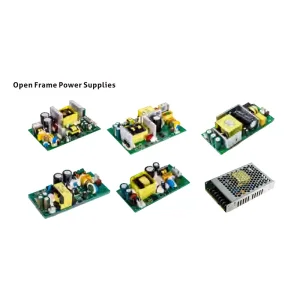
Standard charging cables are designed for general consumer settings, but industrial clients need specialized modifications. For example, our Medical Power Supplies require low-leakage, biocompatible silicone jacketed cables that can withstand harsh chemical sterilization.
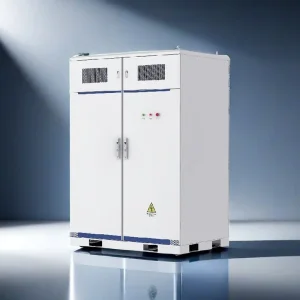
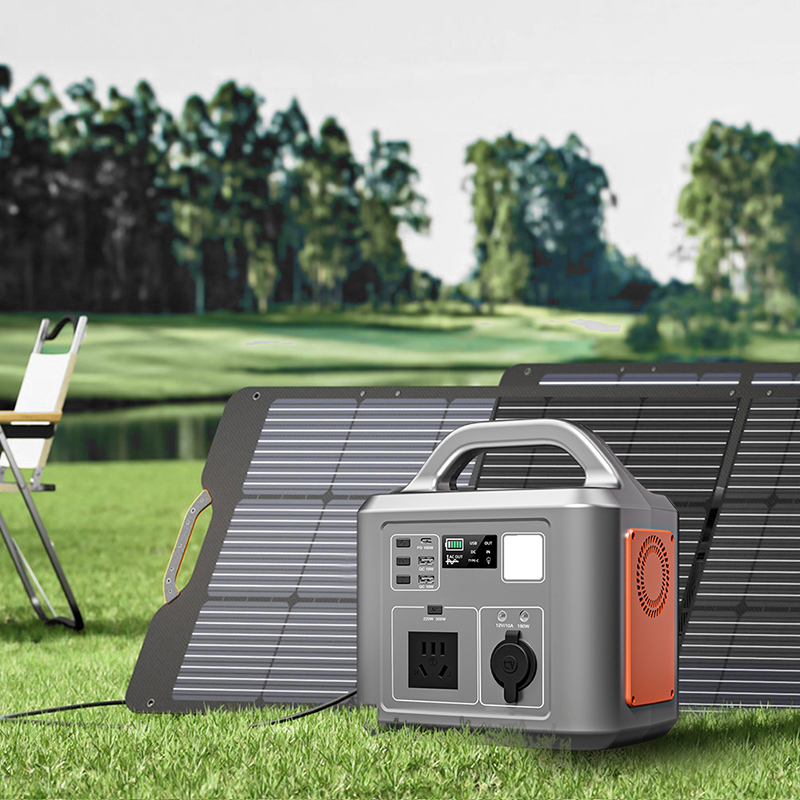
Similarly, in the Commercial Energy Storage and automotive sectors, charging cables connect directly to complex control panels, handling constant vibrations, wide temperature ranges, and electromagnetic noise.
Preparing B2B hardware ecosystems for next-generation charging standards and high-speed data transmission.
Expanding current outputs to 240W (48V/5A) allows designers to replace large barrel-jack connectors on laptops, power tools, and high-draw industrial systems with a single standardized USB-C interface.
Combining high-current charging with 40Gbps and 80Gbps (USB4 2.0) data transfers. This requires high-frequency coaxial internal layouts to maintain signal integrity over longer cables.
Adopting biodegradable PCR (Post-Consumer Recycled) plastics and bio-based TPE. Integrating smart indicator screens and real-time resistance monitoring chips directly into the cable connector.
A Subsidiary of Grace Developers Co., Limited. Pioneers in Advanced Charging Technology and Smart Energy Storage Solutions.
ELITE POWER operates as an integrated energy production enterprise combining scientific research, structural design, manufacturing, and international sales. With branches in Hong Kong, Shenzhen, and Dongguan, China, we are strategically positioned to source high-grade raw materials and utilize advanced production machinery.
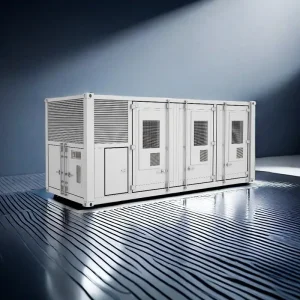
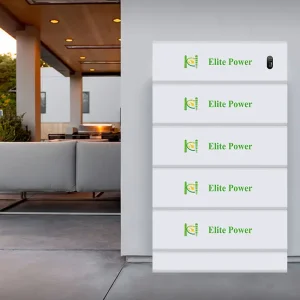
Our comprehensive product portfolio includes intelligent energy storage solutions, industrial cabinets, medical-grade power supplies, and high-specification charging interfaces. Our factories hold ISO9001:2015 and ISO14001:2015 quality and environmental management certifications.
In 2022, we entered into strategic partnerships with US and EU charging distributors. This allows us to align our production lines directly with Western standards and safety directives (UL, CE, FCC, RoHS). When you choose ELITE POWER, you gain a partner dedicated to strict quality control, reliable timelines, and transparent pricing.
 Faith
Faith
 Innovation
 Effort
 Win-Win
Addressing common engineering, logistics, and quality assurance questions for wholesale B2B buyers.
Under the USB Power Delivery (PD) specification, any cable carrying more than 3A of current (above 60W at 20V) must integrate an Electronically Marked Cable Assembly (EMCA) controller, commonly called an E-Marker chip. This chip negotiates safety protocols between the power source and the receiving device. Without a verified E-Marker, the system defaults to a safe 3A limit, restricting the charging rate to 60W. This limitation prevents high-power laptops, energy hubs, and industrial stations from utilizing their full charging potential. As an ISO-certified factory, our production processes inspect and program every E-Marker IC to ensure complete compliance and safety.
Our baseline MOQ for custom OEM production (involving custom colors, customized strain reliefs, logo printing, or custom packaging) is typically 3,000 units. For completely custom electronic architectures (such as specialized wire configurations or medical-grade silicone jackets), the MOQ may adjust based on raw material availability. Lead times generally range from 18 to 25 business days following sample approval and laboratory testing. We offer express options for repeat orders under long-term contract agreements.
American Wire Gauge (AWG) measures the thickness of the internal copper conductors. A smaller AWG number indicates a thicker wire with less electrical resistance. For 100W–240W power transmission, we recommend using 20 AWG or 21 AWG copper wiring. Cheaper consumer cables often use thinner 24 AWG or 26 AWG wires, which can overheat under high currents and cause safety hazards. While using thicker copper increases the raw material cost, it ensures minimal voltage drop and prevents overheating, which is essential for industrial-grade applications.
Our quality assurance program is built on four distinct stages: 1. Incoming Quality Control (IQC) tests raw copper purity, TPE compounds, and E-Marker chips. 2. In-Process Quality Control (IPQC) monitors automatic wire stripping and precision welding. 3. Final Quality Control (FQC) uses custom testing jigs to check every cable for pin continuity, internal resistance, and PD protocol negotiation. 4. Outgoing Quality Control (OQC) conducts stress tests, including salt spray testing and 50,000-cycle bend tests, to ensure the shipment meets all performance standards.
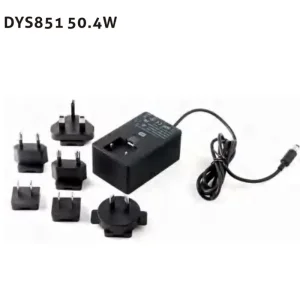
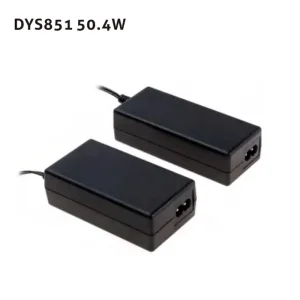
Yes. We specialize in developing custom assemblies that integrate directly with high-performance power configurations, including our 50.4W Medical Power Supply lines. These medical-grade variants feature high-dielectric strength jackets, low-leakage insulation, and custom terminal options to ensure safe and stable operation in critical healthcare environments.
Yes, all manufacturing facilities operate in strict compliance with RoHS (Restriction of Hazardous Substances) and REACH regulations. We source halogen-free materials and lead-free solders to protect the environment and meet the strict import requirements of the European Union, North America, and other global markets. Test reports and certificates of compliance are provided with every wholesale shipment.
 ELITE POWER