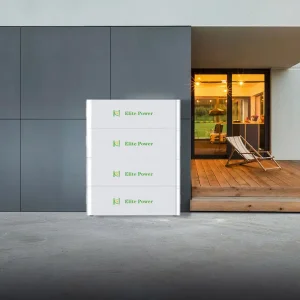
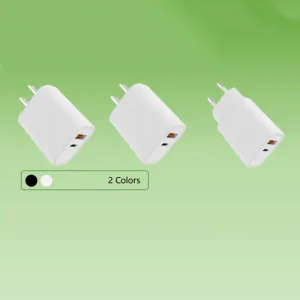
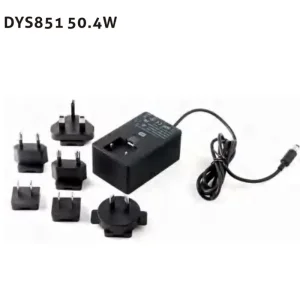
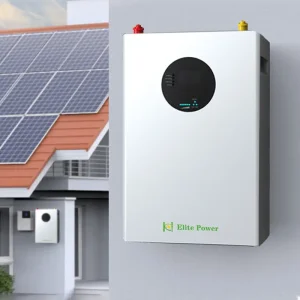
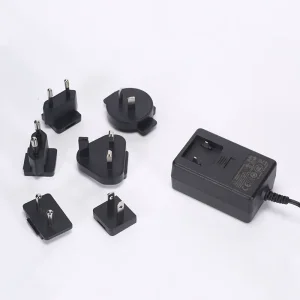
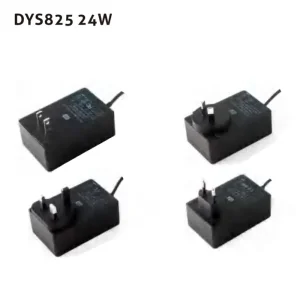
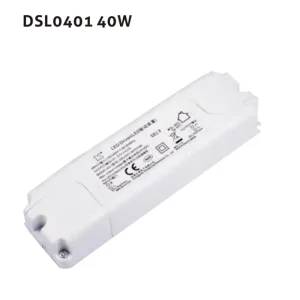
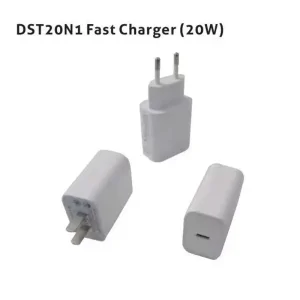
Explore our elite range of power supplies, home battery systems, and charging hardware engineered for international safety and high performance.
Despite the rapid adoption of USB Type-C in consumer electronics, the Micro USB connector remains a robust, vital standard across countless commercial, industrial, and legacy institutional architectures. From Smart Home IoT hubs, medical sensor housings, and POS terminals to industrial metering and portable battery bank integrations, the requirement for high-durability, cost-efficient micro-USB power and data delivery is stronger than ever.
When managing high-volume procurement, B2B purchasing agents, systems integrators, and engineering directors face key decisions beyond mere per-unit cost. The performance of a Micro USB interface directly dictates the operational efficiency and lifespan of the host hardware. A sub-standard cable causes extreme voltage drop, compromises system charging cycles, fails under high mechanical shear, and risks electrical fires. Therefore, partner factories must offer precision-engineered parameters, including high-purity copper core options, structural shielding ratings, and customized strain relief solutions.
"Procurement managers must transition from component-level sourcing to strategic lifecycle sourcing. A Micro USB cable is not a generic commodity—it is the physical power link that defines system reliability."
Achieving optimum charging speeds and stable data rates through a Micro-B footprint requires deep material science expertise. Factories specializing in advanced micro-USB development focus heavily on the following design matrices:
High-performance systems mandate Oxygen-Free Pure Copper (OFC) cores. Lower-tier manufacturers often utilize Copper-Clad Aluminum (CCA), which suffers from high internal resistance, generates excessive heat under 2.4A loads, and has low mechanical tensile strength. OFC cores ensure low electrical resistance, enabling maximum current throughput while maintaining safe temperature profiles even during extended high-amperage charging.
Industrial deployment environments are rife with electromagnetic interference (EMI) and radio frequency interference (RFI). An unshielded charging cable acts as an antenna, injecting electrical noise into the device circuitry. Leading Micro USB manufacturers deploy a multi-layered shielding topology:
The Micro-B connector is inherently asymmetrical, making it susceptible to damage from misoriented insertions. A top-tier manufacturing line utilizes precision-stamped steel shells with gold-plated pins (typically 3u" to 50u" thickness depending on lifecycle requirements). This prevents surface oxidation and reduces contact resistance. Additionally, double-shot injection molding anchors the connector pins to the internal circuit board, preventing the connector head from snapping off under heavy bending strain.
ELITE POWER is a proud subsidiary of GRACE DEVELOPERS CO., LIMITED. With key regional branches in Hong Kong, Shenzhen, and Dongguan, China, we operate as a premier new energy and electronic systems manufacturer. Our operations integrate advanced scientific research, custom industrial design, precision manufacturing, and international B2B sales.
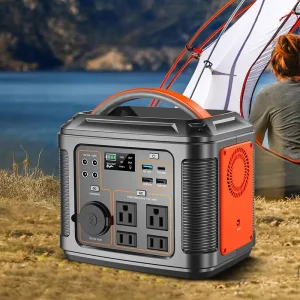
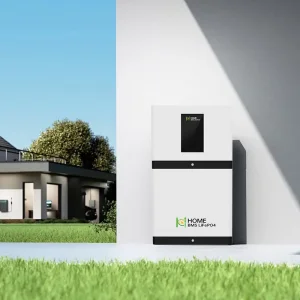
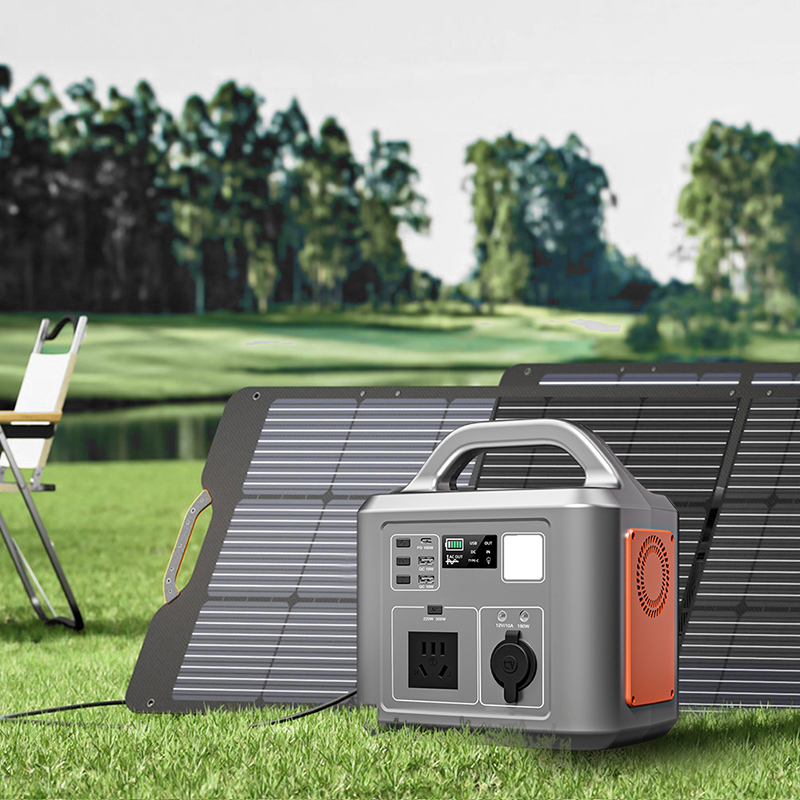
Our core product portfolio centers around intelligent, green energy ecosystems. We specialize in household energy storage systems, industrial and commercial energy storage cabinets, energy storage containers, super capacitor jump starters, portable power stations, heavy truck lithium batteries, and smart ergonomic furniture batteries. This diverse manufacturing background guarantees that our cable assemblies, connectors, and power accessories conform to strict power distribution and transmission requirements.
We have obtained ISO 9001:2015 and ISO 14001:2015 quality management system and environmental management system certifications. In 2022, we signed a strategic cooperation agreement with USA partners to comprehensively develop the optical storage and charging market, supplying products such as home energy storage, industrial power configurations, and heavy truck parking batteries.


In modern smart ecosystems, power transmission and digital signal handshakes require tightly synchronized hardware. A high-quality charging cable serves as the communication bridge between portable systems and high-current power grids.
In large-scale energy storage deployments, field engineers use handheld telemetry interfaces to monitor individual battery cell health, load balances, and thermal metrics. These diagnostic units often rely on Micro USB links for firmware programming and local diagnostic reporting. Using subpar cables in these high-interference substation environments can lead to corrupted data transmissions or physical damage to sensitive diagnostic interfaces.
Smart home furniture—such as motorized reclining chairs, adjustable desks, and smart couches—requires reliable internal battery packs (e.g., 2500mAh to 5000mAh units). These setups utilize specialized charging lines to link external AC adapters to the integrated power pack. Standard cables fail under frequent motion, making highly durable, customized, and stress-tested Micro USB setups crucial for long-term safety and performance.
Medical instrumentation demands zero latency and absolute physical reliability. Medical-grade equipment utilizing Micro USB connections requires bio-compatible outer jackets (such as medical TPE or silicone), strict electromagnetic shielding, and robust mechanical strain relief to prevent accidental disconnections.
Operating factories across Hong Kong, Shenzhen, and Dongguan allows us to execute cross-border supply chain operations with absolute regulatory compliance. We provide complete tracking, production transparency, and localization support for all major commercial markets.
To maintain consistent, high-yield quality, our manufacturing lines perform strict testing protocols on every production batch:
Our manufacturing partners and facilities ensure all materials meet environmental safety and electrical performance standards. This includes RoHS and REACH compliance to limit hazardous chemicals, UL94 V-0 flame-retardant raw materials for inner wiring housings, and CE and FCC certification marks to guarantee smooth entry into European and North American markets.
Technical resolutions to common questions asked by B2B electronics buyers and integration engineers.
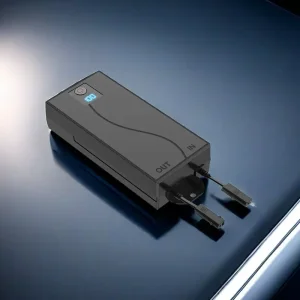
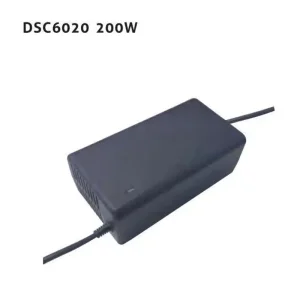
Discover our comprehensive range of high-efficiency charging systems, power modules, and portable stations built for international enterprise distribution.
 ELITE POWER