In the modern era of heavy-duty operations and intelligent backup grids, standard disposable primary batteries represent an operational and environmental bottleneck. High-Quality Rechargeable D Cell batteries (IEC R20 format) provide the essential electrical current stability, mechanical robustness, and deep-cycle reliability required for enterprise-scale deployments.
Designed with high-density sintered or foam electrodes to support steady continuous discharge rates and minimize internal resistance (IR) down to sub-15mΩ, ensuring reliable energy delivery under peak loads.
Utilizes advanced separator technologies that mitigate micro-dendrite growth. This yields up to 1,200 full charge-discharge cycles before capacity degrades below 80% of nominal rating.
By eliminating single-use packaging and heavy metal landfill contributions, integrating rechargeable D cells directly aligns procurement strategies with international green mandates and scopes.
Industrial systems require cell chemistries that perform reliably across wide temperature ranges (-20°C to +60°C). Unlike alkaline cells, which drop voltage rapidly under load, rechargeable D-cells feature a exceptionally flat voltage plateau, supplying stable operating current until depletion. This is essential for safety valves, warning beacons, and field telemetry equipment.
Depending on the application, B2B buyers must select the correct cell chemistry. While Nickel-Metal Hydride (NiMH) remains the robust choice for heavy industrial, cost-effective cycles, Lithium-ion (with built-in step-down voltage regulation circuitry) represents the cutting edge for constant 1.5V voltage applications.
| Technical Characteristic | Nickel-Metal Hydride (NiMH) D Cells | Lithium-Ion (with integrated BMS) D Cells |
|---|---|---|
| Nominal Voltage | 1.2V (typical flat discharge at 1.25V-1.1V) | 1.5V constant (internal buck converter down from 3.7V) |
| Energy Density (Wh/kg) | 60 - 80 Wh/kg | 110 - 150 Wh/kg (higher absolute runtime) |
| Cycle Life (80% DoD) | Up to 1,000 cycles (charge control dependent) | 500 - 1,200 cycles (BMS thermal stress dependent) |
| Self-Discharge Rate | Low Self-Discharge (LSD): retains ~85% after 1 year | Negligible (BMS standby draw holds charge over 2 years) |
| Thermal Envelope | Excellent stability from -20°C to +60°C | 0°C to +45°C charging; -20°C to +60°C discharging |
| Compliance Profile | Easy logistics, RoHS compliant, no Class 9 hazmat classification | Requires UN38.3, UL1642, strict Class 9 transport rules |
For heavy motor-driven valves and precision positioning devices, NiMH chemistry is highly recommended because it withstands transient inductive kickbacks without triggering internal overcurrent protection. Conversely, for smart digital cameras and wireless transmitters, Lithium-ion D-cells maintain a flat 1.5V rail, preventing early low-battery warnings.
Rechargeable D-size batteries serve as crucial power links in localized infrastructure across different geographies, satisfying both severe meteorological requirements and strict regional green transition frameworks.
Deployed in municipal water and gas smart-meters across cold climate regions. NiMH D cells withstand sub-zero winters, ensuring continuous telemetry reporting and preventing costly physical maintenance visits.
Utilized in automated access systems, public transit safety lights, and high-traffic sanitization sensors. Conforms fully with the EU Battery Directive (2006/66/EC) and its updates, supporting strict loop-closing recycling policies.
Ideal for lighthouses, emergency marine buoys, and rugged off-grid seismic sensor stations. These environments demand cells that resist salt spray corrosion and maintain charge over prolonged idle periods.
Why procure from our southern China manufacturing cluster (Dongguan, Shenzhen, and Hong Kong)? The answers lie in chemical raw material vertical integration, rapid ODM validation, and highly optimized export frameworks.
We procure high-grade Nickel Hydroxide and Lithium Iron/Cobalt inputs directly from integrated mainland refiners. This buffer shield mitigates global metal index fluctuations, ensuring stable B2B unit cost contracts.
Our production lines run continuous automated quality controls, utilizing advanced CCD inspections, computer-monitored cell wrapping, and automated cell formation testing to guarantee voltage uniformity.
With logistics hubs in Hong Kong, Shenzhen, and Dongguan, we ensure seamless global export routing. This helps navigate shipping rules for both non-hazardous NiMH shipments and Class 9 Lithium battery freight.
ELITE POWER is a proud subsidiary of GRACE DEVELOPERS CO., LIMITED. With key operation centers and corporate branches in Hong Kong, Shenzhen, and Dongguan, China, we operate as a new energy production enterprise integrating scientific research, product design, manufacturing, and global sales.
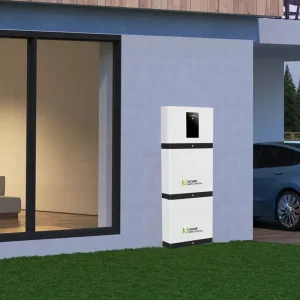
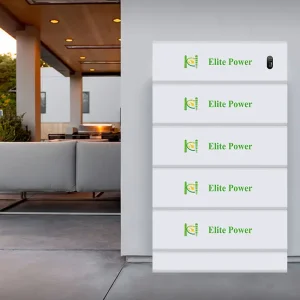
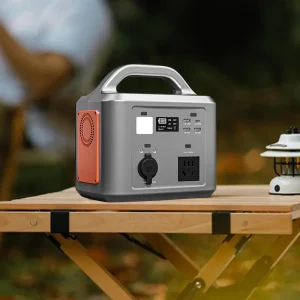
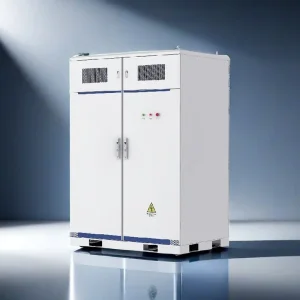
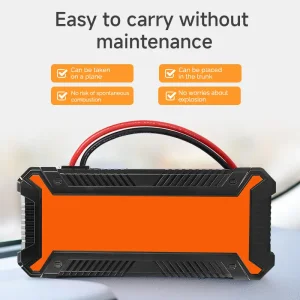
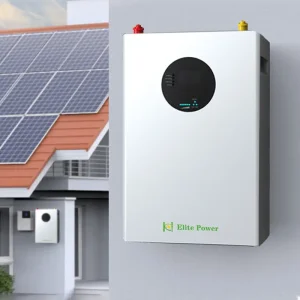
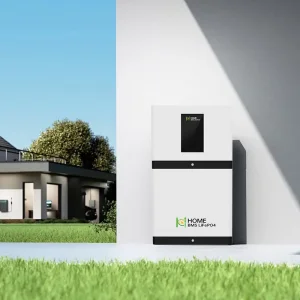
We focus on intelligent green new energy storage solutions. Our industrial footprint covers household energy storage systems, commercial energy storage cabinets, containers, supercapacitor jump starters, portable power stations, truck lithium batteries, and furniture batteries. Our systems conform to ISO:9001:2015 and ISO14001:2015 management frameworks.
In 2022, we signed a strategic cooperation agreement with USA partners to develop the optical storage and charging system market in the US, supplying advanced residential and C&I energy storage solutions, heavy truck parking batteries, and emergency activation technologies.


Exporting rechargeable batteries to highly regulated industrial zones requires strict compliance verification. Our products are fully tested to meet international electrical safety standards.
Our lithium cells undergo strict UN38.3 transportation testing, including thermal runaway, altitude simulation, vibration, and impact tests, ensuring safety during air, sea, and rail freight.
Complies with safety standards for portable sealed secondary cells. This certification is crucial for entry into the EU market, certifying safe mechanical, electrical, and thermal performance.
Our batteries are free from lead, mercury, and cadmium. They meet RoHS requirements, ensuring compliance with strict environmental directives in Europe and North America.
 ELITE POWER