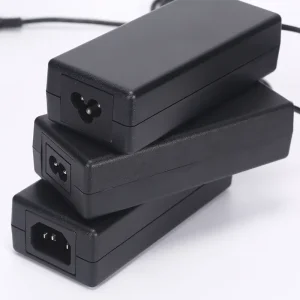
Deploying safety-certified, high-reliability commercial power solutions across smart home electronics, medical instrumentation, and industrial machinery.
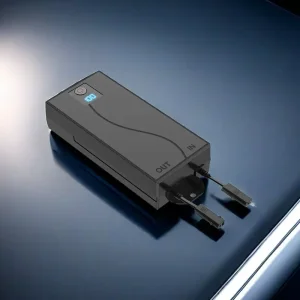
Analyzing the strategic shifts from single-use primary cells to custom-engineered rechargeable lithium-ion, NiMH, and LiFePO4 9V (PP3) blocks for commercial applications.
Transitioning to high-cycle-life ODM 9V rechargeable modules provides over 500 to 1,000 deep discharge cycles, driving a dramatic drop in lifetime operational expenses for multi-device deployments.
Heavy commercial operations utilize rechargeable designs to meet demanding corporate Environmental, Social, and Governance (ESG) objectives, mitigating toxic waste and landfill accumulation.
Traditional 9V alkaline alternatives steadily drop to 6V, rendering calibration equipment inaccurate. Advanced ODM rechargeable designs include integrated buck-boost chips to ensure a steady 9.0V flat voltage profile.
| Performance Characteristic | Nickel-Metal Hydride (NiMH) | Lithium-Ion (Li-ion) with Regulator | Lithium Iron Phosphate (LiFePO4) | Standard Alkaline (Disposable) |
|---|---|---|---|---|
| Nominal Voltage Profile | 7.2V to 8.4V (Sloping decline) | Stable 9.0V constant output | 9.6V initial, drops to 8.4V stable | 9.0V initial, rapid drop to < 6.0V |
| Nominal Capacity Range | 150mAh - 300mAh | 500mAh - 1200mAh | 320mAh - 500mAh | 400mAh - 600mAh (High drop rate) |
| Cycle Life Rating (80% DoD) | ~500 Cycles | 500 - 800 Cycles | 1,500 - 2,000 Cycles | Single-Use Only (1 Cycle) |
| Self-Discharge Rate | Moderate (15-20% per month) | Very Low (<1.5% per month) | Low (<3.5% per month) | Negligible (Shelf storage) |
| Target Applications | Legacy instrumentation, microphones | Medical monitors, telemetry, IoT | Heavy industrial backup, emergency | Smoke detectors, basic alarms |
Step inside the core mechanics of our customized 9V rechargeable cells, engineered with smart protective layers and structural resilience.
Every industrial-grade 9V cell manufactured in our partner plants incorporates a proprietary Battery Management System (BMS). The integrated circuit regulates charging current, prevents overcharging (>4.25V per cell equivalent), over-discharging (<2.4V per cell), and incorporates active short-circuit protection with thermal auto-shutdown triggered at 60°C.
Eliminate dedicated bulk docking stations. Our flexible ODM services allow for both standardized snap-terminal charging paths and modern direct USB Type-C input built directly into the battery's protective casing, featuring an onboard LED charge-state status indicator.
The housing is constructed from impact-resistant polycarbonate-ABS blended polymer, certified to meet UL94-V0 fire safety metrics to prevent combustion under severe thermal conditions.
Our internally packaged premium cells exhibit minimal Equivalent Series Resistance (ESR), preventing heat buildup under high discharge peaks commonly found in medical telemetry and RF signals.
Through custom electrolyte formulations, our special industrial range maintains discharge stability across extreme temperatures ranging from -20°C up to +60°C.
How global industries employ customized rechargeable 9V blocks to power mission-critical operations, reduce downtime, and achieve strict environmental parameters.
Hospitals and healthcare clinics utilize customized Li-ion 9V cells in diagnostic multimeters, portable infusion pumps, and clinical oxygen meters. An integrated protection circuit guarantees zero noise feedback, keeping highly sensitive medical sensors clear of electrical interference.
Smart utility networks and remote environmental monitors rely on rechargeable 9V blocks paired with miniature solar harvesters. Standard cells suffer from high self-discharge; our optimized formulas lose less than 15% charge over 10 years of storage.
ELITE POWER is a subsidiary of GRACE DEVELOPERS CO., LIMITED. With operations spanning Hong Kong, Shenzhen, and Dongguan, China, we are an integrated, high-technology energy manufacturing enterprise. We merge scientific research, industrial design, custom product engineering, and global logistics optimization under one roof.
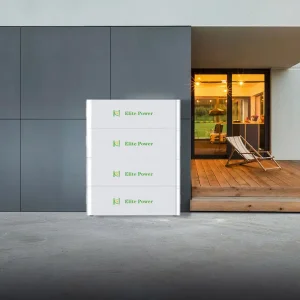
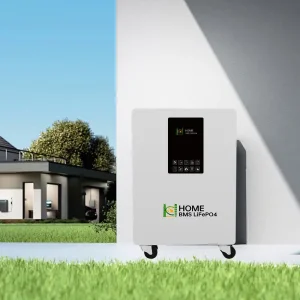
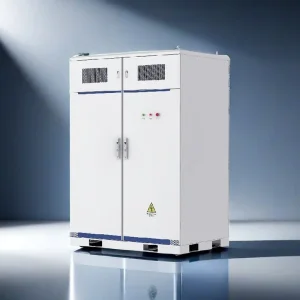
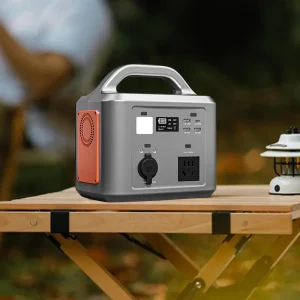
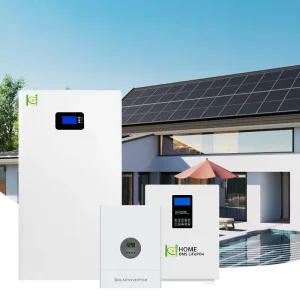
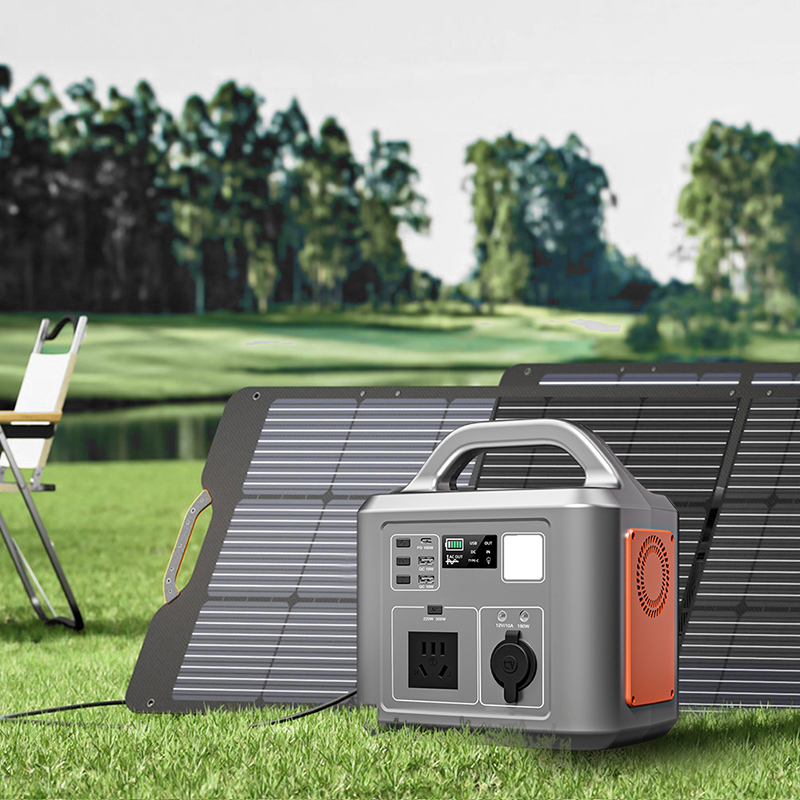
Our diverse engineering portfolio extends beyond small form factor cells into household energy storage systems, industrial & commercial energy storage cabinets, containerized storage designs, supercapacitor vehicle jump starters, portable power stations, heavy truck auxiliary batteries, and custom furniture power packs.
Our design pipelines and assembly facilities operate under certified ISO 9001:2015 and ISO 14001:2015 quality and environmental management guidelines. Through strategic partnerships in the Americas and Europe, we deliver highly reliable optical storage, charging systems, and heavy transportation battery solutions globally.

We operate with absolute honesty, absolute regulatory compliance, and total transparency in all our business transactions.

Pushing engineering boundaries to create safer, high-density, and more reliable renewable power products.

Striving for perfection across every milestone, from prototype chemistry testing to custom injection molding.

Cultivating long-term supply chain partnerships to assure price protection and continuous stock availability.
Shipping rechargeable lithium or NiMH formulations globally requires meeting complex compliance codes. Our custom battery packs undergo strict validation to comply with domestic and international transport regulations.
Guarantees safe air and sea freight transportation via rigorous vibration, thermal, and altitude tests.
Guarantees cells comply with international safety regulations for portable electronic hardware.
Verifies that all components are free of hazardous lead, cadmium, and mercury compounds.
To secure zero-defect performance, each production batch undergoes mechanical and electrical stress testing:
Answers to common engineering and sourcing questions about custom 9-volt battery systems.
Explore our complete system products, delivering off-grid stability, emergency electrical backup, and commercial solar energy storage.
 ELITE POWER