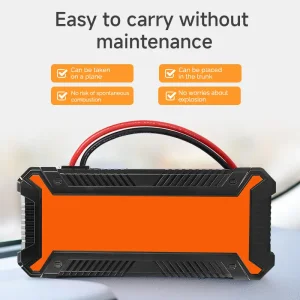
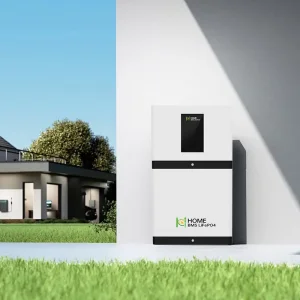
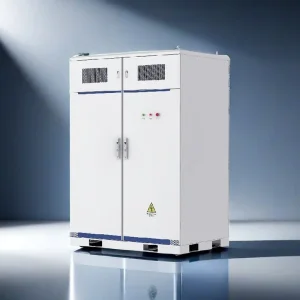
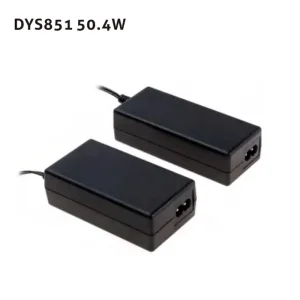
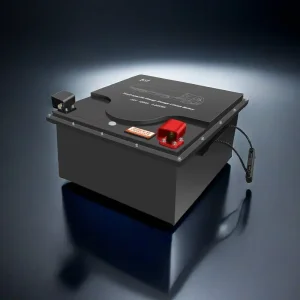
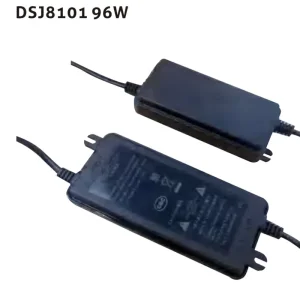
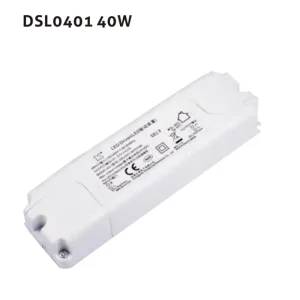
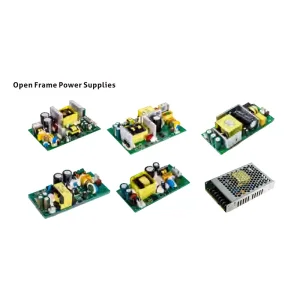
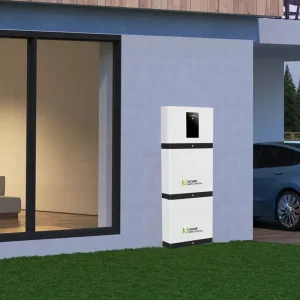
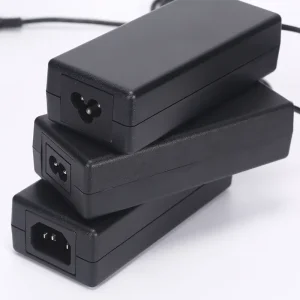
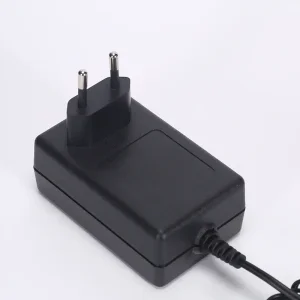
Browse our core line of enterprise-grade power converters, smart charging stations, and specialized high-efficiency battery packs built to strict ISO and compliance specifications.
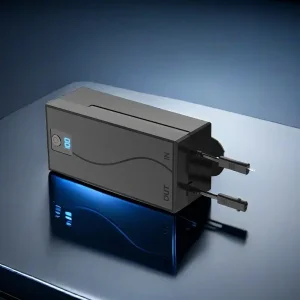
ELITE POWER is a proud subsidiary of GRACE DEVELOPERS CO., LIMITED. With core branches located across key technological and industrial hubs in Hong Kong, Shenzhen, and Dongguan, China, we operate as a unified energy production enterprise. Our operations comprehensively integrate scientific research, custom electrical engineering, smart manufacturing, and global sales channels.
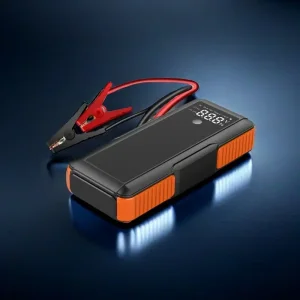
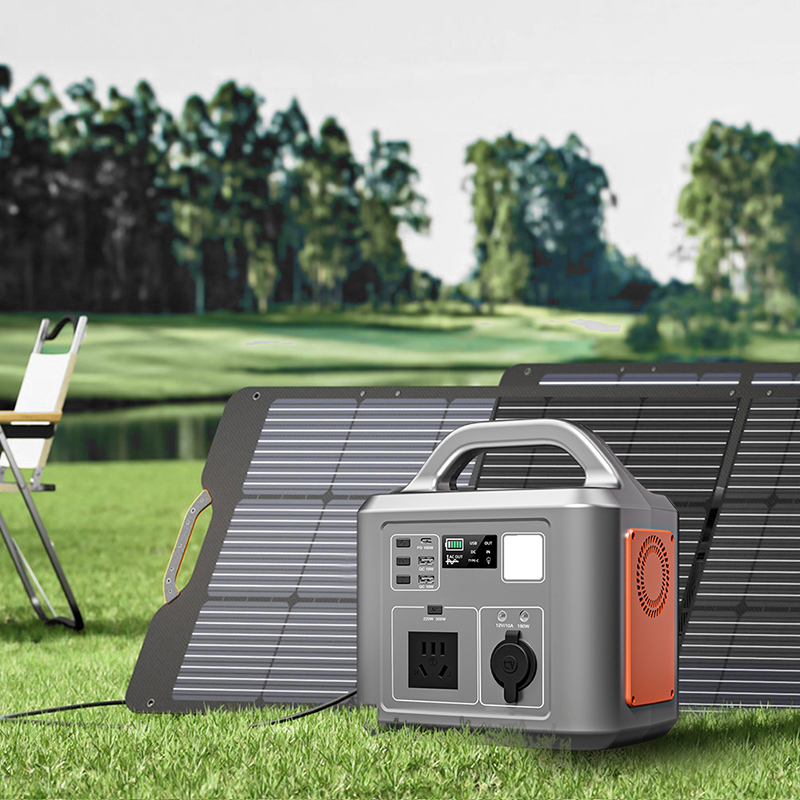
We focus extensively on intelligent green energy storage and high-efficacy charging solutions. Our catalog encompasses a diversified range of state-of-the-art power products including household energy storage systems, industrial and commercial energy storage cabinets, containerized storage networks, supercapacitor jump starters, portable power stations, specialized lithium truck batteries, and smart home furniture batteries.


Modern battery topologies demand more than static voltage feeds. High-performance battery chemistries—such as Lithium Iron Phosphate (LiFePO4), Nickel Manganese Cobalt (NMC), and advanced Lead-Acid (AGM/Gel)—require dynamically managed charging profiles to extend lifecycle longevity, prevent thermal degradation, and optimize charging speed. Smart battery chargers differ from traditional linear power supplies by integrating dedicated microcontrollers (MCUs) that monitor real-time battery parameters and modulate energy flow.
Utilizing dynamic proportional-integral-derivative (PID) controllers, smart chargers execute multi-stage charging phases (Constant Current, Constant Voltage, and Float/Trickle charge). The MCU samples voltage (V), current (I), and temperature (T) at kilohertz frequencies to guarantee the exact charge profile is maintained without overshooting chemical capacity thresholds.
By leveraging native communication networks such as CAN bus, Modbus, SMBus, or I2C, smart chargers coordinate directly with the battery pack's internal Battery Management System (BMS). The BMS dictates precise current request parameters to the charger, minimizing cell imbalance risk and managing thermal safety thresholds dynamically.
Thermal tracking prevents catastrophic battery failures. Real-time temperature sensors feed dynamic safety controls that down-regulate the charger output when temperatures rise beyond normal limits. If critical thresholds are reached, the device terminates current output instantly to avoid structural degradation.
For decades, traditional industrial battery chargers relied on heavy, inefficient linear transformers. Elite Power's smart chargers employ modern High-Frequency Switch Mode Power Supply (SMPS) topologies, utilizing modern LLC resonant converters and active clamp flyback designs. This integration enables switching frequencies ranging from 100 kHz to over 300 kHz, reducing physical weight and volumetric footprint while boosting energy transformation efficiency to levels above 94%.
Guangdong province, specifically the industrial clusters of Shenzhen and Dongguan, serves as the global epicenter for power electronics engineering and battery manufacturing. Sourcing smart battery chargers from this region provides enterprise buyers with significant strategic advantages:
The concentration of raw material refinement, semiconductor distributors, high-frequency transformer winders, and sheet-metal fabricators within Dongguan and Shenzhen enables extremely rapid prototyping cycles. What takes months to model and validate in other regions can be completed in days. By consolidating this supply ecosystem, ELITE POWER ensures cost-efficiency without sacrificing reliability.
Furthermore, our factories integrate Automated Test Equipment (ATE) to rigorously test every charger under simulated heavy load conditions. Dynamic burn-in testing chambers, environmental chamber testing (cycling temperature and humidity), and electromagnetic compatibility (EMC) testing rooms ensure that all outgoing batches conform to rigorous international quality metrics.
Power conversion systems are the critical backbone of global infrastructure. Different vertical markets impose specialized environmental, electric, and regulatory parameters. Below is a breakdown of how Elite Power designs solutions for core commercial markets:
| Application Sector | Primary Power Output range | Critical Engineering Focus | Core Regulatory Standards |
|---|---|---|---|
| Medical Grade Systems | 24W – 500W+ | Dual-protection insulation (2xMOPP), low leakage currents, high EMC immunity. | IEC 60601-1, UL 60601-1 |
| Telecom & Infrastructure | 1kW – 15kW+ | Rack-mount modular layouts, hot-swappability, intelligent remote diagnostics. | ETSI EN 300 386, CE |
| Industrial AGV & Logistics | 500W – 10kW+ | IP67 waterproof ratings, ultra-rugged cases, high vibrational resistance. | UL 1564, FCC Class A |
| Residential Energy Storage | 3kW – 15kW+ | Bi-directional charging capability, low noise output (silent convection cooling). | UL 1973, CE, UN38.3 |
| Commercial Fleets (Heavy Trucks) | 2kW – 20kW+ | Wide voltage inputs (380V-480V AC), high capacity surge suppression. | SAE J1772, IEC 62196 |
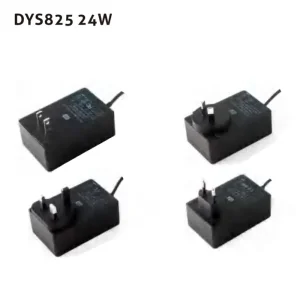
Medical environments present demanding challenges for power supplies. The equipment must offer high efficiency, run silently, and guarantee total electrical safety for patients and practitioners. Elite Power's medical power supply series provides fixed wall-plug and desktop variations that conform to IEC 60601-1 safety margins. Featuring dual means of patient protection (2xMOPP) and extremely low electromagnetic emissions, they operate cleanly alongside sensitive imaging and monitoring hardware.
Sourcing engineers and procurement executives must look beyond standard voltage and current outputs to evaluate the suitability of a wholesale battery charger manufacturer. To optimize lifecycle reliability and prevent system downtime, prioritize these essential technical parameters:
A smart charger must integrate Active PFC to align input current with the voltage waveform. Sourcing chargers with a power factor >0.98 reduces harmonic disturbances within electrical grids, ensuring compliance with EN 61000-3-2 standards and minimizing overall operating costs.
For enterprise installations, specify an MTBF exceeding 100,000 operational hours at maximum thermal load. This longevity depends on using premium internal components, such as Japanese solid-state capacitors and optimized thermal management paths.
For marine, construction site, or outdoor cabinet installations, standard plastic casings will fail. Elite Power designs and manufactures specialized smart battery chargers with aluminum alloy structures boasting IP65 and IP67 ratings, rendering them impervious to fine dust and liquid splashes.
By defining these specifications at the start of your sourcing cycle, your team can avoid costly redesigns and certification delays. Collaborating with an integrated OEM/ODM supplier like Elite Power ensures your specific mechanical, electrical, and firmware requirements are implemented right from the prototype phase.
The smart battery charger sector is undergoing a massive shift driven by two primary advancements: the adoption of Wide Bandgap (WBG) semiconductors and the rise of Internet-of-Things (IoT) connected charging systems.
Conventional silicon power switches are reaching their physical limits. The integration of Gallium Nitride (GaN) components allows chargers to operate at significantly higher switching speeds and voltages while reducing energy losses. The direct benefit to buyers is a 30% to 40% reduction in package size, alongside cooler operating temperatures under sustained loads.
Battery chargers are evolving from simple power sinks into interactive grid elements. Smart chargers now increasingly support bidirectional power flow. This lets battery packs (including vehicle batteries or home energy storage units) feed power back into commercial microgrids during peak demand periods, helping operators lower energy costs.
By leveraging integrated edge computing processors, high-performance battery chargers can analyze voltage curves and impedance shifts in real-time. This diagnostic capability allows the charger to detect microscopic cell degradation before it triggers a system shutdown, notifying maintenance crews through centralized cloud management portals.
Explore our additional high-reliability products, ranging from heavy-duty truck LiFePO4 batteries to IP67-rated waterproof power adapters and open-frame industrial modules.
 ELITE POWER