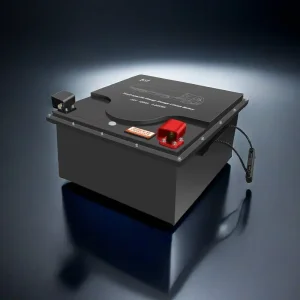
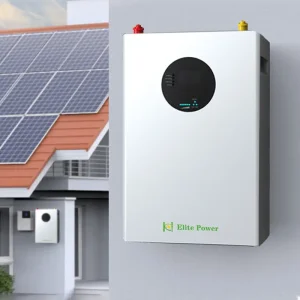
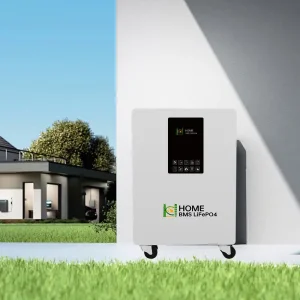
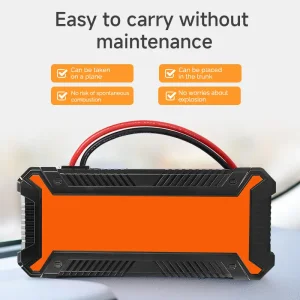
Truck Parking AC Battery Suppliers & Factories

High-Efficiency LiFePO4 Auxiliary Energy Storage Solutions Serving the Mexico City Logistics and Transport Hubs

Mexico City’s Fleet Logistics & Idle-Reduction Challenge

Mexico City (Valle de México) sits at the heart of Latin America's second-largest transport grid, serving as a critical intersection for freight corridors connecting NAFTA highways, Veracruz maritime gateways, and the manufacturing belts of El Bajío. Long-haul diesel fleets routinely idle to power cabin air conditioning systems during mandated rest periods. Under the official Mexican Standard NOM-087-SCT-2-2017, heavy transport operators must comply with mandatory rest protocols—requiring a 30-minute break for every 5 hours of continuous driving.

Furthermore, local municipal ordinances targeting emissions within the metropolitan zone restrict high-polluting operations. The economic penalties of idling to run auxiliary climate control are staggering: a typical heavy truck burns approximately 3.8 liters of diesel per hour of idle. With hundreds of freight depots situated around Tepotzotlán and Tlalnepantla, the need for zero-emission auxiliary energy units (APU) is urgent. Electric auxiliary units powered by advanced LiFePO4 batteries allow drivers to comply with resting regulations and maintain cabin cooling without operating their main diesel engines, resulting in up to 90% fuel savings during rest stops.

3.8L
Diesel Saved/Hour
NOM-087
Regulation Ready
3000+
Life Cycles at 80% DOD
0 g
Local Emissions

The Strategic Advantage of Partnering with China Lithium Factories

To fulfill the heavy-duty specifications of commercial transportation in Mexico, logistics operators require energy storage solutions built to withstand harsh road conditions and long cycle lifetimes. Original Equipment Manufacturers (OEMs) and suppliers located in China's industrial zones (Dongguan and Shenzhen) deliver key advantages to the Mexican market:

LiFePO4 Chemistry Mastery

China-based manufacturers lead in lithium iron phosphate production, delivering cells with high thermal stability and runtimes designed to match localized climates.

Custom BMS Integration

Smart Battery Management Systems (BMS) safeguard modules against voltage fluctuations, short-circuits, and deep discharge typical of heavy transport duty cycles.

Supply Chain & Duty Advantages

Standardized manufacturing pipelines help keep acquisition and installation costs low, even when factoring in international freight tariffs and import custom clears.
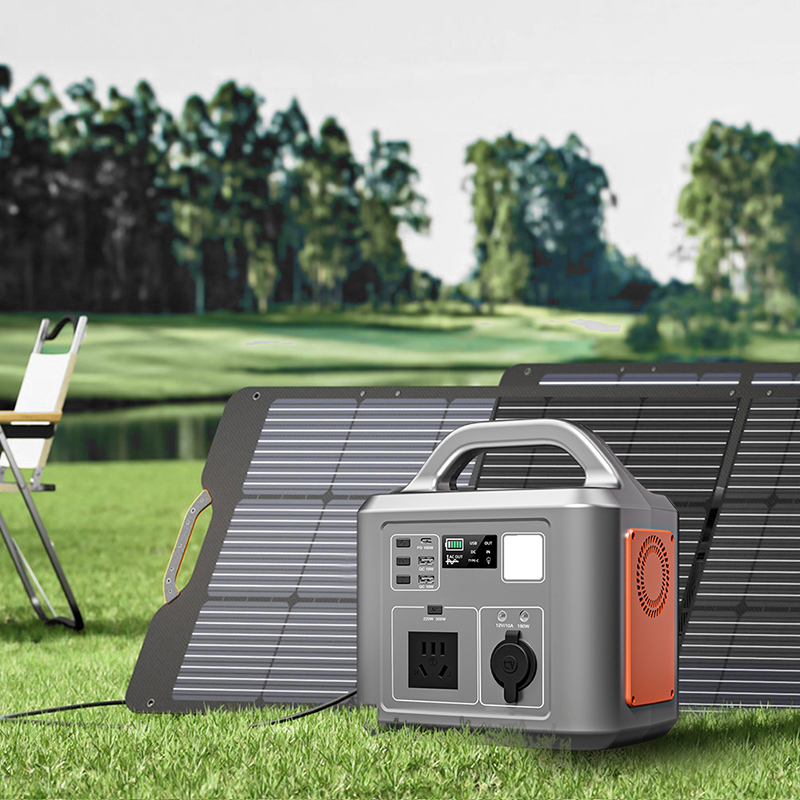
ELITE POWER manufacturing facilities and storage batteries
ELITE POWER
Experience

About Our Company

ELITE POWER is a subsidiary of GRACE DEVELOPERS CO., LIMITED. We maintain manufacturing facilities and branch operations in Hong Kong, Shenzhen, and Dongguan, China. As a modern, new energy production enterprise, we integrate scientific research, custom design engineering, manufacturing, and international sales.

We focus on intelligent, green energy storage solutions. Our comprehensive portfolio includes residential energy storage systems, industrial and commercial energy storage cabinets, transport container energy systems, supercapacitor jump starters, portable power stations, heavy-duty truck lithium batteries, and smart home furniture batteries.

Our facilities operate in strict compliance with international safety and performance criteria, ensuring that our clients in Latin American markets receive dependable power solutions.

Why Logistics Fleets Choose Us

We hold ISO 9001:2015 and ISO 14001:2015 certifications, ensuring that our quality management systems and environmental practices comply with international standards. In 2022, we expanded our footprint by establishing strategic agreements with US-based clean technology partners to deliver household and commercial energy storage systems alongside specialized heavy-duty truck parking battery systems.

FAITH core value icon
FAITH
Operating with transparency and accountability across our international logistics supply chain.
INNOVATION core value icon
INNOVATION
Developing high-performance, vibration-resistant battery chemistry for transit applications.
EFFORT core value icon
EFFORT
Committed to maximizing efficiency from product design through to post-sales customer support.
Win-Win core value icon
Win-Win
Building long-term, mutually beneficial relationships with local distributors in Latin America.

Technical Requirements for Truck APU Batteries in Central Mexico

Operating auxiliary air conditioners in commercial trucks requires battery chemistry that can withstand high vibration, frequent deep-discharge cycles, and high operating temperatures. Standard lead-acid batteries degrade rapidly under deep-discharge cycles. In contrast, LiFePO4 chemistry provides specific advantages for transit applications:

  • Vibration Resistance: Long-haul trucks traveling routes like the Carretera Federal 150D experience continuous high vibration. Our battery enclosures feature internal structural bracing and soft-cushioning materials to prevent micro-cracks in connection terminals.
  • Thermal Management: Higher temperatures in cargo depots require thermal safety safeguards. Our integrated BMS monitors cell temperatures, regulating power profiles to protect the system from thermal runaway.
  • Charge Acceptance: Auxiliary systems must recharge quickly. Our high-efficiency lithium cells can charge from 20% to 100% capacity within 2 to 3 hours using surplus engine alternator power or solar auxiliary setups.

Operational Integration in Heavy Logistics Hubs

For fleet operators running routes near Valle de México, managing total cost of ownership (TCO) is essential. Installing auxiliary electric air conditioning systems powered by LiFePO4 batteries addresses key challenges:

  • Reduced Engine Wear: Extended idling dilutes engine oil with soot, leading to frequent maintenance intervals. By running parking climate systems via auxiliary batteries, engine wear is reduced, lowering the frequency of oil changes and DPF cleanings.
  • Predictable Power: Unlike lead-acid equivalents that drop voltage quickly, LiFePO4 batteries maintain a stable 12.8V output throughout the discharge cycle. This ensures consistent cooling from the parking AC unit.
  • Environmental Compliance: Eliminating idling at loading docks in areas like Iztapalapa lowers local emissions, helping logistics companies meet municipal clean-air guidelines.

In addition, integrating solar auxiliary charging panels on the cabin roof provides continuous trickle-charging during daylight transport hours, extending system runtime and reducing dependence on alternator charging.
Technical & Sourcing FAQ

What is the typical lifespan of a LiFePO4 parking AC battery compared to lead-acid?
LiFePO4 batteries typically deliver 3,000 to 5,000 charge cycles at an 80% depth of discharge (DOD), which translates to approximately 8 to 10 years of service life. Conventional lead-acid or AGM batteries generally provide 300 to 500 cycles under deep-discharge conditions before showing significant capacity loss.
How does NOM-087-SCT-2-2017 impact our battery requirements?
This regulation mandates that drivers take a 30-minute break every five hours. During these intervals, and during overnight stops, running the truck's main diesel engine to operate climate control incurs fuel and maintenance costs. An auxiliary parking AC battery system provides silent, emission-free cooling, helping fleet operators comply with rest regulations while lowering fuel consumption.
Can China factories customize batteries to fit specific truck models?
Yes. We offer custom design and manufacturing services, adjusting physical casing dimensions, mounting points, connection terminals, and voltage levels (12V, 24V, or 48V) to fit specific truck brands, including Kenworth, Freightliner, Volvo, and International.
What is the role of the integrated BMS in local operations?
The integrated Battery Management System (BMS) monitors voltage, current, and cell temperatures. In areas with high ambient temperatures, it prevents thermal issues by regulating operation. The BMS also guards against over-discharging from overnight AC use, ensuring the truck can restart.
How does shipping and logistics work for Mexico City delivery?
We manage bulk shipping of hazardous materials (UN3480 Lithium-Ion Batteries) from our Shenzhen and Dongguan hubs, handling customs documentation and safety certifications. We work with local custom brokers at major ports of entry like Manzanillo and Lázaro Cárdenas to ensure delivery to Mexico City warehouses.