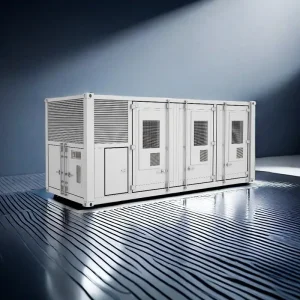
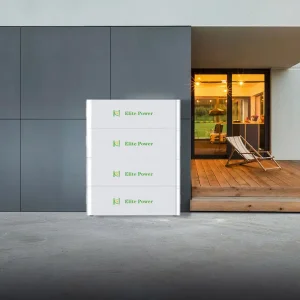
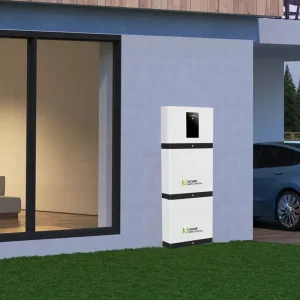
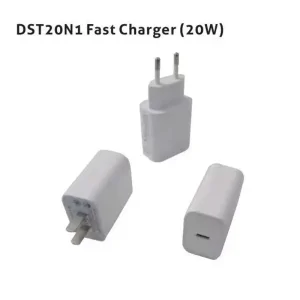
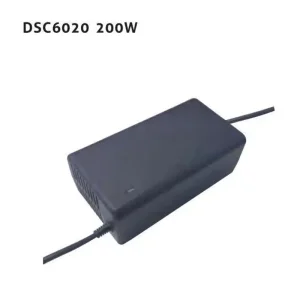
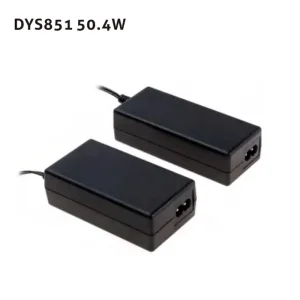
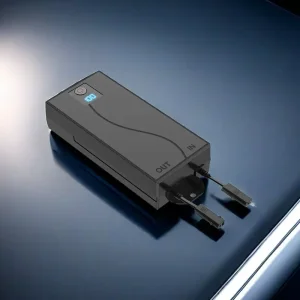
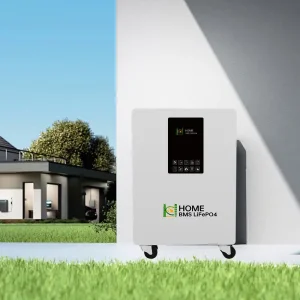
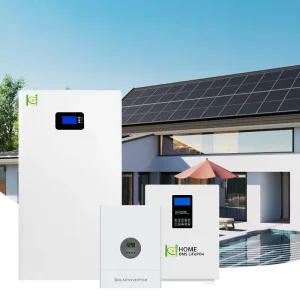
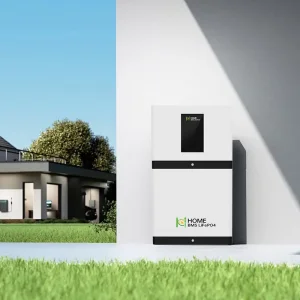
Explore our diverse portfolio of top-tier energy storage modules, container systems, and localized microgrid power supplies.
The global energy landscape is undergoing an unprecedented transformation. Commercial and Industrial (C&I) enterprises are no longer mere passive consumers of grid power; they are transitioning into "prosumers" who actively generate, store, and manage electricity. At the core of this revolution is C&I Distributed Energy Storage Systems (DESS). By decoupling the timing of energy generation from its consumption, distributed storage addresses the core structural inefficiencies of modern electrical grids.
As global power grids experience heightened instability due to extreme weather events and the intermittent nature of utility-scale renewable generation, behind-the-meter (BTM) storage has transitioned from an environmental luxury to an operational necessity. High-quality C&I distributed energy storage systems act as a critical shield, offering microsecond-level response times to grid disturbances, peak shaving capabilities, and a structured mechanism to lower utility demand charges.
"The modern C&I energy storage asset is not merely a battery bank—it is a localized cash-flow generator and a resilient grid asset. Companies that fail to deploy smart storage infrastructure are exposing their operations to escalating peak power tariffs and costly utility downtime."
Procuring C&I energy storage systems requires evaluating complex technical metrics and long-term risk profiles. Engineering, Procurement, and Construction (EPC) firms, along with system developers, face multi-layered challenges. They require storage solutions that satisfy localized grid codes, conform to stringent fire protection standards, and demonstrate long-term bankability.
When evaluating potential C&I distributed energy storage suppliers, global procurement officers look beyond basic cell-level metrics. They analyze the system's Levelized Cost of Storage (LCOS), the integration level of the Battery Management System (BMS) with the Energy Management System (EMS), and the availability of local field engineers. Reliability in supply chain logistics—ensuring that modular units, ranging from 100kWh cabinets to multi-megawatt containers, arrive on-site pre-commissioned and ready for interconnect—is a critical differentiator.
Distributed storage represents a versatile infrastructure asset. High-quality systems can simultaneously execute multiple software-defined use cases to stack value streams, driving down the payback period for commercial operators.
By monitoring factory loads in real-time, the system automatically discharges stored energy during peak utility rate hours. This reduces demand spikes and levels the facility’s load curve, directly lowering monthly demand charges.
Distributed storage mitigates the intermittency of on-site solar PV arrays. Excess solar energy generated during midday is stored and utilized during late afternoon or night, boosting the facility's self-consumption rate.
During grid outages, the system transitions to island mode within milliseconds. Combined with on-site generation, it forms a localized microgrid that maintains critical manufacturing lines, data centers, or cold storage facilities.
Furthermore, with the rise of localized energy markets, C&I energy storage systems can participate in Demand Response (DR) programs and Virtual Power Plants (VPPs). By aggregating multiple distributed battery systems, operators can feed power back into the grid during peak system stress events, receiving direct capacity payments and ancillary service revenues from regional grid operators.
The electrochemical and software systems governing C&I storage are rapidly evolving. The dominant cell chemistry for C&I distributed storage remains Lithium Iron Phosphate (LFP) due to its thermal stability, cycle longevity, and cost efficiency. However, the industry is transitioning from 280Ah to larger 314Ah and 320Ah cells. This shift enables higher energy densities within the same physical footprint, reducing civil installation costs.
Another major shift is the transition from air cooling to liquid cooling systems. Liquid-cooled systems offer superior thermal consistency across the battery pack, limiting cell-to-cell temperature differentials to under 2.5°C. This directly reduces auxiliary energy consumption, extends the battery's operating life by up to 20%, and prevents thermal runaway events from spreading.
Looking ahead, developments are focused on solid-state battery integrations and sodium-ion batteries for specific low-temperature or cost-sensitive markets. On the digital side, AI-driven energy management systems (EMS) utilize machine learning models to analyze weather forecasts, utility tariff structures, and facility load patterns. This enables predictive dispatch strategies that optimize savings and prolong battery life.
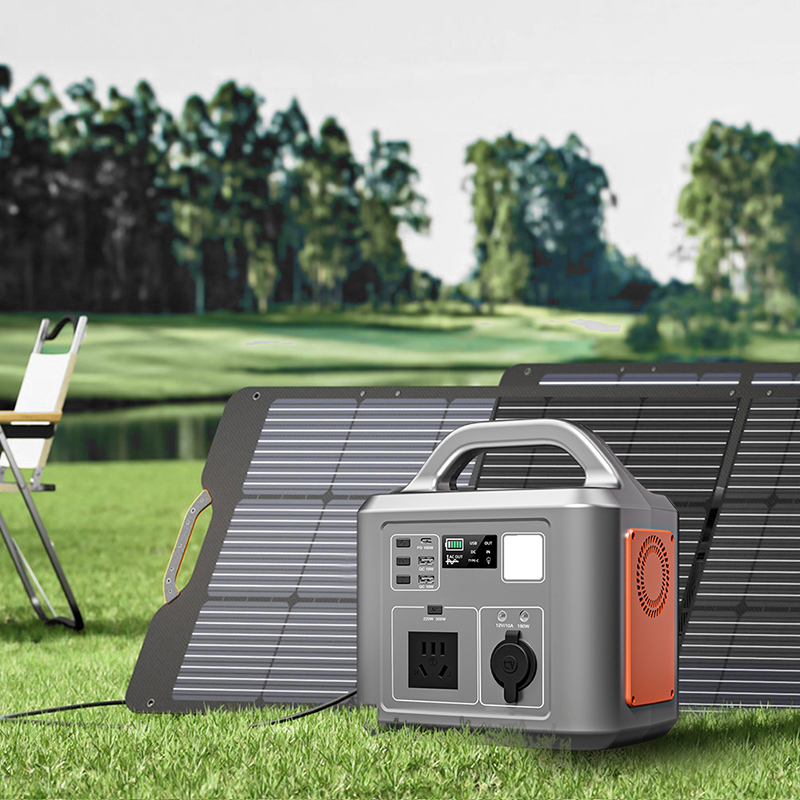
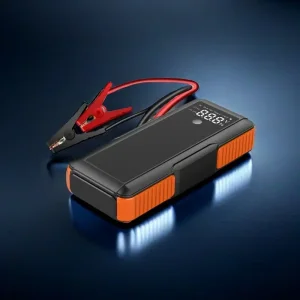
ELITE POWER, a subsidiary of GRACE DEVELOPERS CO., LIMITED, operates branches in Hong Kong, Shenzhen, and Dongguan, China. As a modern new energy enterprise, we integrate research, design, manufacturing, and sales. We focus on intelligent green new energy storage solutions. Our products include household energy storage systems, industrial and commercial energy storage cabinets, energy storage containers, super capacitor jump starters, portable power stations, truck lithium batteries, and furniture batteries.
By leveraging advanced cell technology, robust thermal management, and smart cloud-based BMS architectures, ELITE POWER supplies high-performance energy storage solutions designed for reliability and safety.
We deliver reliable, certified technology, backed by strategic partnerships and a commitment to quality.
We have obtained ISO 9001:2015 and ISO 14001:2015 quality and environmental management system certifications. In 2022, we signed a strategic cooperation agreement with USA partners to jointly develop the optical storage and charging system market in the United States. Through this partnership, we supply home energy storage systems, industrial and commercial energy storage, heavy truck parking batteries, and emergency activation systems.

We operate with honesty and transparency in all our business dealings.

We are committed to pushing the boundaries of renewable energy technology to create a greener future.

We strive for excellence in everything we do, from product development to customer service.

We believe that teamwork and collaborative partnership are essential for mutual success.
Deploying commercial-scale distributed energy systems requires navigating complex, regional compliance and permitting frameworks. Standards such as UL 9540 (for integrated systems), UL 9540A (cell/module level thermal runaway testing), IEC 62619, and local grid connection regulations vary by municipality and utility.
To address these requirements, ELITE POWER works alongside developers to provide comprehensive documentation, certified engineering drawings, and pre-tested configurations. This support streamlines local permitting processes. By conducting end-to-end quality control across our certified production plants, we minimize field commissioning failures and ensure rapid grid interconnection.
Furthermore, our localized support networks provide on-site diagnostics, commissioning support, and preventive maintenance. This ensures that your C&I energy storage assets operate at peak efficiency, protecting your capital investment over its entire operational lifetime.
Key technical and commercial answers regarding C&I distributed energy storage systems.
From modular commercial cabinets to household backup batteries and localized smart power components.
 ELITE POWER