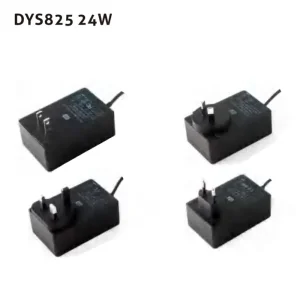
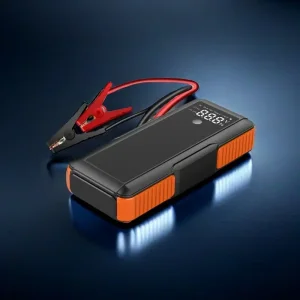
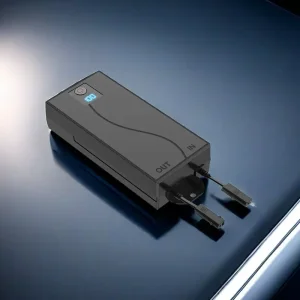
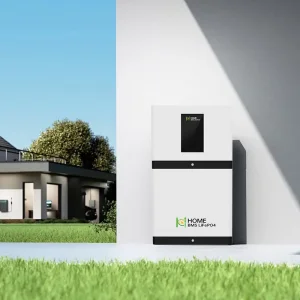
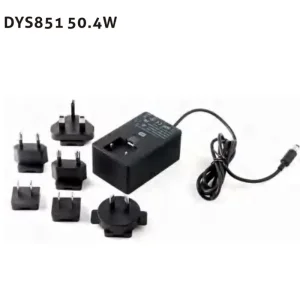
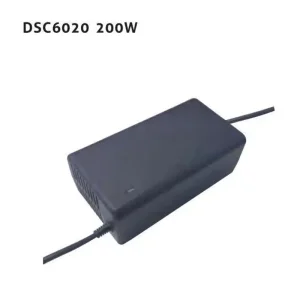
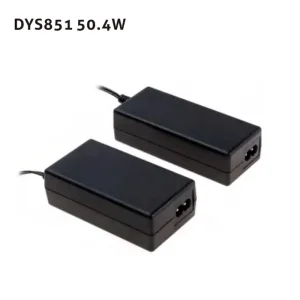
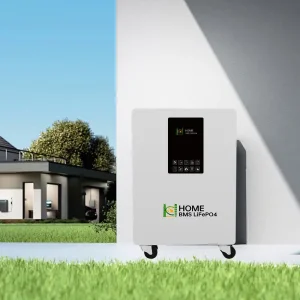
Explore our engineering capabilities across power electronics, solar backup systems, vehicle power conversion, and smart battery units.
Analyzing Technical Standards, Safety Parameters, and Supply Chain Factors for Enterprise-Level Sourcing.
As the workplace transitions to a fully mobile structure, in-vehicle charging demands have moved far beyond the legacy 5W (5V/1A) or 12W standard USB-A profiles. Modern logistics networks, emergency services, executive fleets, and consumer vehicles require high-output, continuous Power Delivery (PD) to keep laptops, tablets, communication hubs, and specialized equipment fully operational. A High-Quality USB C Cigarette Charger acts as the vital bridge, converting direct current (DC) from a vehicle's alternator into highly regulated, low-ripple power suited for sensitive electronic microprocessors.
Today's supply chain standards prioritize solutions capable of running USB-PD 3.0 or PD 3.1 Extended Power Range (EPR) profiles, supporting output configurations of 20V/5A (100W) or even 28V/5A (140W). This transition requires deep understanding of buck-boost circuit topologies, thermal dissipations within tight physical compartments, and dynamic power budgeting when multiple ports are utilized simultaneously.
Unlike standard AC-DC adapters used in residential settings, automotive DC-DC conversion faces extreme electrical volatility. Alternators routinely introduce noise, transient voltages, load dumps, and temperature shifts. Developing reliable charging equipment demands robust components and meticulous architecture:
Enables the system to buck 24V commercial vehicle batteries or boost 12V passenger vehicle batteries to output steady 20V configurations seamlessly without power interruption.
Equipped with dedicated PD controller ICs supporting Programmable Power Supply (PPS) protocols to negotiate voltage adjustments dynamically in 20mV increments.
Built with choke inductors and low-ESR ceramic capacitors to minimize electromagnetic interference that can disrupt vehicle navigation systems and AM/FM radios.
For procurement officers, hardware developers, and distributors, selecting a High-Quality USB C Cigarette Charger Supplier goes beyond pricing considerations. Sourcing must evaluate engineering depth, raw material verification, and strict regulatory compliance. Common procurement checkpoints include:
ELITE POWER, It is a subsidiary of GRACE DEVELOPERS CO., LIMITED. We have branches in Hong Kong, Shenzhen and Dongguan, China. As a new energy production enterprise integrating scientific research, design, manufacturing and sales, we focus on intelligent green new energy storage solutions.
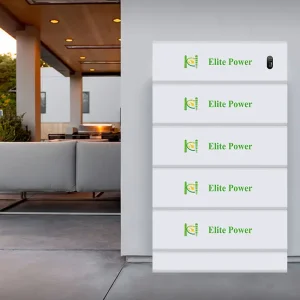
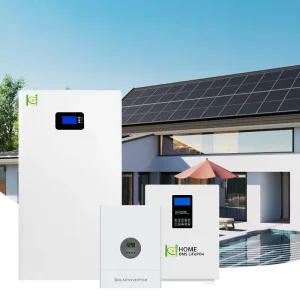
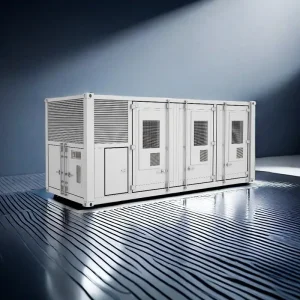
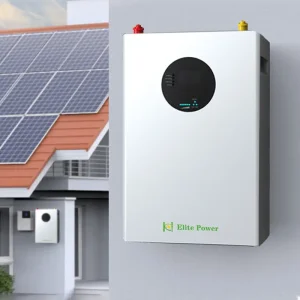
Our products include household energy storage systems, industrial and commercial energy storage cabinets, energy storage containers, super capacitor jump starters, portable power stations, truck lithium batteries, furniture batteries, and so on.
By leveraging our deep engineering background in high-capacity energy storage, battery management systems (BMS), and advanced electrical conversion, we produce high-performance vehicle charging equipment designed for commercial reliability and technical safety.
Our operational framework guarantees that every power delivery and energy storage product aligns with top-tier international standards.
We have obtained ISO:9001:2015 and ISO14001:2015 quality management system and environmental management system certifications. In 2022, we signed a strategic cooperation agreement with USA partners: to comprehensively develop the optical storage and charging system market in the US market, and to supply products such as home energy storage systems, industrial and commercial energy storage, and at the same time, in heavy truck parking batteries, In-depth cooperation in emergency activation and other fields.


How GaN technology and smart vehicle telemetry are defining the next generation of in-car power systems.
As space within vehicle cockpits becomes increasingly premium, traditional Silicon-based components reach their thermal and volumetric limits. Elite Power is actively investing in the integration of GaN semiconductor material into our vehicle power converters. GaN devices offer faster switching speeds, higher power densities, and lower resistance values than traditional silicon MOSFETs. This translates into a 35% reduction in module size, lower operating temperatures, and higher efficiency levels (exceeding 96% energy conversion efficiency).
Traditional multi-port cigarette chargers split power rigidly (e.g., fixed 45W + 15W split). Modern smart systems utilize intelligent dynamic allocation microcontrollers. Upon connection, the charger queries the device’s internal battery management system (BMS) for its target power profile, delivering optimized charging currents. If a laptop requires 65W while a smartphone requires 18W, the device routes power efficiently, preventing overcurrent situations and keeping energy losses minimal.
Our products undergo a series of laboratory tests before they enter standard production. These testing routines include:
Clear, direct answers for wholesale procurement officers, fleet managers, and industrial buyers.
Explore our medical, desktop, and industrial-grade high-voltage battery charging units.
 ELITE POWER