An Industrial Analysis of Material Advancements, Security Regulations, and Evolving Architectures
The global transition toward electrification has driven unprecedented demand for sophisticated energy storage systems. Among these, the high-capacity battery pack serves as the bedrock for modern grid stability, micromobility, heavy machinery electrification, and smart commercial spaces. To remain competitive in this landscape, original design manufacturers (ODMs) must look beyond simple cell wrapping, focusing instead on structural intelligence, advanced electrochemical compositions, and strict adherence to localized safety frameworks.
Key global trends shaping the high-capacity battery market include:
Aligning Engineering Specifications with Enterprise Procurement Frameworks
When selecting an ODM high-capacity battery pack manufacturer, procurement officers, CTOs, and systems integrators evaluate candidates on metrics that extend beyond initial cost-per-kilowatt-hour. High-capacity battery deployment demands robust safety assurances, reliable long-term supply, and compliance with strict regional regulations.
1. Regulatory Compliance and Certifications: Industrial energy systems must hold relevant global certifications. In North America and Europe, testing under UN 38.3 (transport safety), UL 1973 (stationary batteries), UL 9540A (thermal runaway propagation), IEC 62619, and CE mark directives is required. Without these credentials, local installations cannot secure insurance or regulatory approval.
2. Thermal Management and Operational Safety: High-capacity systems generate significant heat during high C-rate charging and discharging. B2B designs require sophisticated thermal engineering, such as liquid-cooling channels or phase-change materials (PCMs), to prevent thermal runaway and ensure performance across a wide range of temperatures (-20°C to 60°C).
3. Long-Term Cycle Reliability: Battery packs represent a significant capital expense. Enterprise buyers look for options that deliver stable capacity retention over thousands of charge-discharge cycles. Incorporating high-grade cells, robust structural packaging, and active BMS monitoring helps ensure these long-term returns on investment.
 ELITE Experience
ELITE POWER, a subsidiary of GRACE DEVELOPERS CO., LIMITED, operates key branches in Hong Kong, Shenzhen, and Dongguan, China. As a modern new energy enterprise, we integrate scientific research, design, manufacturing, and sales to deliver intelligent, green new energy storage solutions.
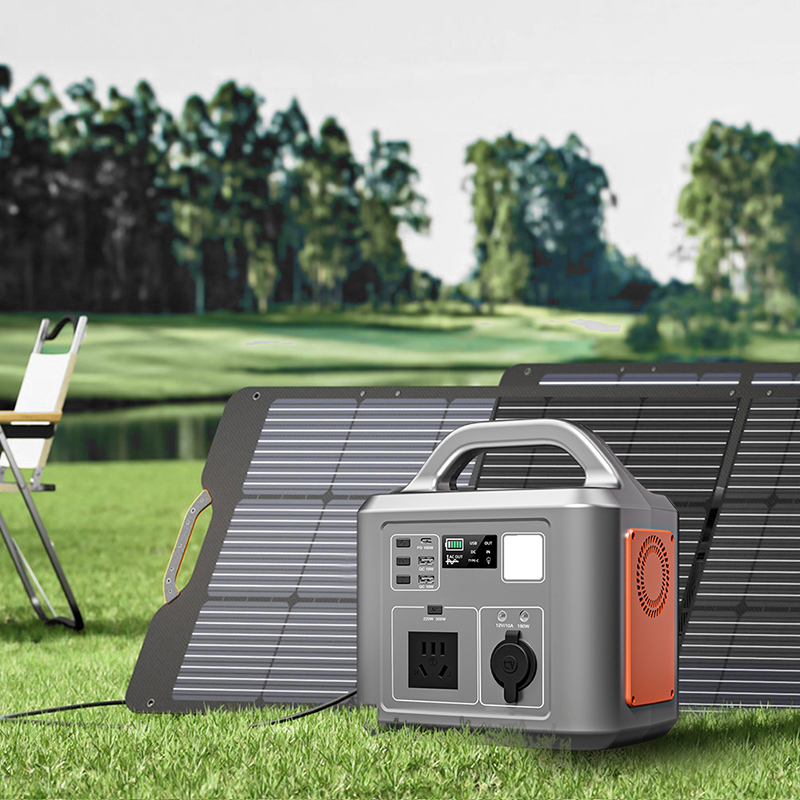
Our extensive product portfolio features household energy storage systems, industrial and commercial energy storage cabinets, energy storage containers, super capacitor jump starters, portable power stations, truck lithium batteries, and specialized furniture batteries. By combining localized engineering support with vertically integrated production, we supply stable power solutions globally.
Advanced Automation and Integrated Material Logistics in Southern China's Tech Hub
Modern battery pack production requires high precision, clean manufacturing environments, and consistent quality control. Operating in Shenzhen and Dongguan, ELITE POWER leverages a mature regional battery component ecosystem to maintain a highly resilient supply chain.
Fully automated module assembly lines utilize high-precision CCD vision alignment and robotic laser welding systems. This ensures consistent wire bonding and low internal resistance across connections.
We maintain dry rooms with dew points below -40°C for cell matching and final integration. This prevents moisture ingress, which can lead to accelerated aging and side reactions within the battery chemistry.
Our presence in Dongguan and Shenzhen links our production directly to key ports and component vendors, reducing transport times for raw components and lowering shipping overheads for finished battery packs.
Systemized Operations, Global Partnerships, and Proven Technical Standards
ELITE POWER maintains robust quality control systems, holding ISO 9001:2015 Quality Management and ISO 14001:2015 Environmental Management certifications. In 2022, we established a strategic partnership with US collaborators to develop solar-plus-storage markets, focusing on residential energy storage, commercial microgrids, and heavy truck parking battery applications.
From Multi-Megawatt Industrial Arrays to Low-Voltage Smart Furniture Integration
High-capacity battery designs must be engineered to meet the unique mechanical, electrical, and thermal requirements of their operating environment. Below are the primary application sectors served by ELITE POWER's custom engineering division:
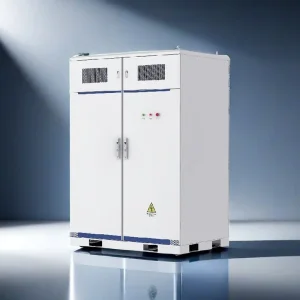
Industrial operations deploy high-capacity batteries to shave peak load demands, avoid demand charges, and secure clean backup power. Our 215 kWh energy storage cabinets feature liquid cooling, integrated fire suppression, and smart BMS units that interface directly with commercial grid management systems.
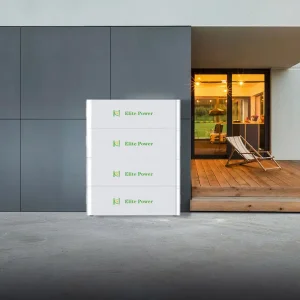
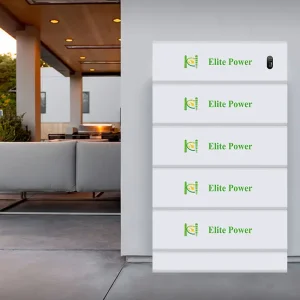
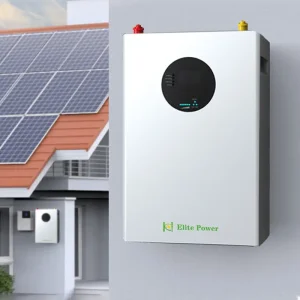
Residential homes utilize stackable and wall-mounted energy storage systems (10.24 kWh to 20.48 kWh designs) to store excess solar energy. These systems operate as reliable emergency backups, switching to offline battery power in under 10 milliseconds during grid outages.
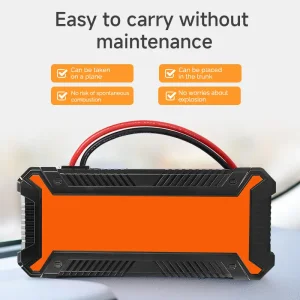
Logistics operators deploy specialized high-capacity lithium batteries for auxiliary truck climate systems, reducing engine idling times and saving fuel. For heavy starting requirements, we provide 12V 500F supercapacitor starters that deliver high cranking power even in cold weather conditions.
Integrating electronics into modern home furniture requires compact, reliable battery solutions. Our 2500mAh and 5000mAh low-voltage battery packs fit neatly within recliners, adjustable beds, and smart workstations, providing long cord-free runtime and meeting home safety standards.
Engineering Details and Sourcing Support for Systems Integrators
 ELITE POWER