Explore our premium OEM/ODM power architecture, custom battery systems, and specialized charging electronics manufactured for enterprise clients worldwide.
Analyzing the convergence of energy harvesting technology, outdoor telematics, and off-grid mobile architecture.
The global telecommunications and mobile device landscape is undergoing a fundamental structural transformation. As mobile computing requirements shift toward high-performance multi-core processors, 5G NR NR-DC connectivity, and edge AI inferencing, real-time power consumption has reached unprecedented levels. Concurrently, the operational footprints of enterprise mobile workforces, humanitarian field units, defense logistics, and outdoor exploration teams are expanding further into remote, off-grid environments. In response to these operational challenges and environmental ESG imperatives, ODM Solar Charging Phone Manufacturers & Factories have emerged as critical innovators, delivering self-sustaining mobile hardware platforms powered by embedded photovoltaic technology.
Modern solar charging mobile phones are no longer novelty consumer gadgets. Today, they represent highly engineered micro-power generation systems. By integrating advanced monocrystalline, gallium arsenide (GaAs), or flexible thin-film solar cell structures directly into the device enclosure, contract manufacturers empower global brands to supply field-ready equipment that harvest ambient energy continuously. Whether deployed in equatorial industrial operations or polar research missions, these devices overcome the inherent vulnerabilities of traditional lithium-ion battery depletion.
Inside the sophisticated power management and material chemistry of modern solar-powered smartphones.
Utilizing N-type TOPCon and PERC monocrystalline silicon cells offering up to 24.2% energy conversion efficiency. Custom optical anti-reflective coatings ensure maximum photon absorption even under low-angle diffuse light conditions.
Embedded Maximum Power Point Tracking (MPPT) Integrated Circuits dynamically optimize voltage and current matrixes in real time, maximizing solar energy transfer into internal lithium-polymer battery packs under fluctuating thermal environments.
Engineered with drop-proof TPU overmolding, structural titanium chassis reinforcement, and optical Gorilla Glass Victus insulation to withstand extreme shock, thermal shock, and submersion.
Integrates multi-layer graphite dissipation sheets and vapor chamber (VC) liquid cooling to prevent thermal throttling of both processor and battery cell during active outdoor direct-sunlight charging.
Dual Power Delivery (PD) controllers support ultra-fast 65W/100W wired charging back-up while maintaining continuous trickle harvesting via solar pathways without cycle degradation.
Modular housing tailored for specialized corporate branding, RFID/NFC scanning add-ons, satellite connectivity antennas, and specialized industrial hardware integration.
How solar-enabled mobile terminals drive operational continuity across demanding global sectors.
Geological mapping teams and forestry managers routinely operate outside cellular grid ranges and power utility networks for weeks at a time. Solar charging phones equipped with embedded GPS/GLONASS/Beidou receivers and satellite messaging capabilities ensure unbroken communication lines. The ability to generate functional energy directly from ambient solar irradiance eliminates the payload weight of excessive external power banks.
During natural disasters or combat operations, municipal electrical grids are often compromised. Solar charging devices provide first responders and defense personnel with autonomous communication devices that remain operational indefinitely. The high-durability enclosures ensure resistance against dust, mud, torrential rain, and drop impacts.
In developing regions across Africa, Southeast Asia, and Latin America, electrical power infrastructure can be intermittent or unavailable. B2B telecom distributors leverage custom ODM solar phones to offer affordable, self-charging mobile terminals to local populations, fostering digital inclusion without requiring grid investments.
Heavy machinery operators and mining engineers work in intense physical conditions. Solar phones integrated with barcode readers, thermal cameras, and ruggedized mounting systems provide seamless telemetry transmission while self-replenishing energy whenever exposed to ambient working light.
Unmatched efficiency, deep component supply chains, and rapid NPI processes.
Global procurement directors choose Chinese manufacturing ecosystems—specifically concentrated within the Shenzhen and Dongguan technological clusters—due to the unmatched efficiency of localized supply chains. From raw silicon wafer processing to precision Surface Mount Technology (SMT), cleanroom optical bonding, and automated testing, China's factory infrastructure accelerates product developmental lifecycles dramatically.
ELITE POWER & GRACE DEVELOPERS CO., LIMITED: Pioneering Green Energy & Solar Solutions
 ELITE Experience
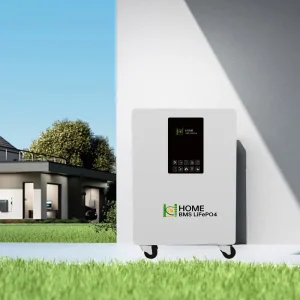
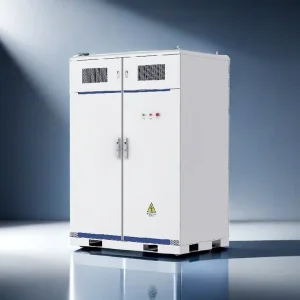
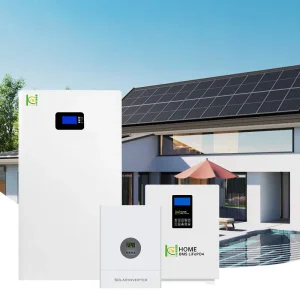
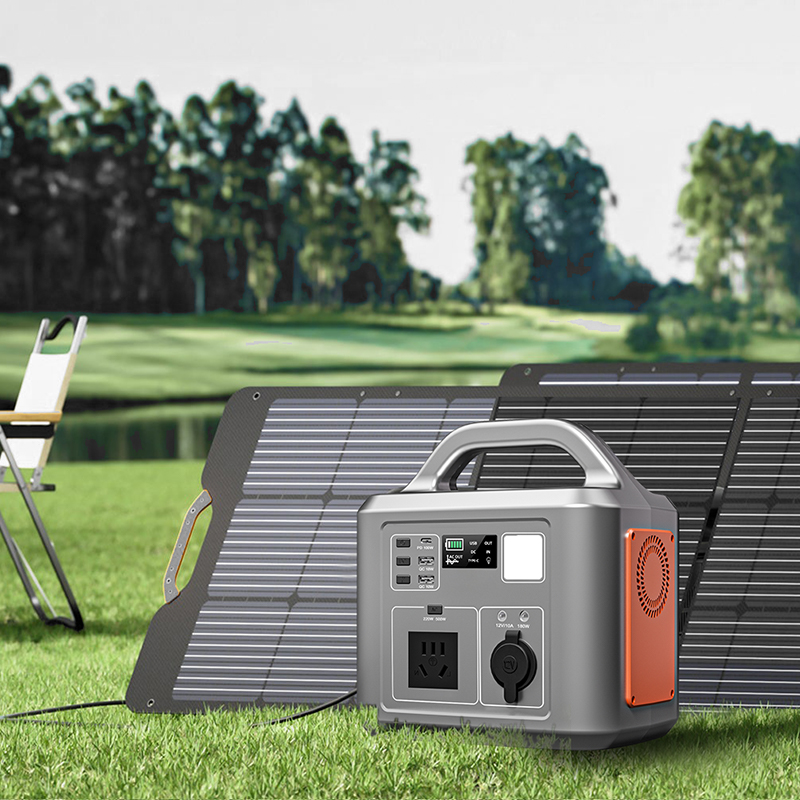
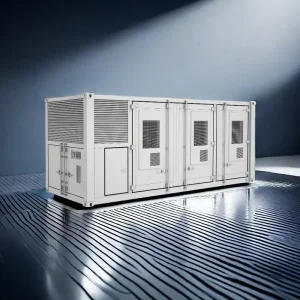
ELITE POWER, It is a subsidiary of GRACE DEVELOPERS CO., LIMITED. We have branches in Hong Kong, Shenzhen and Dongguan, China. As a new energy production enterprise integrating scientific research, design, manufacturing and sales, we focus on intelligent green new energy storage solutions. Our products include household energy storage systems, industrial and commercial energy storage cabinets, energy storage containers, super capacitor jump starters, portable power stations, truck lithium batteries, furniture batteries, and so on.


From initial design concept to international compliance certification and volume shipping.
In-depth technical alignment covering solar cell specifications, battery pack capacities, PCB layouts, SoC selections, operating environment parameters, and target target cost structures.
3D mechanical enclosure rendering, thermal simulation modeling, solar panel optical integration, and initial rapid 3D sample printing for physical ergonomics testing.
Precision steel mold fabrication for rubber/plastic injection, SMT stencil creation for high-density PCBA, and prototype assembly within ESD-protected cleanroom lines.
Subjecting prototype units to drop tests, thermal cycling (-40°C to +85°C), solar conversion rate verification, salt spray corrosion, and full IP68 water immersion validation.
Execution of formal testing protocols for international export compliance, securing CE, FCC, RoHS, UN38.3, IEC62133, and MSDS safety accreditations.
High-volume automated assembly, 100% full-function aging test cycles, custom OEM box packaging, and coordinated sea/air freight deployment globally.
Next-generation technological roadmaps defining the next decade of mobile green power harvesting.
As micro-photovoltaics advance rapidly, several key tech trends will define the next generation of solar mobile hardware:
Key technical and commercial inquiries for corporate buyers and hardware brand managers.
We utilize premium N-type TOPCon and monocrystalline solar cells providing a baseline conversion efficiency between 22.5% and 24.2%, optimizing power generation in compact smartphone form factors.
Our ODM designs incorporate advanced vapor chamber (VC) heat pipes, thermal insulation barriers between the photovoltaic panel and battery cell, and hardware thermal cut-offs at 55°C to preserve long-term battery cell health.
Standard OEM branding projects start at 1,000 units. Deep ODM projects involving custom mechanical tooling and PCBA re-engineering typically start at 3,000 to 5,000 units depending on specifications.
Yes. Our industrial rugged phone variants are engineered to meet IP68, IP69K, and MIL-STD-810H certifications, resisting water submersion, dust penetration, extreme drop impacts, and high-pressure steam jet cleaning.
We handle complete global compliance management, delivering CE, FCC, RoHS, REACH, UN38.3, MSDS, and IEC battery certifications required for smooth customs clearance in North America, Europe, and Asia-Pacific.
Absolutly. Our ODM design team specializes in modular hardware integration, including 1D/2D Zebra barcode engines, FLIR thermal imaging modules, RFID/NFC readers, and dedicated Push-To-Talk (PTT) radios.
Initial prototyping takes 15-20 business days. Steel mold tooling requires 30-40 days. Once sample approval is finalized, mass production runs are delivered within 35 to 45 calendar days.
While maximum wattage occurs under direct sunlight (1000W/m²), our micro-MPPT ICs maintain low-light trickle charging under diffuse daylight or ambient light, maintaining system standby power.
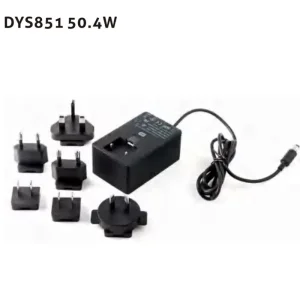
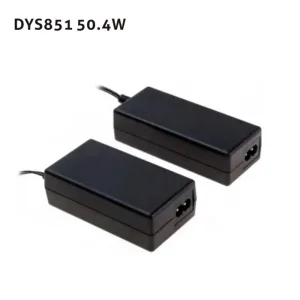
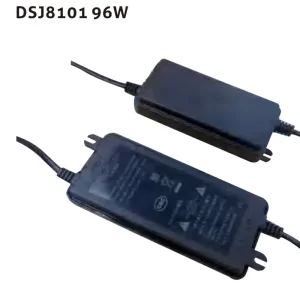
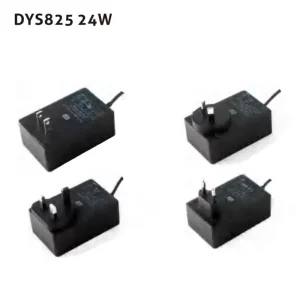
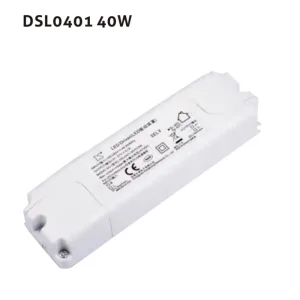
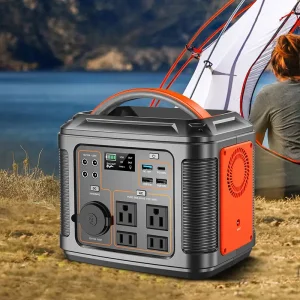
Discover our comprehensive catalog of commercial energy storage systems, chargers, and custom power adapters.
 ELITE POWER