Explore our core engineering capabilities across advanced energy storage, battery chargers, and specialized power systems.
The global transition to decentralized clean energy storage, fleet electrification, and uninterruptible backup power has changed the role of battery maintenance technology. Standard consumer-grade chargers are no longer sufficient for complex industrial operations. Today's commercial applications require precision micro-processor battery trickle chargers (also known as smart maintenance chargers or float chargers) to protect high-value assets and ensure continuous system readiness.
A battery trickle charger supplies a low, continuous electrical charge to offset natural self-discharge and counteract chemical degradation over long periods of storage or idle stand-by. For large-scale fleets, backup telecom stations, emergency response vehicles, and renewable micro-grids, maintaining batteries at optimal capacity is critical to operational success. Uncontrolled self-discharge leads to sulfation in lead-acid batteries and cathode degradation in lithium-ion systems, resulting in premature failure, lost productivity, and increased replacement costs.
ELITE POWER is a subsidiary of GRACE DEVELOPERS CO., LIMITED. With operations spanning Hong Kong, Shenzhen, and Dongguan, China, we are an integrated clean energy enterprise focusing on scientific research, engineering design, lean manufacturing, and global sales.
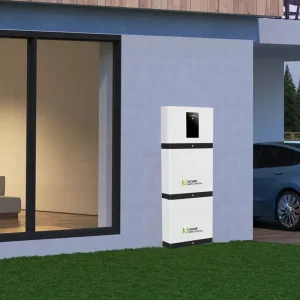
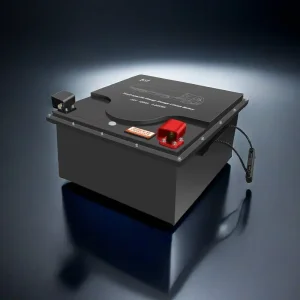
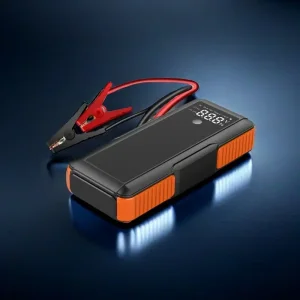
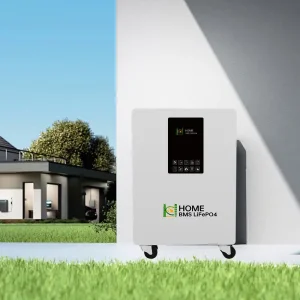
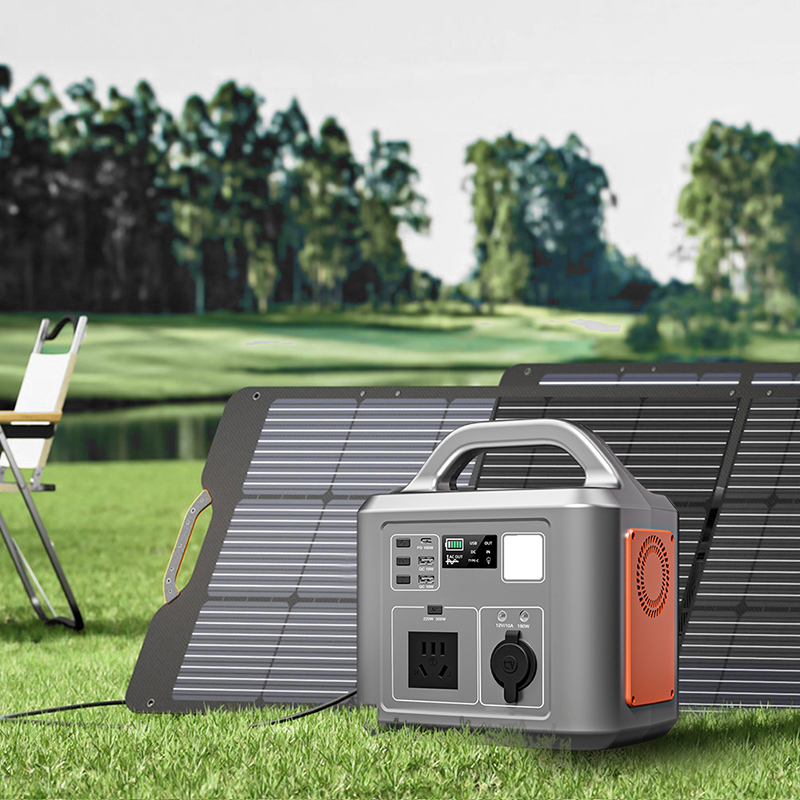
We focus on intelligent green new energy storage solutions. Our product range includes household energy storage systems, industrial and commercial energy storage cabinets, energy storage containers, supercapacitor jump starters, portable power stations, truck lithium batteries, and furniture batteries. Our cross-disciplinary engineering teams design charging systems that integrate with various lithium and lead-acid battery chemistries.
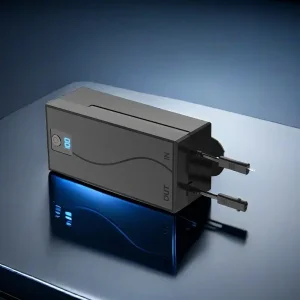
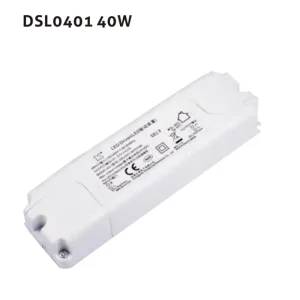
Through our global supply chain and strict manufacturing processes, we provide customizable OEM and ODM services. This ensures that every battery trickle charger, power supply, and energy storage system meets international safety, efficiency, and environmental standards.
Our commitment to quality management systems, international certifications, and strategic global partnerships.

We operate with honesty and transparency in all our business relationships and engineering commitments.

We work to advance clean energy technology, developing high-efficiency circuits and smart charging algorithms.

We strive for detail in everything we do, from early R&D prototyping to final system stress testing.

We build long-term, mutually beneficial partnerships with distributors, OEMs, and industrial end-users.
Key technical shifts driving next-generation battery maintenance systems globally.
Modern trickle chargers have evolved into digital maintenance systems. Integrated microcontrollers read battery voltage, internal resistance, and ambient temperature to deliver dynamically adjusted charging currents. This prevents overcharging and thermal runaway.
Legacy systems supported only standard lead-acid cells. Today's industrial applications use multiple chemistries, including AGM, Gel, Calcium, LiFePO4, and Lithium Titanate (LTO). Intelligent chargers auto-detect chemistry and apply specific charging profiles.
In large industrial facilities and commercial fleets, remote oversight is critical. Integration with Modbus, CAN bus, Bluetooth, or Wi-Fi allows operators to monitor state-of-health (SoH) and state-of-charge (SoC) parameters remotely via centralized control dashboards.
The engineering architecture behind our customizable smart charging and power platforms.
To ensure high reliability, Elite Power's OEM trickle charger and power supply configurations use a Multi-Stage Smart Charging Algorithm. This design balances fast recovery with long-term float stability. The standard implementation uses a 7-stage cycle tailored for specific chemistries:
Applies high-frequency voltage pulses to break down lead sulfate crystals in older lead-acid batteries, restoring electrolyte balance.
Gradually introduces charging current to protected cells, preventing high initial current spikes that could damage compromised plates.
Delivers the maximum safe rated current until the battery reaches approximately 80% capacity, optimizing recovery speed.
Taper-down phase that holds voltage steady while lowering current to achieve 100% capacity, followed by a low-voltage maintenance float.
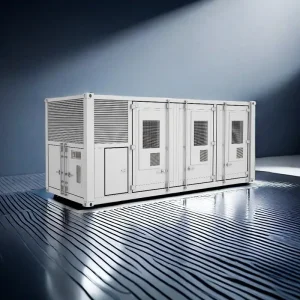
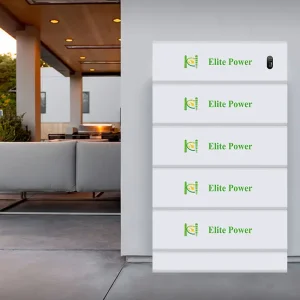
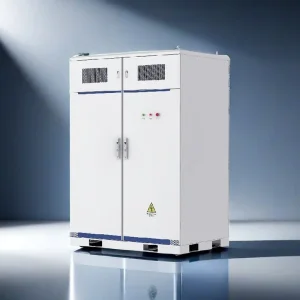
Industrial installations require integrated setups where trickle chargers work alongside primary energy storage units. For example, our OEM Commercial Energy Storage Cabinets (215KWH) and 1MWH-2MWH Energy Storage Containers feature dedicated low-amp maintenance circuits. These circuits ensure auxiliary battery banks—used for generator startup and control electronics—remain fully charged even during long standby periods.
This integrated design is also used in transport logistics. In heavy-duty truck shipping, our strategic work in Truck LiFePO4 Stop and Exchange Batteries incorporates onboard trickle charging systems powered by solar or alternator bypass circuits. This configuration keeps primary start-up power available in cold environments and during long engine-off shifts.
How our custom-tailored charging technologies perform across different global environments.
In regions with cold winters, like North America and Northern Europe, vehicle fleet operators face high rates of lead-acid and lithium battery failure. Our smart trickle chargers feature temperature-compensated charging, automatically increasing output voltage at low temperatures to overcome electrolyte resistance and prevent undercharging.
Humid, salty coastal air can corrode charging electronics. Using our expertise in IP67 Waterproof Power Supplies, we manufacture sealed, epoxy-potted trickle chargers. These units resist salt fog, water spray, and dust intrusion, making them suitable for marine engine bays and offshore generator enclosures.
Remote telecom installations depend on 48V battery arrays to prevent network outages during grid failure. Our rack-mounted OEM battery chargers supply a clean, low-ripple float voltage. This keeps the standby backup system ready without generating electromagnetic interference (EMI) that could affect communications equipment.
Answers to common engineering and procurement questions regarding trickle chargers.
Browse our complete range of clean energy storage systems, custom adapters, and charging components.
 ELITE POWER