In today's highly integrated global supply chain, power delivery is the lifeblood of technological infrastructure. For multinational corporations, original equipment manufacturers (OEMs), and procurement managers, navigating the labyrinth of global electrical standards is not merely a technical necessity—it is a critical compliance and logistics priority. The variation in plug types, voltage metrics, and frequency cycles across continents requires complex engineering solutions at the design phase.
Electrical distribution systems worldwide operate on diverse engineering architectures. While North and Central America rely heavily on 120V / 60Hz configurations, Europe, Asia, and much of Africa utilize 230V / 50Hz systems. These structural variations led to the development of the standardized international system of plug types, classified from Type A through Type N. Selecting the correct plug standard is essential for ensuring functional compatibility, thermal safety, and regulatory compliance.
From commercial IT infrastructure to heavy-duty industrial installations, the design requirements of power supplies differ greatly. The challenge for an OEM factory lies in producing power systems that accommodate these diverse plug formats without compromising manufacturing efficiency. Developing interchangeable plug systems, modular power cords, and intelligent universal power supplies has become the standard for modern industrial manufacturers.
An engineering-grade understanding of global standards is necessary to prevent terminal failures, over-current damage, and regulatory friction. Below is a breakdown of the primary plug classifications utilized in key economic centers globally.
| Standard Type | Primary Regions | Voltage & Frequency | Max Current Rating | Physical Specification & Safety Features |
|---|---|---|---|---|
| Type A / B (NEMA 1-15 & 5-15) | United States, Canada, Mexico, Japan | 120V / 60Hz | 15A (Typical) | Flat parallel pins; Type B includes a round grounding pin. Polarized for enhanced safety. |
| Type C / E / F (Europlug & Schuko) | European Union, South Korea, Russia | 230V / 50Hz | 16A | Round pins. Schuko (Type F) features side grounding clips and recessed design. |
| Type G (BS 1363) | United Kingdom, Singapore, UAE, HK | 230V / 50Hz | 13A | Rectangular pins. Features internal safety shutters and an integrated cartridge fuse. |
| Type I (AS/NZS 3112) | Australia, New Zealand, China, Argentina | 230V / 50Hz | 10A / 15A | Flat angled pins forming an inverted 'V'. Active, neutral, and grounding configurations. |
| Type N (NBR 14136) | Brazil, South Africa (partial) | 127V/220V / 60Hz | 10A / 20A | Three round pins in a line, with a raised center grounding pin. Insulated pin sleeves. |
For specialized industrial environments—such as medical facilities and data centers—standards are even more stringent. Hospital-grade power supply cords (such as the green-dot NEMA cords in the US) require higher durability and lower leakage currents. In contrast, heavy industrial applications require multi-phase power distribution units (PDUs) capable of handling high amperage and voltage fluctuations.
As global demand for highly specialized power electronics grows, China’s industrial ecosystem remains at the forefront of OEM and ODM manufacturing. Industrial hubs in Shenzhen, Dongguan, and the broader Greater Bay Area provide unmatched vertical integration, from raw copper processing to advanced automated testing.
Modern Chinese power supply factories utilize high-speed surface mount technology (SMT) and automated terminal crimping. This reduces human error, increases throughput, and guarantees uniform electrical resistance across production batches.
Top OEM factories implement strict test sequences. Units undergo automated optical inspection (AOI), high-potency insulation testing (Hi-Pot), functional burn-in testing, and electrostatic discharge protection audits to ensure reliability.
With specialized tooling facilities nearby, OEMs can quickly create new outer enclosures, modify cable strain reliefs, and adapt plug interfaces within days, compared to weeks in other markets.
Chinese supply chains benefit from a highly integrated network of raw material providers. Sourcing high-purity copper, high-grade flame-retardant polycarbonate housing plastics, and precision terminal pins occurs locally, reducing lead times and transportation costs. This efficiency translates directly into cost advantages and increased agility for global procurement teams.
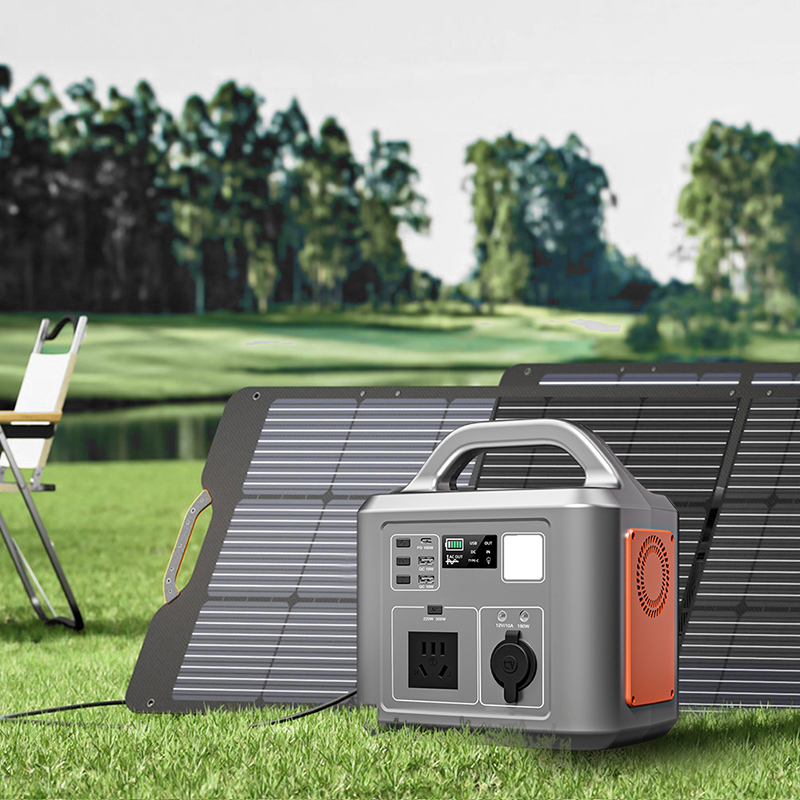
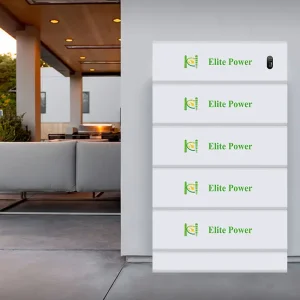
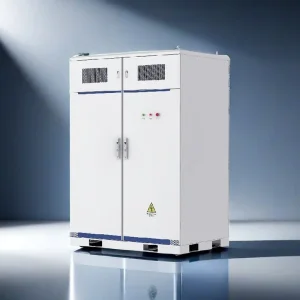
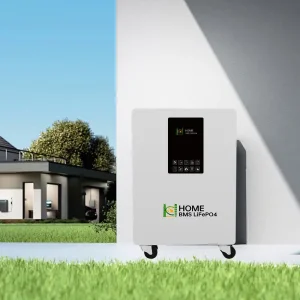
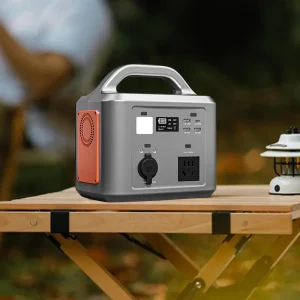
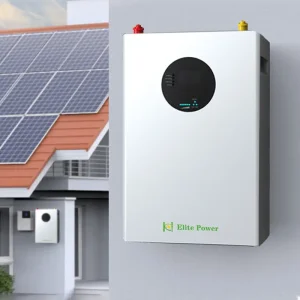
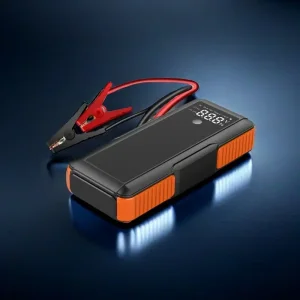
ELITE POWER is a subsidiary of GRACE DEVELOPERS CO., LIMITED, with branches in Hong Kong, Shenzhen, and Dongguan, China. As an advanced energy enterprise integrating scientific research, design, manufacturing, and sales, we focus on smart, green energy storage solutions. Our capabilities extend across household energy storage systems, industrial and commercial energy storage cabinets, containerized energy solutions, supercapacitor vehicle starters, portable power stations, heavy truck auxiliary batteries, and custom furniture power accessories.
We operate at the intersection of energy storage and power delivery. We ensure that our high-capacity battery units and power supplies comply with global plug, socket, and voltage specifications, allowing for seamless integration into international systems.


Our manufacturing facilities operate under strict quality management and environmental safety protocols, certified to ISO 9001:2015 and ISO 14001:2015 standards. In 2022, we signed a strategic cooperation agreement with partners in the United States to develop the integrated optical solar storage and EV charging market. This partnership focuses on supplying advanced home energy storage, utility-scale commercial cabinets, and heavy-duty truck auxiliary systems.
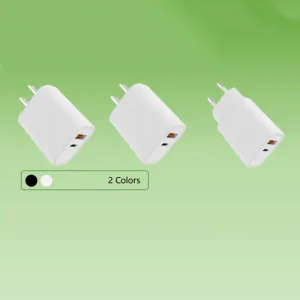
Because we design and manufacture both the energy storage systems and their primary charger interfaces, we understand how to configure products for diverse regional grids. From the input characteristics of a 65W USB-C PD power adapter to high-capacity commercial energy storage cabinets, our engineers ensure every electrical link is designed for safety and efficiency.
Power supplies and plug standards are not one-size-fits-all. Different industries require specialized technical configurations to maintain uptime and ensure safety.
Medical systems require low leakage current and high dielectric isolation. Our medical-grade wall-plug-in and desktop power adapters meet stringent IEC 60601-1 safety requirements, protecting both operators and patients.
Commercial and Industrial (C&I) environments demand heavy-duty grid connectivity. We supply custom connection lines and safety disconnect interfaces designed for large-scale energy cabinets, protecting them from voltage spikes.
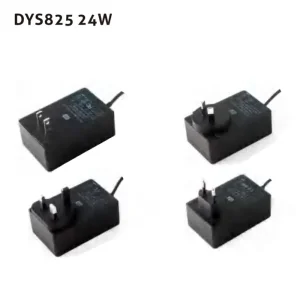
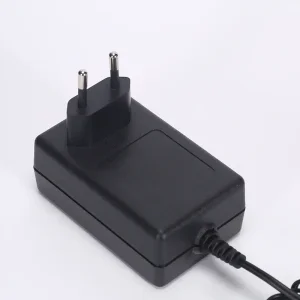
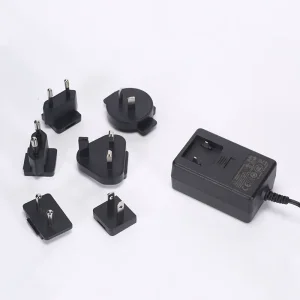
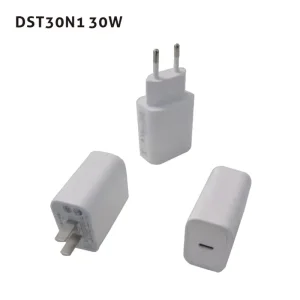
With the rise of USB-C PD protocols, interchangeable wall plugs have become standard for consumer electronics and mobile equipment. Our adapters feature swappable Type A, C, G, and I heads, simplifying global retail distribution.
The global power supply industry is undergoing a significant transition driven by regulatory changes, sustainability goals, and technological advancements.
Universal charging standards are reducing the need for region-specific AC adapters. By separating the wall plug from the power adapter through standard USB-C outputs, OEMs can ship a single charging unit globally, only changing the low-cost AC cable or plug adapter. This minimizes electronic waste, lowers packaging weight, and simplifies inventory management.
Industrial power connections are increasingly incorporating digital monitoring capabilities. Smart plugs and intelligent power distribution units (PDUs) now feature embedded sensors that monitor current draw, temperature, and insulation quality in real time. This telemetry allows facility managers to prevent overheating and schedule maintenance before failures occur.
Global markets are enforcing stricter compliance laws, such as RoHS (Restriction of Hazardous Substances) and REACH. OEMs must ensure that power cords, plug terminals, and structural plastics are free of lead, mercury, cadmium, and specific flame retardants. Additionally, using halogen-free cables is becoming standard in public transit and office buildings to reduce toxic gas emissions in the event of a fire.
For the United States, power adapters must meet safety standards through Nationally Recognized Testing Laboratories (NRTL) like UL (typically UL 62368-1 for IT equipment or UL 60601-1 for medical devices) and FCC Part 15 for electromagnetic compatibility. For the European Union, the CE mark is mandatory, indicating compliance with the Low Voltage Directive (LVD) and Electromagnetic Compatibility (EMC) regulations, along with RoHS and Ecodesign efficiency standards.
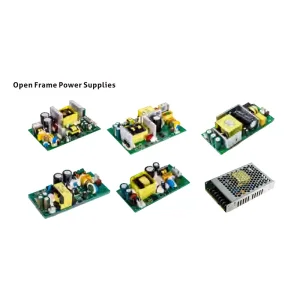
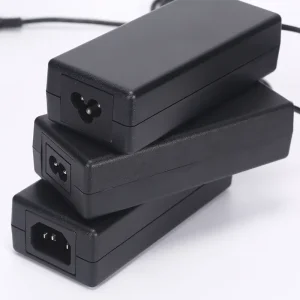
Factories optimize production by separating the power supply unit (PSU) from the regional power cord. The PSU is typically designed with a standard IEC 60320 receptacle (such as C8, C14, or C20). The appropriate regional power cord (e.g., NEMA 5-15 to C13 or Schuko to C13) is then packaged with the unit based on the destination market, streamlining logistics and manufacturing processes.
Polarized plugs (such as Type A/B designs with one wider blade) are designed to connect the device to the hot and neutral wires in a specific orientation. This ensures that the device's internal switch and fuse are located on the hot conductor, reducing the risk of electric shock when the device is plugged in. Non-polarized plugs (like the Type C Europlug) can be inserted in either orientation, relying instead on double-insulated device designs for safety.
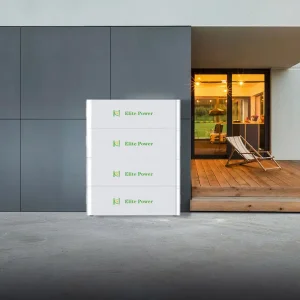
Large-scale systems, such as stackable home batteries and C&I cabinets, utilize smart inverters. These inverters detect the grid's voltage (e.g., split-phase 240V in the US vs. single-phase 230V/three-phase 400V in the EU) and frequency (50Hz vs. 60Hz), adjusting their output parameters to ensure safe, stable grid synchronization.
 ELITE POWER