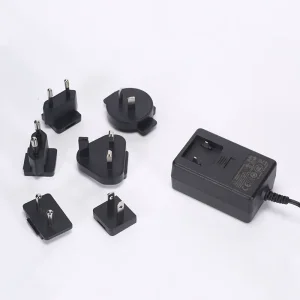
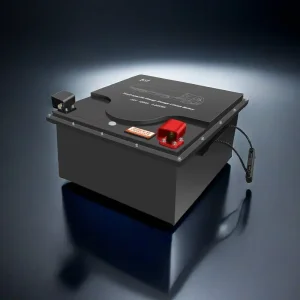
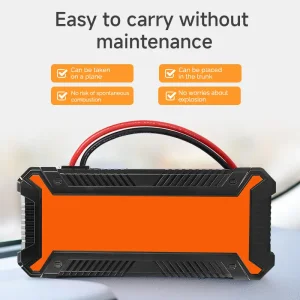
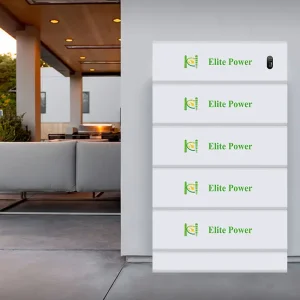
Explore our core integrated power architectures, high-performance battery banks, and specialized power supplies designed for global industrial deployment.
The global shift toward high-energy-density portable electronics and decentralized energy nodes has propelled the demand for high-reliability 3.7V Lithium-ion batteries (including nominal 3.6V/3.7V chemistries terminating at 4.2V). Consequently, the industrial market for corresponding 3.7 V battery chargers is expanding exponentially. These systems are no longer basic consumer accessories; they have transformed into highly critical components within the industrial internet of things (IIoT), portable medical diagnostic instruments, handheld defense communication gear, and micro-mobility fleet management operations.
Historically, supply chains relied on generic charging circuits. Today, enterprise buyers require highly customized, multi-bay, micro-processor-controlled charging docks that integrate seamlessly into complex corporate ecosystems. This shifting procurement dynamic demands that wholesale 3.7 V battery charger factories move away from low-cost, linear-regulated architectures toward highly efficient switch-mode topologies, featuring advanced communication buses like SMBus, I2C, and USB Power Delivery (PD) protocols.
Furthermore, regional safety mandates such as the European Union's CE/RoHS directives, North American UL 60950/2054, and global IEC 62133 standards dictate strict design paradigms. Enterprise purchasers look for wholesale partners that can navigate these regulatory hurdles, ensuring that large-scale field deployments remain free from thermal runaway events, electrical overstress (EOS), and premature cell degradation.
Modern commercial 3.7 V battery chargers utilize precise Constant Current / Constant Voltage (CC/CV) charging algorithms. This mathematical profile ensures the cell is charged as fast as physically possible without exceeding its electrochemical threshold (typically 4.2V ± 50mV). The transition from constant current to constant voltage mode is highly sensitive; poor calibration in low-tier factories leads to cumulative lithium plating, resulting in catastrophic battery life degradation.
Utilizing NTC thermistor inputs, the charger monitors real-time battery pack temperatures. It scales back charge current dynamically if thermals exceed 45°C, preventing safety hazards.
Allows system hardware to run concurrently off the input source while simultaneously recharging the battery, intelligently balancing overall system load current.
Integrated reverse-blocking MOSFETs protect the internal circuitry and the cells from damage in case of accidental incorrect placement or voltage spikes.
The implementation of a 3.7 V battery charger varies wildly by industry. A generic charger fails when subjected to extreme field conditions. Below are specific localized industrial application scenarios where customized charging topologies are mandatory:
Pioneering Intelligent Green New Energy Solutions Across Global B2B Supply Chains.
 ELITE
ELITEELITE POWER is a subsidiary of GRACE DEVELOPERS CO., LIMITED. With our operating branches strategically located in Hong Kong, Shenzhen, and Dongguan, China, we operate at the heart of the world's most advanced electronics supply chain. As an integrated new energy production enterprise, we seamlessly combine scientific research, hardware design, high-volume manufacturing, and global sales channels.
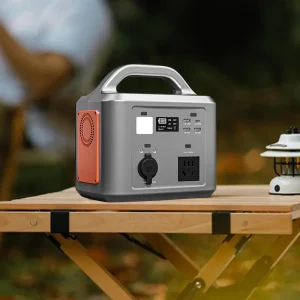
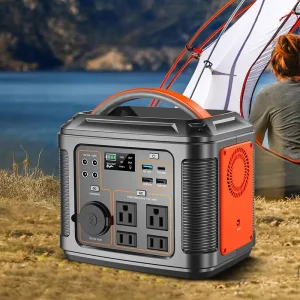
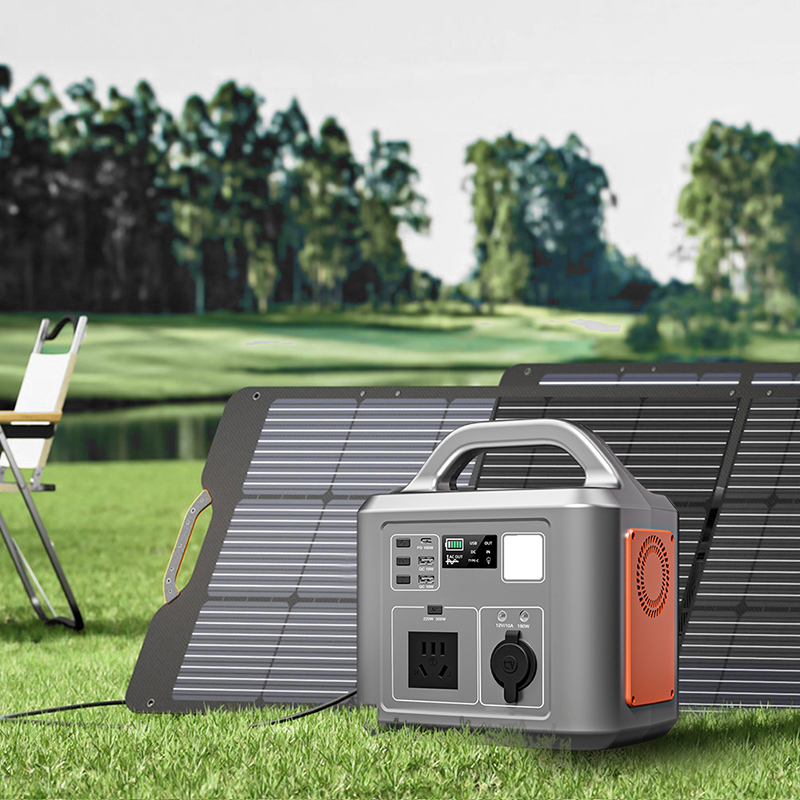
We focus extensively on intelligent green new energy storage solutions. Our comprehensive portfolio spans household energy storage systems, industrial and commercial energy storage cabinets, containerized energy storage solutions, supercapacitor jump starters, lightweight portable power stations, heavy-duty truck lithium batteries, and smart home furniture batteries.
Quality and environmental responsibility form the foundation of our engineering process. We have obtained ISO 9001:2015 (Quality Management System) and ISO 14001:2015 (Environmental Management System) certifications. In 2022, we reached a major milestone by signing a strategic cooperation agreement with key USA partners to comprehensively develop the optical storage and charging system market in the US. This collaboration covers home energy storage, commercial setups, and heavy-duty truck parking batteries with emergency activation systems.


As the battery energy density changes with newer solid-state and silicon-anode cells, 3.7 V battery chargers must adapt. The traditional silicon-based power MOSFETs are reaching their physical limitations in power density and thermal dissipation. Our R&D division is heavily investing in Gallium Nitride (GaN) power architectures.
By leveraging GaN components, our future chargers will reduce their physical footprint by up to 40% while maintaining operational efficiencies exceeding 96%. This allows us to pack multiple high-current 3.7V charging channels into exceptionally compact enclosures without generating extreme operational heat. Additionally, the transition toward Cloud-connected IoT charging ecosystems will enable centralized remote monitoring, predictive degradation reporting, and lifecycle analytics for enterprise device fleets.
Get immediate clarity on certifications, customization options, safety compliance, and factory scaling capabilities.
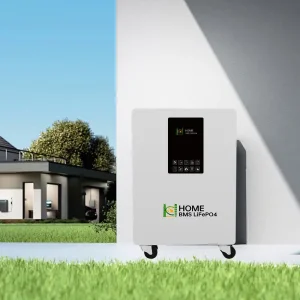
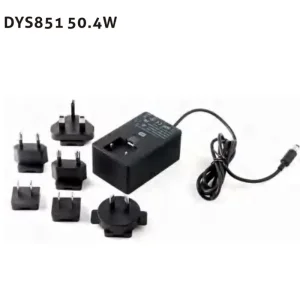
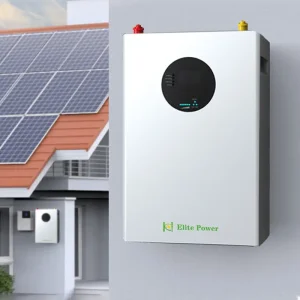
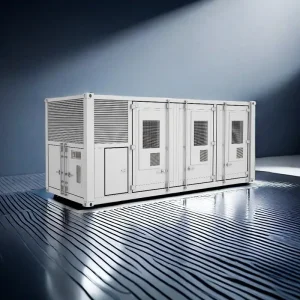
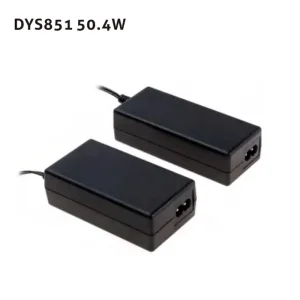
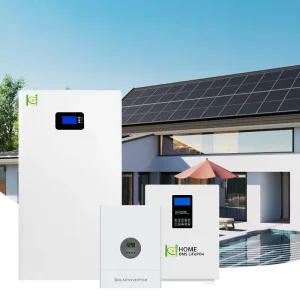
A further look into our catalog, including heavy industrial energy storage containers, wall-mounted residential backup units, and medical power supply solutions.
 ELITE POWER