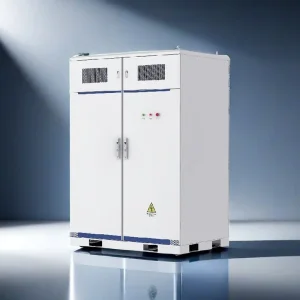
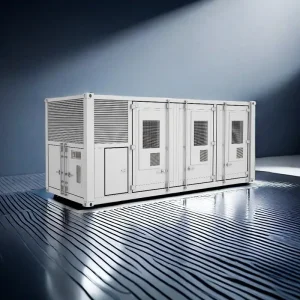
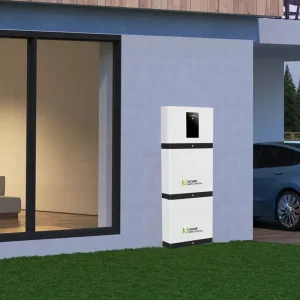
Tailored utility-grade infrastructure engineered to optimize energy arbitrage, frequency control, and industrial peak shaving.
Sweden is globally recognized as a pioneer in decarbonization, targeting 100% renewable electricity production by 2040. However, this aggressive expansion of intermittent wind power in the north (SE1 & SE2 zones) and high consumption in the south (SE3 & SE4 zones) has triggered severe grid bottlenecks (stamnätet) and unprecedented price volatility.
For Swedish heavy industries, pulp and paper manufacturers, data centers, and port operators, Battery Energy Storage Systems (BESS) represent far more than emergency backup. They serve as multi-functional energy assets capable of generating lucrative revenues through ancillary services (FCR-D, FCR-N, and aFRR markets) regulated by Svenska kraftnät, while simultaneously shielding operations from spot price spikes on the Nord Pool exchange.
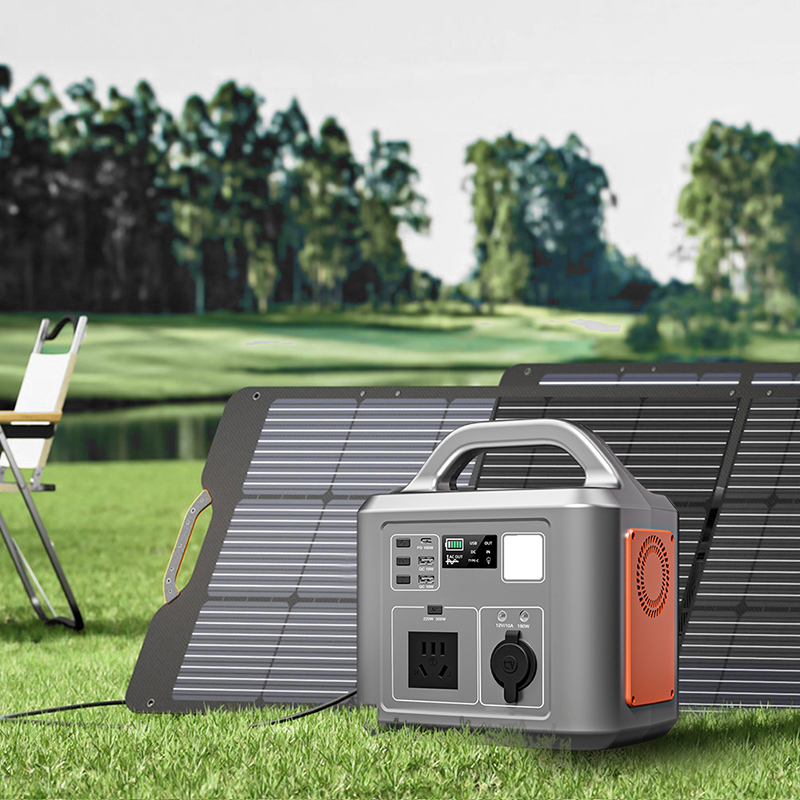
How commercial and industrial operations utilize advanced BESS to secure grid independence and optimize operation expenses.
By qualifying storage capacity for Svenska kraftnät’s frequency control programs, Swedish C&I operations can monetize their standby capacity. Modern lithium iron phosphate (LFP) systems respond within milliseconds to stabilize the grid’s 50Hz frequency, generating a rapid return on investment.
High consumption industries (e.g., manufacturing hubs in Gothenburg or Jönköping) suffer from punishing peak demand penalties. Energy storage buffers these spikes by discharging during periods of maximum throughput, lowering utility grid charges significantly.
As fleet electrification sweeps Sweden, rapid charging terminals require high peak currents that local grids cannot support. Storage containers buffer power locally, enabling logistics hubs to run fast-chargers without overloading grid connections.
Bridging Tier-1 Chinese battery engineering, supply-chain superiority, and stringent Swedish compliance standards.
Elite Power utilizes state-of-the-art automated manufacturing processes based in Shenzhen and Dongguan, ensuring unparalleled cost efficiency, raw material vertical integration, and rapid order execution.
The global transition to lithium iron phosphate (LFP) chemistry has its epicenter in China, which accounts for over 70% of global battery manufacturing capacity. Our factory network allows us to bypass middlemen and pass direct cost benefits to Swedish commercial buyers, ensuring that the Levelized Cost of Storage (LCOS) remains optimized.
By partnering with a localized manufacturer serving Sweden, customers benefit from customizable configurations (such as heating jackets for LFP systems operating in Northern Swedish sub-zero temperatures) coupled with high-volume Chinese manufacturing speeds.
Contact Our Engineering TeamGlobal supply standards backed by strategic US and EU development initiatives.
ELITE POWER is a subsidiary of GRACE DEVELOPERS CO., LIMITED. With key strategic branches located in Hong Kong, Shenzhen, and Dongguan, China, we operate as a modern, high-tech new energy production enterprise integrating scientific research, custom design, manufacturing, and global sales distribution.
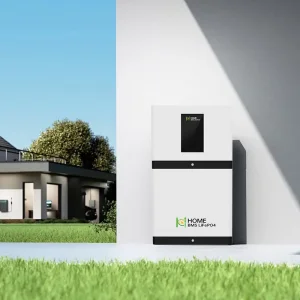
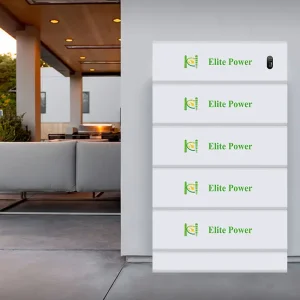
Our focus remains centered on building intelligent, green energy storage solutions that optimize how the world stores and uses power. Our diverse portfolio serves residential, commercial, industrial, and specialized engineering sectors with high-efficiency household energy storage systems, modular industrial and commercial energy storage cabinets, containerized high-capacity grid solutions, supercapacitor jump starters, portable emergency stations, heavy truck starting batteries, and specialized furniture battery systems.


What global buyers and Swedish procurement managers must monitor in the evolving energy landscape.
Modern high-capacity battery containers are transitioning from air-cooled units to liquid cooling systems. Liquid cooling reduces internal temperature variance to under 3°C, extending LFP cell life by up to 20% and improving thermal stability during intense cycling.
Sweden's regulatory bodies and insurance providers demand advanced safety standards. Systems must utilize localized fire-suppression mechanisms (e.g., aerosol or water-based sprinklers, smoke/gas detection systems, and strict conformance to NFPA 855 and European safety guidelines).
Modern C&I installations are no longer static. They integrate dynamic Energy Management Software (EMS) capable of communicating with regional grid operators via OpenADR, allowing automated participation in virtual power plants (VPPs).
Clear technical insights on procuring, deploying, and operating commercial energy storage systems in Sweden.
Yes, Lithium Iron Phosphate (LFP) chemistry can perform outstandingly in cold climates if equipped with appropriate thermal management systems. Our industrial cabinets and containerized storage units come fitted with internal insulation and automated HVAC systems (heating/cooling). These auxiliary heaters draw minimal power to maintain cell temperature above 0°C during charging, ensuring optimal performance and protection against lithium plating even in northern Swedish winter conditions.
Sweden’s TSO, Svenska kraftnät, manages ancillary markets like FCR-D (Frequency Containment Reserve - Disturbance) and FCR-N (Normal). An energy storage system (BESS) can respond to sub-second frequency deviations by absorbing or injection power to/from the grid. C&I operators aggregate their battery capacity through a third-party balancing service provider (BSP) to bid into these markets, generating substantial monthly capacity payouts.
For safe grid interconnection, the system must comply with Swedish grid codes (e.g., EIFS standards) and European directives. Critical product certifications include EN/IEC 62619 for battery cell/module safety, EN 62477 or EN 62109 for the power conversion system (PCS), and CE compliance. Our manufacturing plants maintain ISO 9001 and ISO 14001 structures to guarantee complete alignment with European quality benchmarks.
Liquid cooling is significantly more efficient than air cooling. It allows higher energy density within the cabinet or container and ensures that the temperature variation between cells is minimized. By maintaining uniform temperature, liquid cooling extends battery life, prevents thermal runaway cascade risks, and improves round-trip efficiency during fast charge and discharge cycles.
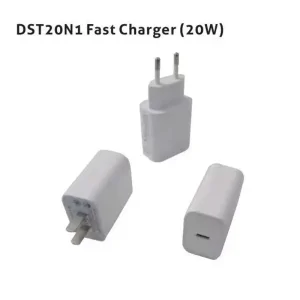
Browse our wide array of home battery configurations, power supply modules, and portable generators suited for Swedish distribution networks.
Speak directly with our energy storage specialists. Get tailored advice, system dimensioning layout, and direct factory pricing for the Swedish industrial and commercial sector.
Send Inquiry Now ELITE POWER