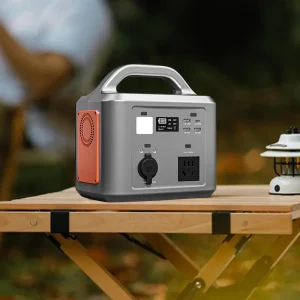
Nepal is globally recognized for its massive hydroelectric potential, with rivers flowing from the Himalayas capable of producing gigawatts of clean energy. However, the country's rugged mountainous terrain, seismic vulnerability, and developing infrastructure present a stark paradox: while national grid connectivity is expanding, localized power stability remains highly fragile. Industrial hubs in districts like Morang, Parsa, Rupandehi, and Kathmandu, along with thousands of high-altitude tourist camps, routinely experience power fluctuations and scheduled load adjustments.
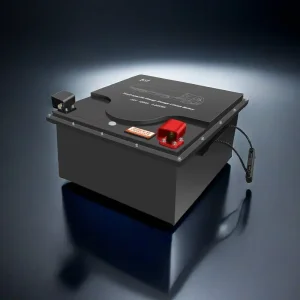
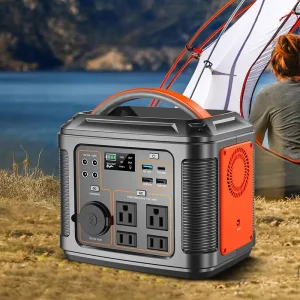
To bridge this reliability gap, B2B procurement of 300W and 600W outdoor portable power stations has emerged as a high-growth sector. Standardizing storage solutions at the 300W–600W range addresses the specific energy requirements of field-level geological surveys, eco-tourism operations, and small-to-medium enterprises (SMEs) operating outside the urban zones. Rather than relying on heavy, emission-heavy diesel generators, local businesses are pivoting toward clean, silent, and highly portable LiFePO4 battery storage.
Tourism is the backbone of Nepal's foreign currency revenue. High-altitude tea houses and remote base camps in the Everest (Solukhumbu) and Annapurna regions are substituting diesel gen-sets with eco-friendly 600W portable power stations. These units charge high-drain equipment like cameras, drones, GPS devices, and satellite phones for international trekking groups, eliminating noise and air pollution in fragile alpine ecosystems.
In rural administrative divisions across Karnali and Sudurpashchim provinces, off-grid healthcare centers rely on portable battery systems. A medical-grade 300W power station provides immediate emergency backup for low-draw diagnostic equipment, electronic health records (EHR) tablets, and portable refrigeration units holding sensitive immunizations and temperature-critical medicine.
Monitoring seismic activities, river levels for landslide warnings, and meteorology data requires persistent, low-wattage electronics. Integrating 300W and 600W power stations at weather monitoring posts ensures telemetric sensors remain operational 24/7, providing continuous data streaming even through severe winter storms and prolonged monsoonal cloud covers.
Evaluating technical variations helps B2B procurement managers select the ideal portable energy architecture for specific deployment requirements across Nepal's diverse geographical zones.
| Performance Metric | 300W Portable Power Station | 600W Portable Power Station | B2B Sourcing Priority / Impact |
|---|---|---|---|
| Nominal Battery Capacity | 250Wh - 300Wh (LiFePO4) | 500Wh - 600Wh (LiFePO4) | Determines runtime duration for continuous workloads. |
| AC Output Waveform | Pure Sine Wave (220V/50Hz) | Pure Sine Wave (220V/50Hz) | Ensures safety and compatibility for sensitive electronics. |
| Surge Capacity (Peak) | 600W Peak Surge | 1200W Peak Surge | Supports initial motor startup spikes for small power tools. |
| Solar Charging Interface | MPPT Built-in (12V-24V / Max 100W) | MPPT Built-in (12V-30V / Max 200W) | Maximizes solar harvest rates under cloud-cover conditions. |
| Weight & Volume profile | Approx. 3.5 kg / Ultra-Compact | Approx. 6.2 kg / Ergonomic Handle | Key variable for logistics across footpaths and mountain passes. |
| BMS Protection Suite | Over-temp, short circuit, low-temp charge | Over-temp, short circuit, low-temp charge | Protects battery cells in sub-zero alpine environments. |
While Nepal has several assembly plants for basic solar panels and lead-acid batteries, the country lacks the high-tech infrastructure required to process lithium cells (LFP), design advanced Battery Management Systems (BMS), and execute high-altitude thermal simulation testing. Therefore, direct factory supply from Shenzhen and Dongguan—the world's premier lithium manufacturing hub—is vital for Nepalese distributors.
Elite Power manages end-to-end supply chain logistics to streamline importing. We leverage optimized overland shipping routes via the Keylong-Rasuwa or Tatopani border crossings, as well as multimodal air transit via Guangzhou directly into Tribhuvan International Airport (KTM). All bulk shipments are protected with Class 9 dangerous goods (UN3480/UN3481) compliance packaging to ensure smooth clearance through customs checkpoints.
Outdoor operations in Nepal demand products that withstand physical impact, high humidity, and extreme temperature variations. Standard consumer-grade power banks degrade rapidly when subjected to sub-zero Himalayan conditions or the intense heat of the southern Terai plains.
As a seasoned manufacturer, Elite Power implements localized modifications for our OEM partners in Nepal:
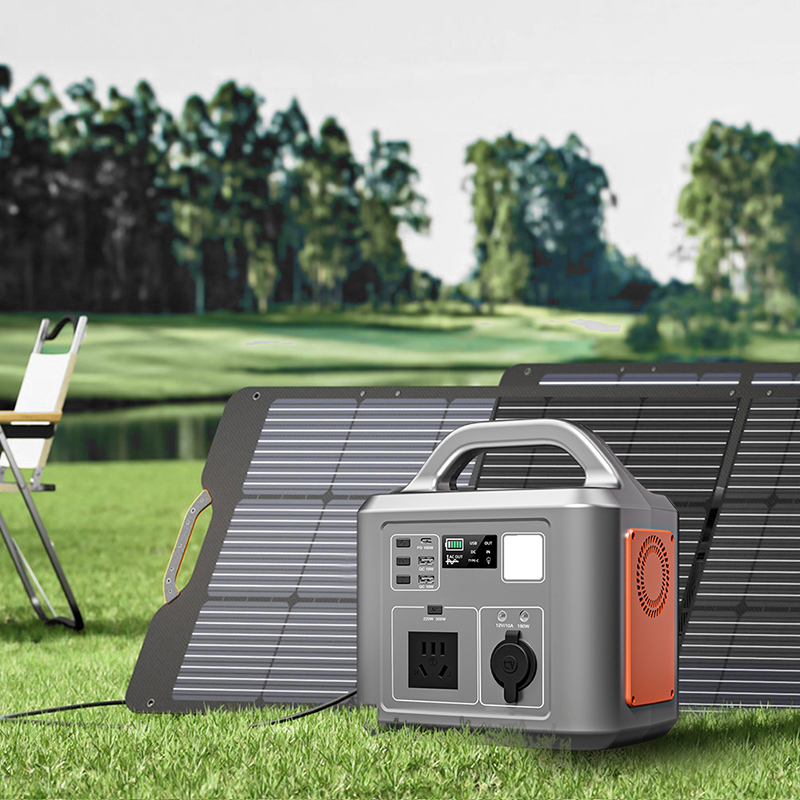
ELITE POWER is a subsidiary of GRACE DEVELOPERS CO., LIMITED. With strategically located branches in Hong Kong, Shenzhen, and Dongguan, China, we operate as a leading-edge clean energy enterprise. We seamlessly integrate scientific research, industrial design, automated manufacturing, and global sales channels to focus on smart, green new energy storage solutions.
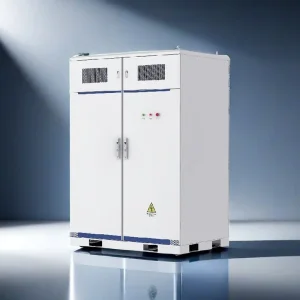
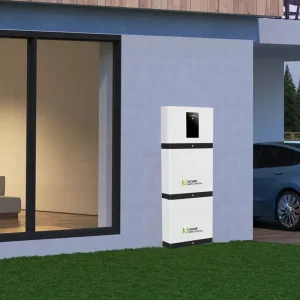
Our comprehensive portfolio covers home energy storage systems, industrial and commercial energy storage cabinets, containerized storage solutions, supercapacitor jump starters, portable power stations (300W to 3600W), heavy truck lithium batteries, and smart home furniture batteries. By utilizing our advanced facilities in China's manufacturing heartlands, we guarantee our B2B partners across Nepal, Central Asia, and North America consistent quality, robust supply chains, and industry-leading design flexibility.
We operate in strict compliance with global quality and environmental frameworks, maintaining certified ISO 9001:2015 (Quality Management) and ISO 14001:2015 (Environmental Management) standards. In 2022, we solidified a strategic partnership with US-based developers to expand energy storage and charging technologies, paving the way for advancements in heavy truck parking batteries and rapid emergency power backup.

We operate with honesty and transparency in all our business dealings.

We push the boundaries of renewable energy technology to create a greener future.

We strive for excellence in everything we do, from product development to support.

We believe that teamwork and true partnership are vital for mutual business growth.
Navigating clean energy imports in Nepal requires a comprehensive understanding of local policies. The Alternative Energy Promotion Centre (AEPC) and the Nepal Bureau of Standards & Metrology (NBSM) enforce specific regulations regarding battery imports to ensure consumer safety and prevent environmental degradation. As a qualified global manufacturing partner, Elite Power ensures that all products are accompanied by necessary certifications, including UN38.3, MSDS, CE, and FCC.
We assist Nepalese importers in utilizing available government initiatives designed to promote renewable energy. By providing clear technical datasheets, certified testing documentation, and transparent bill of lading procedures, we facilitate smooth customs clearance at major entry points such as Birgunj, Tatopani, and Rasuwagadhi.
Our standard manufacturing MOQ for custom OEM/ODM brand runs is 100 units. For initial trial orders or regional distributors testing the Nepalese market, we can provide smaller, flexible batch shipments of 20 to 50 units using our standard casing and neutral packaging configurations.
Our LiFePO4 cells are engineered to operate reliably across a wide temperature range (-20°C to 55°C). While extreme cold reduces temporary capacity efficiency, our advanced Battery Management System (BMS) includes built-in thermal protection to prevent charging when temperatures drop below freezing, protecting the cells from permanent lithium plating damage.
Yes. All units destined for the Nepalese market are configured with pure sine wave inverters outputting 220V–240V at 50Hz. We can customize the AC outlets with universal socket layouts or specific UK/India standard socket styles widely used across Nepal.
We offer extensive customization, including custom housing colors, logo printing, localized user interfaces (LCD screens), specialized charging ports (such as USB-C PD 100W), customized packaging boxes, and tailored user manuals written in multiple languages.
Overland shipping via the Rasuwagadhi border crossing typically takes 15 to 25 days from our factory floor to Kathmandu warehouses, depending on weather and customs clearance. Air freight options via Guangzhou or Chengdu are faster, arriving within 7 to 10 days, though they incur higher shipping costs for battery products.
 ELITE POWER