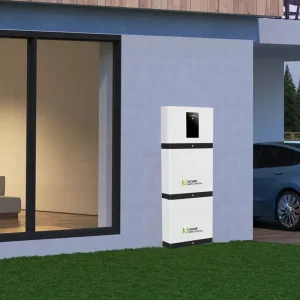
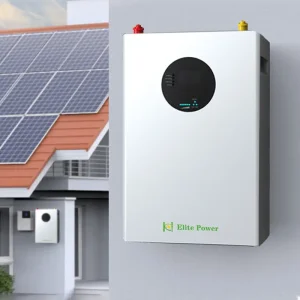
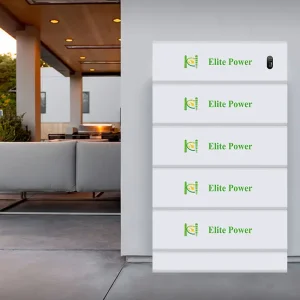
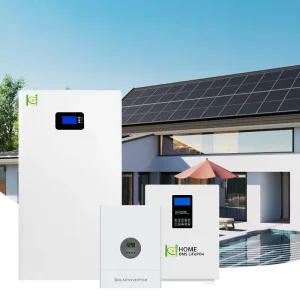
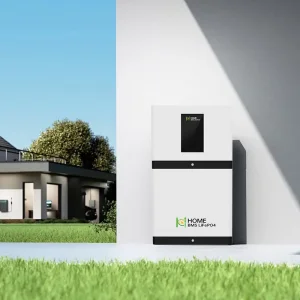
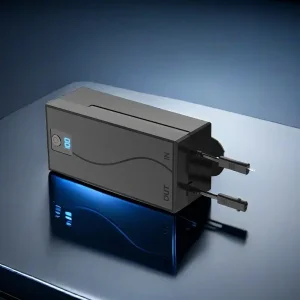
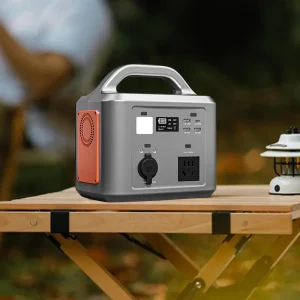
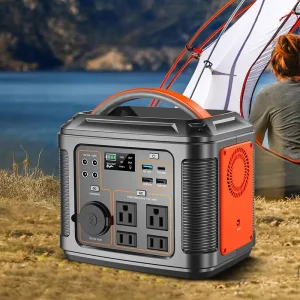
Engineered to deliver grid independence, intelligent load shifting, and ultimate reliability. Secure your energy future with our fully customized, high-density residential storage solutions.
ELITE POWER, a wholly-owned subsidiary of GRACE DEVELOPERS CO., LIMITED, is an industry-leading new energy enterprise integrating scientific research, design, high-precision manufacturing, and global sales. Headquartered dynamically with strategic operating nodes in Hong Kong, Shenzhen, and Dongguan, China, we are localized at the absolute center of the world's battery engineering supply chain. We specialize in developing next-generation intelligent green energy storage systems (BESS), bridging the gap between raw cell performance and ultimate consumer reliability.
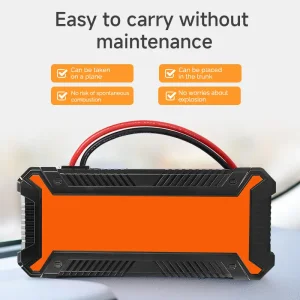
Our expansive production portfolio spans residential energy storage systems, utility-scale industrial and commercial (C&I) energy storage cabinets, containerized high-capacity storage modules, supercapacitor truck jump starters, portable clean energy units, and specialized furniture batteries. By keeping design and manufacturing under one unified roof, we provide international clients with unmatched OEM/ODM agility, competitive pricing, and rigorous quality assurance.
To address the complex regulatory environment of tier-one renewable energy markets, ELITE POWER operates under strict adherence to ISO 9001:2015 (Quality Management System) and ISO 14001:2015 (Environmental Management System) certifications. In 2022, we solidified a monumental strategic cooperation agreement with key USA partners. This alliance enables the deep development of high-performance optical storage and charging systems specifically optimized for the unique constraints of the North American grid. Together, we deploy grid-forming residential battery storage, commercial smart-inverter integrations, and specialized emergency start mechanisms tailored for heavy trucking fleets.


Insights into the procurement criteria, utility demands, and financial metrics guiding worldwide energy deployment.
The global transition toward residential and commercial self-consumption is no longer merely an ecological choice; it is a critical macroeconomic necessity. As utility grids face historical congestion, rising maintenance overheads, and climate-induced outages, grid operators and home builders are turning to distributed energy resources (DERs). Major procurement managers across North America, the European Union, and the Asia-Pacific region demand specific system criteria to qualify manufacturers for large-scale utility and community solar contracts:
Addressing grid instability and peak tariff zones (such as California's NEM 3.0 framework) through smart load management.
Providing space-saving modular energy storage designed specifically to maximize self-consumption efficiency.
Heavy-duty backup solutions optimized for remote agricultural setups, cellular towers, and off-grid facilities.
Our commitment to engineering excellence and technological leadership is defined by this structured progression.
ELITE POWER bridges the gap between raw electrochemical engineering and system-level performance. Our design principles prioritize safety, high energy density, and longevity. We operate on a strict technological roadmap designed to transition from standard LFP configurations to solid-state systems over the next half-decade.
Deployment of proprietary Master-Slave BMS topologies. Implements precise SOX (State of Charge, State of Health) estimation models with +/- 1% accuracy. Real-time protection against over-voltage, under-voltage, over-current, and extreme temperature fluctuations.
Advancing from passive convection to active liquid cooling for commercial storage and phase-change material (PCM) layers for residential batteries. Keeps internal cell temperature differences under 3°C to maximize overall pack lifespan.
Developing onboard micro-inverter communication protocols for direct participation in Virtual Power Plants (VPP). Dynamic adjustment of charging/discharging rates based on real-time grid pricing data and system frequency changes.
R&D investment targeting solid-state lithium chemistry. Aiming to double volumetric energy density, eliminate liquid organic electrolytes, and achieve zero-combustion operation under extreme physical damage testing.
Mitigating cross-border risks through strict legal, regulatory, and mechanical engineering conformity.
Entering regulated markets requires clear, verifiable compliance. ELITE POWER ensures that our products undergo testing at accredited independent testing facilities (e.g., TÜV Rheinland, SGS, Intertek). Our certification roadmap guarantees smooth customs clearances and straightforward grid connection approvals:
Our strategic partnerships allow us to establish localized engineering services in North America and Western Europe. This setup addresses a common issue for international buyers—post-installation technical support.
Through synchronized cloud-monitoring nodes, our service engineers can run remote diagnostics, push OTA (Over-the-Air) firmware updates, and resolve communication mismatches with inverters without requiring onsite technician visits.
Additionally, we offer localized spare-parts distribution models for large-scale developers, ensuring that replacement modules are dispatched within 24-48 hours.
Technical answers to common engineering, procurement, and regulatory integration inquiries.
Explore our industrial-grade charging technologies, safety-certified medical power adapters, and emergency mobility systems designed to match high operational standards.
 ELITE POWER