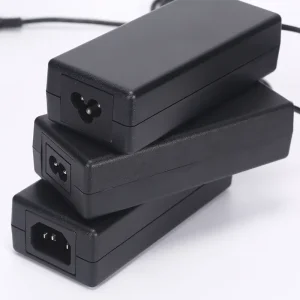
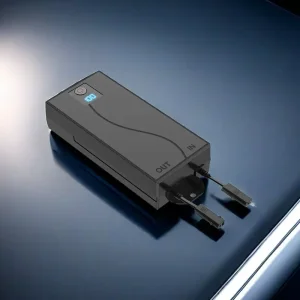
Explore our premium selection of medical power units, external adapters, and smart energy modules designed for robust connectivity systems.
An in-depth analysis of interface standards, chipset innovations, and the necessity of high-reliability OEM manufacturing pipelines.
In the rapidly scaling landscape of enterprise data management, local storage interaction remains a critical bottleneck. OEM USB Hard Drive Adapters serve as the mechanical and electrical conduit between legacy magnetic storage devices, state-of-the-art NVMe Solid State Drives (SSDs), and host computational terminals. As computing systems migrate to standardized USB Type-C interface matrices under USB 3.2 Gen 2x2 and USB4 protocols, the demand for specialized, reliable data conversion architectures has surged exponentially. The bridging hardware must preserve protocol fidelity (UASP, TRIM) while meeting strict thermal dissipation metrics.
Historically, storage-to-USB adapters were basic bridges converting standard Parallel ATA (PATA) or Serial ATA (SATA) signals into USB 1.1 or 2.0 frames. These conversions suffered from high protocol overhead, high physical volume, and poor power budgeting. With the advent of USB 3.0 (SuperSpeed USB) and subsequently USB-C, the physical interface architecture transitioned. Contemporary industrial interfaces now feature hybrid storage controllers (such as the ASMedia ASM2464 or JMicron JMS583 chipsets) capable of automatically sensing whether a SATA or NVMe drive is inserted, modifying the signaling pathways to maximize throughput.
For enterprise users, this evolution means an adapter must no longer be treated as a consumable computer accessory. It functions as an essential, high-performance data bridge. Modern adapters are designed with heavy shielding against electromagnetic interference (EMI), robust ESD protection circuits, and high-frequency components that ensure stable signal integrity even when transmitting over extensive cables. Elite-tier manufacturing facilities build these adapters with multi-layered PCB boards, optimizing impedance controls to minimize error rates and transmission timeouts.
When system integrators, data center operators, and hardware distributors source OEM USB Hard Drive Adapters, their parameters transcend retail reviews. The priorities are scalability, chip consistency, and customized firmware settings. A common failure point in consumer-grade adapters is the change of underlying chipsets mid-production due to component shortages, which wreaks havoc on automated IT provisioning scripts. Procurement experts look for factories that commit to fixed-Bill-of-Materials (BOM) contracts, ensuring the silicon and firmware remain identical throughout the lifecycle of the hardware contract.
Industrial applications often require customized behavior from connected storage devices. Custom firmware can adjust the idle-time auto-sleep duration, configure write-protect switches, or force specific protocol modes (such as disabling UASP if compatibility with vintage medical machinery is required). Factories with in-house design capabilities can flash custom VID/PID numbers to the USB controllers, ensuring enterprise asset-tracking systems recognize the adapter model automatically upon connection. Our manufacturing lines support these granular configurations, bridging high-speed storage technologies with customized system control.
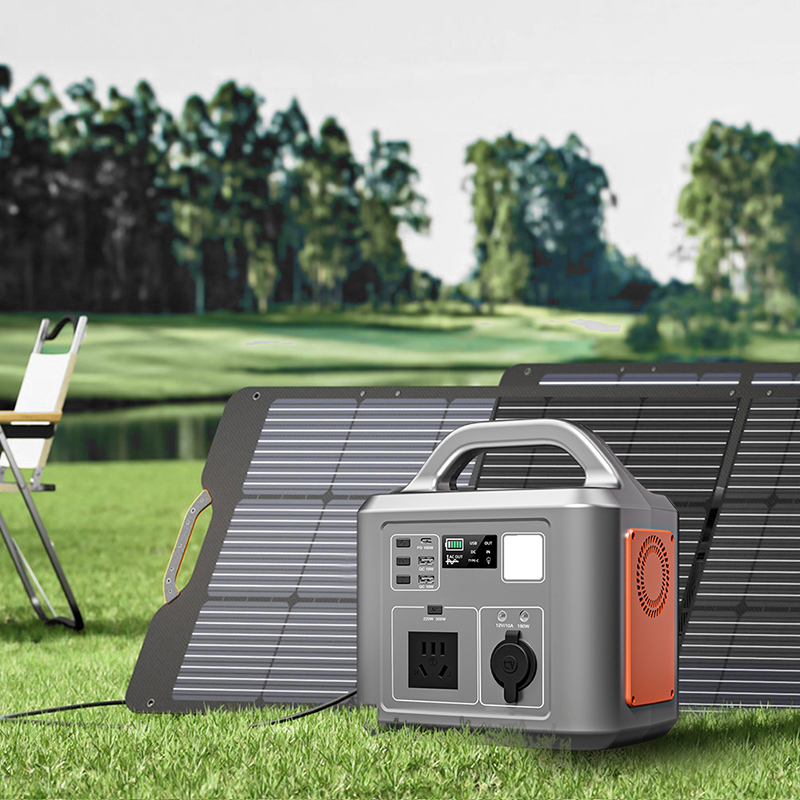
ELITE POWER is a proud subsidiary of GRACE DEVELOPERS CO., LIMITED. With key design and operational offices across Hong Kong, Shenzhen, and Dongguan, China, we operate as a globalized manufacturing hub. As an innovative production enterprise integrating research, design, electronic assembly, and manufacturing, we specialize in high-efficiency connectivity solutions, medical power systems, and smart new energy storage technologies.
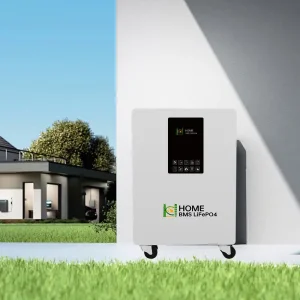
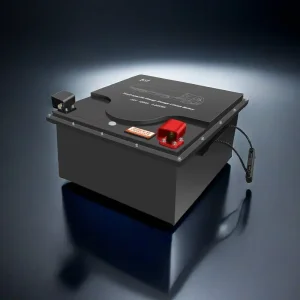
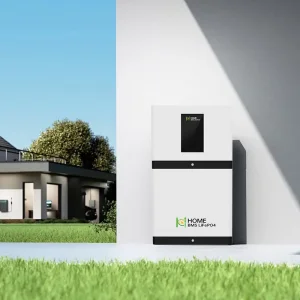
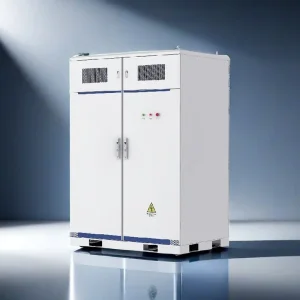
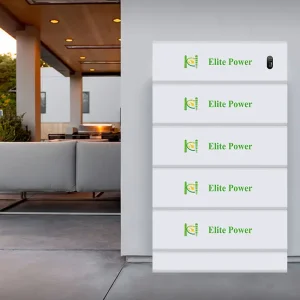
Our comprehensive product portfolio bridges hardware interfaces and backup energy solutions, encompassing household energy storage systems, industrial energy cabinets, high-performance truck batteries, commercial power supplies, and specialized connectivity adapters. By leveraging our state-of-the-art SMT assembly lines and strict Quality Assurance (QA) protocols, we provide global OEM/ODM solutions tailored for critical enterprise infrastructure.
Our operational systems are fully certified under international standards to guarantee consistency, reliability, and security across all product lines.
We have obtained ISO 9001:2015 quality management and ISO 14001:2015 environmental management system certifications. In 2022, we solidified our international footprint by signing a strategic cooperation agreement with major US partners to market integrated energy systems, emergency start systems, and electronic hardware solutions globally.


In data center environments, field-service engineers must quickly interface with high-density storage drives to diagnose failures, clone boot drives, or extract critical system logs. In these deployment scenarios, an unstable USB adapter is a liability. Our OEM USB hard drive adapter architectures are engineered to support automated script injection and block-level raw data transfers without losing connection frames. This high physical and protocol stability prevents data corruption during diagnostic loops.
Additionally, modern clean energy grids, heavy industrial machinery, and medical imaging facilities depend on real-time data loggers that output massive analytical files onto solid-state drives. By utilizing integrated power delivery (USB Power Delivery - PD) alongside USB 3.2 data lines, our hybrid adapters ensure that power-hungry 3.5-inch Enterprise HDDs or high-capacity NVMe drives operate safely without needing external wall outlets, simplifying field equipment arrays.
As storage interfaces transition to PCIe Gen 5 lanes, the data conversion throughput requirement will eclipse 40 Gbps. Our R&D team in Shenzhen and Dongguan is actively working on next-generation PCIe Gen 5-to-USB4 hardware bridges. These platforms will incorporate intelligent thermal management systems (including built-in heatsink channels and miniature low-noise fans) to counteract the extreme heat generated by NVMe drives during high-volume reads and writes. Future iterations will also focus on integrating cryptographic keys into the adapter firmware, offering hardware-level security to prevent unauthorized access to mounted physical volumes.
Our manufacturing facilities are built to meet the rigorous quality control standards of global electronics sourcing.
Every batch of OEM USB Hard Drive Adapters undergoes a thorough multi-step validation procedure to ensure reliable long-term performance under variable thermal and electrical loads. The primary compliance guidelines include:
For medical and industrial applications, our factory implements rigorous tracking. Each production run has a distinct batch number linked to raw silicon material shipments, enabling transparent audits in the event of component failures. By sourcing components only from certified semiconductor foundries, we eliminate the risks associated with counterfeit ICs, which are a common cause of packet loss and drive corruption in low-tier adapters.
Essential questions answered for hardware buyers, engineering leaders, and enterprise procurement managers.
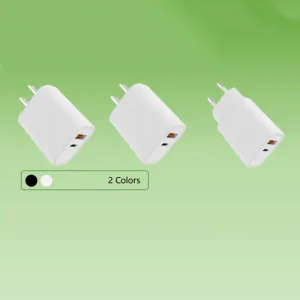
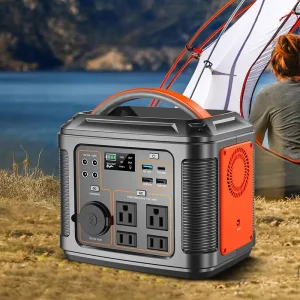
Our extensive engineering capabilities extend to smart power stations, heavy industrial cabinets, and high-efficiency fast-charging hardware.
 ELITE POWER