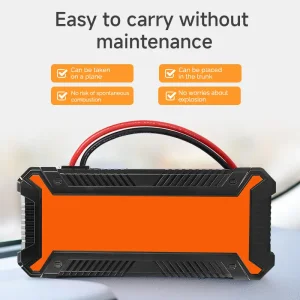
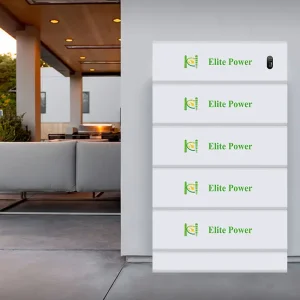
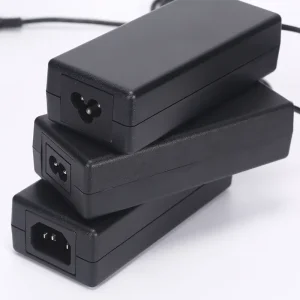
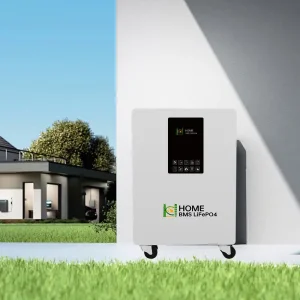
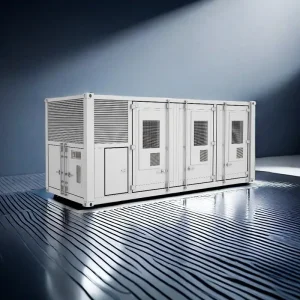
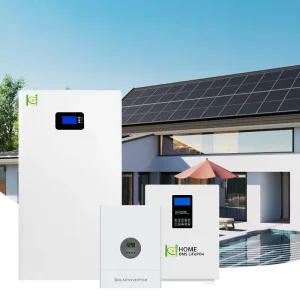
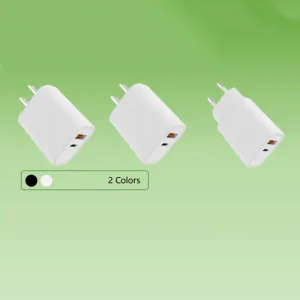
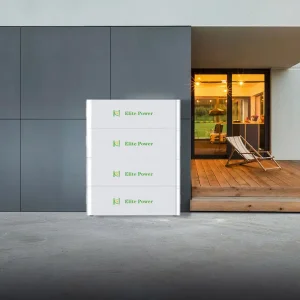
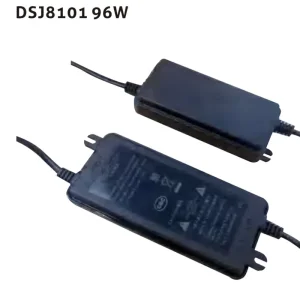
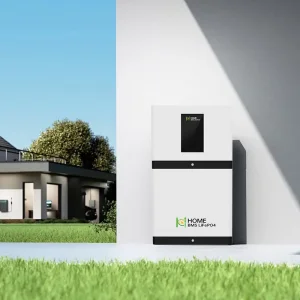
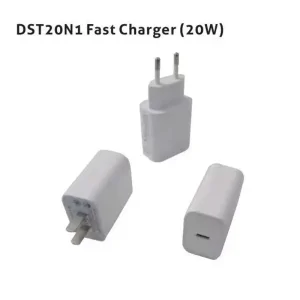
Explore a selection of our state-of-the-art emergency power designs, medical-grade charging architectures, and supercapacitor units designed to support global consumer tech infrastructure.
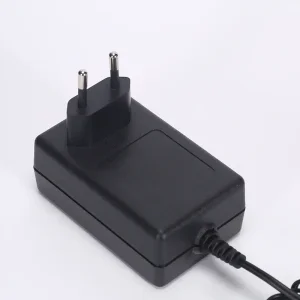
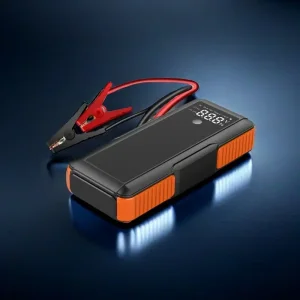
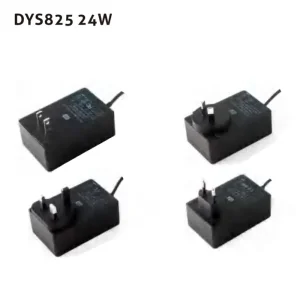
In an age defined by hyper-mobility and uninterrupted digital connection, the industrial sector behind portable iPhone battery chargers has evolved from basic accessory production into a multi-billion dollar segment of global electronics manufacturing. Large-scale procurement demands, complex shipping logistics, and strict compliance profiles require specialized factories with robust supply chains, extensive technical roadmaps, and reliable testing systems.
For B2B procurement managers, sourcing directly from a tier-1 portable iPhone battery charger factory involves analyzing core metrics beyond standard production volume. These critical components include chemical cell stability, Power Delivery (PD) protocol integration, safety features, and structural thermal management. As mobile systems transition toward faster, more dynamic power transfers, manufacturers must continuously optimize their infrastructure to match changing hardware specifications.
The manufacturing ecosystem for portable charging solutions remains concentrated in key hardware development hubs, particularly in Shenzhen and Dongguan, China, with vital logistical support handled through Hong Kong. These hubs host deep supply chains, providing immediate access to high-grade lithium polymer cells, specialized power management integrated circuits (PMICs), and raw materials like aerospace-grade aluminum and flame-retardant ABS thermoplastics.
Currently, the market faces two primary operational realities:
Successful international sourcing relies on choosing factories that operate as one-stop shops—managing everything from cell design and circuit engineering to local custom clearances and compliance document processing. Sourcing structures built with strong logistical support help mitigate import delays, tariff complications, and compliance hold-ups at international border crossings.
Portable power units are no longer just basic storage cells with standard step-up converters. Modern chargers feature sophisticated power management systems designed to work with contemporary device charge cycles. Key elements of this technical roadmap include:
By using smart microcontrollers (MCUs) to manage temperature and charge cycles, high-quality power banks help preserve device battery life over time, protecting consumers' high-value hardware.
Monitors internal device temperature continuously, adjusting output current to prevent thermal build-up and maintain safe operating levels.
Distributes power dynamically across multiple ports, ensuring fast charging for connected devices while protecting the charger's internal cells.
Uses Grade-A lithium polymer cells designed to retain over 80% capacity after 500+ charge and discharge cycles.
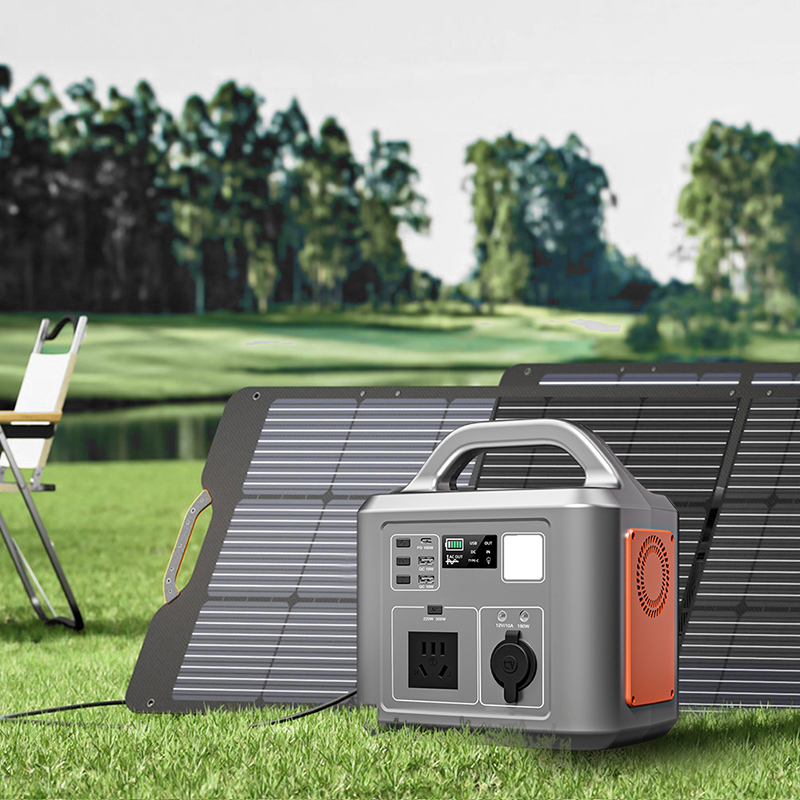
ELITE POWER, a subsidiary of GRACE DEVELOPERS CO., LIMITED, operates dedicated branches in Hong Kong, Shenzhen, and Dongguan, China. As an advanced green energy enterprise, we integrate research, system design, hardware manufacturing, and global sales into a unified service structure.
Our engineering focus extends across several core categories, including household energy storage systems, commercial energy storage cabinets, containerized storage setups, supercapacitor jump starters, mobile power banks, industrial truck batteries, and built-in furniture battery packs.
Through our ISO 9001:2015 and ISO 14001:2015 certified operations, ELITE POWER ensures that our electronic products, charging units, and battery packs comply with international quality standards and environmental regulations.

FAITH: We operate with honesty and transparency in all our business dealings.

INNOVATION: We are committed to pushing the boundaries of renewable energy technology to create a greener future.

EFFORT: We strive for excellence in everything we do from product development to customer service.

Win-Win: We believe that teamwork and partnership are most important for partners.
In 2022, ELITE POWER signed a strategic cooperation agreement with established partners in the United States to develop the integrated optical storage and charging market. This partnership focuses on supplying home energy storage configurations and commercial energy systems, alongside deep technical cooperation in heavy truck parking batteries and emergency activation systems.
While often viewed as simple consumer tech accessories, portable charging blocks serve critical roles across several industrial, corporate, and commercial sectors:
Reliable electronic manufacturing relies on strict testing and quality control. Vetted factories ensure their products comply with key international standards to guarantee safety and compliance:
The primary safety standard for portable power banks. It requires rigorous testing for overcharge protection, short circuits, and thermal runaway prevention.
Certifies that battery packs can safely withstand the physical stresses, pressure changes, and temperature shifts encountered during global transport.
Validates electromagnetic safety, limits radio frequency interference, and restricts the use of hazardous substances in electronic assemblies.
Additionally, choosing manufacturers with ISO 9001 and ISO 14001 certifications ensures consistent, audited assembly processes and environmentally responsible manufacturing practices.
Explore our complete product catalog, featuring heavy-duty battery packs, stackable home energy systems, and high-efficiency chargers engineered for global distribution.
 ELITE POWER