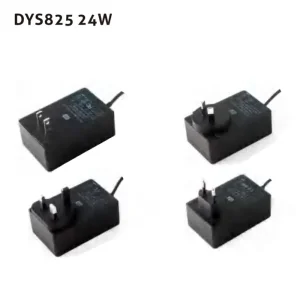
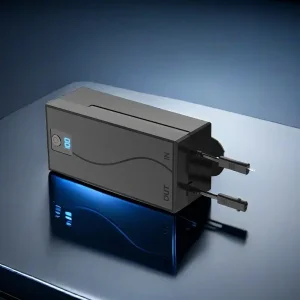
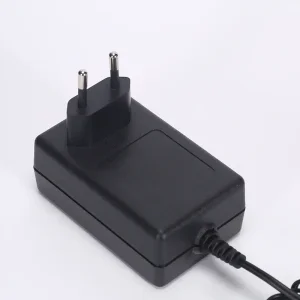
The RC (Radio-Controlled) car sector has shifted from basic hobbyist models to high-precision engineering systems. Modern RC cars operate on advanced battery chemistries (LiPo, LiFePO4, LiHV, and NiMH) that demand sophisticated, micro-processor-controlled charging systems. This evolution drives industrial demand for robust, reliable OEM RC Car Battery Charger Manufacturers capable of designing high-efficiency power architectures.
As the electric mobility and commercial UAV (unmanned aerial vehicle) sectors expand, RC charging principles serve as the framework for larger micro-mobility applications. Industry stakeholders require power solutions that provide safety, thermal management, and optimal charging cycles. As a leading manufacturer, Elite Power delivers scalable, state-of-the-art battery chargers and systems tailored to commercial, industrial, and hobby-grade requirements worldwide.
Our technical designs integrate advanced circuit layouts with real-time analytics to ensure efficient energy transfer and comprehensive protection for high-drain battery packs.
Our OEM chargers utilize 32-bit ARM Cortex processors to manage cell balancing down to a precision of ±0.01V. This balancing maximizes power efficiency and extends the overall cycle life of complex RC batteries.
Designed with high-velocity internal fans and aluminum heat sinks, our chargers maintain optimal internal temperatures, preventing thermal runaway and protecting the circuitry during high-amperage cycles.
Equipped with customizable profiles for LiPo, LiFePO4, LiHV, and NiMH batteries. Safety features include over-voltage, over-current, reverse-polarity, and temperature cut-offs.
As a seasoned factory, we configure our charging architectures according to your brand's specifications. Below are the key engineering metrics available for our custom production lines:
| Feature Parameter | Standard Settings | Advanced OEM Configurations |
|---|---|---|
| Supported Chemistries | LiPo / LiFePO4 / NiMH / NiCd | High-Voltage LiHV (4.35V/cell) & Smart Batteries |
| Power Output Ranges | 50W - 100W Single Channel | Dual/Quad Channel up to 200W - 1000W output |
| Balancing Precision | ± 0.02V per cell | ± 0.005V per cell with diagnostic calibration |
| Smart Connectivities | Standard LCD / LED Indicator | Bluetooth App integration, USB-C Data Logging, Cloud Telemetry |
| Housing Materials | Impact-resistant ABS Plastic | CNC Machined Anodized Aluminum alloy casings |
| Cooling Mechanism | Passive ventilation slots | Intelligent dual-ball-bearing cooling fan arrays |
ELITE POWER, a subsidiary of GRACE DEVELOPERS CO., LIMITED, operates key facilities in Hong Kong, Shenzhen, and Dongguan, China. Integrating scientific research, precision design, advanced manufacturing, and global sales networks, we specialize in high-efficiency, green new energy storage and charging solutions.
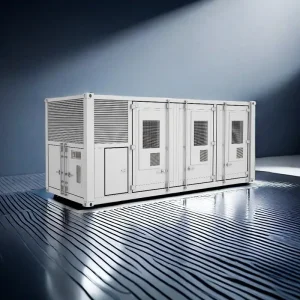
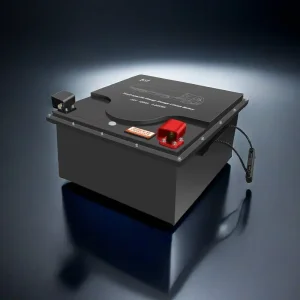
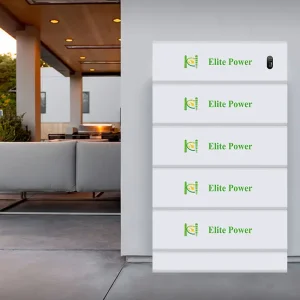
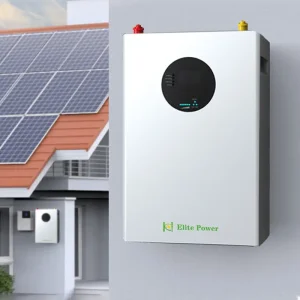
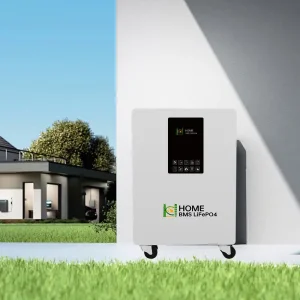
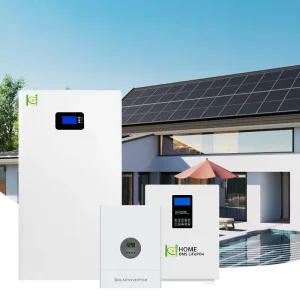
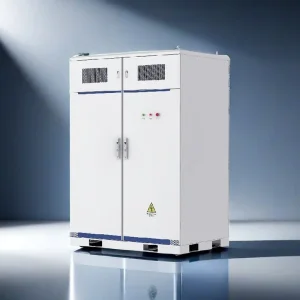
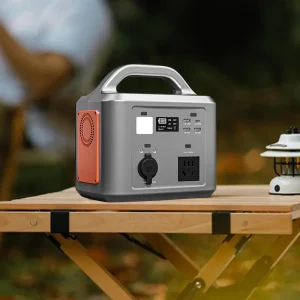
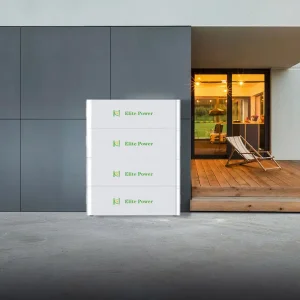
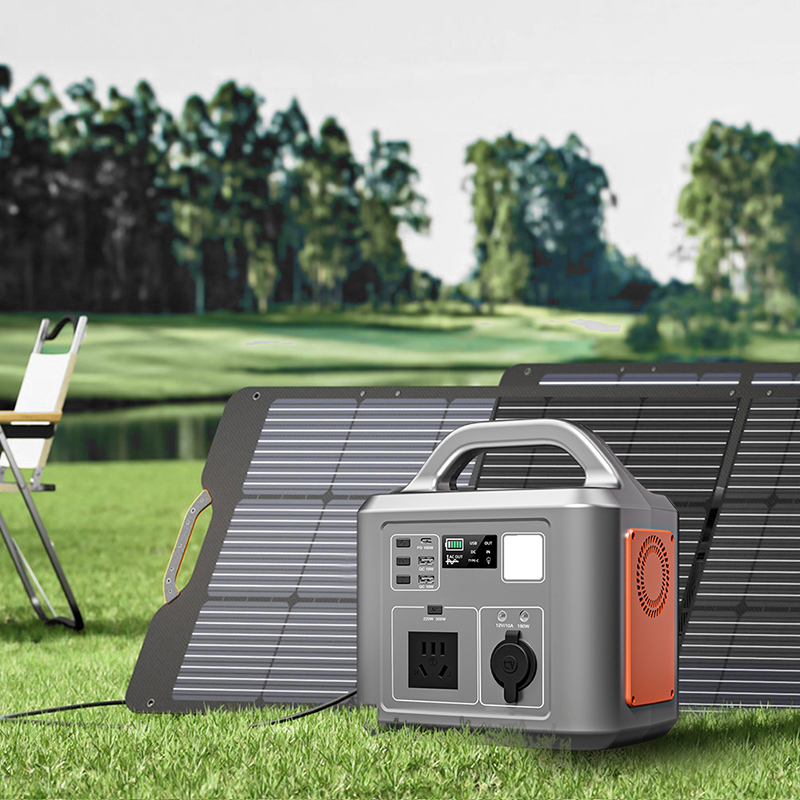
Beyond high-performance chargers, our industrial product portfolio includes household energy storage systems, industrial and commercial energy storage cabinets, containerized storage solutions, super capacitor jump starters, portable power stations, truck lithium batteries, and custom furniture power packs.
We maintain certifications under the ISO 9001:2015 Quality Management System and ISO 14001:2015 Environmental Management System. In 2022, we established a strategic partnership with US collaborators to target the optical storage, heavy truck parking battery, and charging system sectors, expanding our footprints in emergency activation and smart energy systems.


The power electronics industry is transitioning toward materials that offer higher power density and thermal efficiency. Our technical roadmap focuses on integrating Gallium Nitride (GaN) semiconductors into our charger designs, reducing size by up to 40% while maintaining high power outputs.
Additionally, we are developing IoT-enabled smart chargers that connect directly to cloud-based monitoring systems. This will allow commercial fleet operators—such as logistics, drone, and educational robotics fleets—to track battery telemetry, analyze internal resistance, and predict battery degradation cycles in real-time, preventing potential field failures.
We align our manufacturing standards with strict global safety protocols to ensure compliance in North American, European, and Asian markets.
All OEM chargers undergo electromagnetic compatibility tests, verifying they do not interfere with other high-frequency equipment or regional telemetry signals.
Our designs meet the safety standards of UL 62368-1 and IEC 62368-1. These standards mandate comprehensive protection against electrical shocks, thermal hazards, and component failures.
Consistent with our ISO 14001:2015 environmental certification, we minimize environmental impact by excluding hazardous substances from our manufacturing processes.
Our OEM battery chargers are deployed across various commercial and industrial fields:
In high-speed competition environments, our chargers balance and recharge batteries quickly to ensure peak voltage curves during qualifying sessions.
Our chargers support educational institutions using multi-chemistry LiPo and NiMH battery packs, offering user-friendly interfaces and robust safety protections.
Designed for agricultural inspection and surveying firms, our industrial-grade multi-channel systems charge high-capacity packs concurrently to minimize downtime.
Get detailed answers regarding order customization, technical design requirements, and production processes.
 ELITE POWER