Explore our integrated catalog of premium off-grid equipment, including power stations, backup energy units, and customized charge control systems.
As off-grid industrial systems scale worldwide, the 12V solar charge controller remains the cornerstone of critical low-voltage power networks. Discover the engineering parameters that drive reliability in extreme environments.
Understanding topology is essential. While Pulse Width Modulation (PWM) offers budget-efficiency for small applications where PV cell voltage matches battery bank voltage, Maximum Power Point Tracking (MPPT) delivers up to 30% more energy harvest. A premium OEM Solar Charge Controller 12v adapts to both configurations, stabilizing input fluctuations to safeguard sensitive electronic loads.
Low-voltage systems deal with higher currents. For a 12V system, delivering 600W requires approximately 50A of current. At this level, thermal efficiency dictates system longevity. High-quality designs employ extruded aluminum heatsinks and thermal interface materials (TIM) to achieve fanless heat dissipation, preventing thermal throttling even at 60°C ambient temperatures.
Modern battery chemistry requires precise control algorithms. An OEM controller must feature customized charging algorithms for traditional Lead-Acid (Flooded, AGM, Gel) and modern Lithium structures (LiFePO4, LTO). Proper multi-stage charge profiles (Bulk, Absorption, Float, Equalize) prevent premature cell degradation and maximize overall service life.
Operating at the heart of China's advanced electronics manufacturing hubs in Shenzhen and Dongguan, we combine supply chain speed with rigorous quality controls to deliver scalable OEM solar controller solutions.
Our PCB assembly lines integrate automated processes to eliminate human error. Solder paste inspection, high-speed pick-and-place systems, and in-line AOI scanners guarantee that every resistor, MOSFET, and micro-controller meets tight tolerance specifications. Post-assembly, functional testing checks thermal profiles and electrical isolation under load.
Proximity to first-tier electronic component manufacturers in the Pearl River Delta guarantees direct access to premium raw materials. This proximity reduces transit times, avoids component shortages, and lowers production costs. We pass these savings directly to our global OEM partners through competitive bulk pricing structures.
From remote industrial equipment to mobile off-grid setups, our 12V solar charge controllers adapt to diverse environmental demands.
Engineered to handle persistent mechanical vibrations and marine humidity, these systems protect camper and boat battery banks from overcharging while maximizing solar input in changing weather conditions.
Integrated dusk-to-dawn lighting controllers, coupled with IP68 waterproof ratings, automate smart cities. Pre-configured dimming schedules protect battery capacity during extended cloudy periods.
Reliable power supplies for isolated RTU units and telecommunications towers. MODBUS communication protocols allow operators to track performance data remotely.
Powers off-grid water pumping, remote sensor arrays, and greenhouse irrigation valves, ensuring consistent crop monitoring and automated water delivery.
Technology is evolving rapidly. We monitor and implement the latest developments to keep your brand at the forefront of the market.
Traditional stand-alone controllers are being replaced by connected devices. Bluetooth, Wi-Fi, and LoRaWAN modules are increasingly standard, allowing customers to monitor real-time generation and efficiency through customized mobile apps.
We use synchronous rectification technology in our MPPT circuits, which reduces voltage drops across rectifying diodes. This innovation boosts efficiency to 98%, maximizing solar power conversion.
Charging lithium batteries below freezing temperatures can cause permanent plating damage. Our smart controllers feature temperature sensors that stop charging when temperatures drop below 0°C, preserving battery health.
B2B procurement requires reliable quality, consistent pricing, and clear communication. Here is how we support global sourcing managers.
We ensure our products carry the certifications required for global markets, including CE, FCC, RoHS, and UL-compliance parameters. This compliance prevents customs delays and streamlines local regulatory approvals.
We customize enclosures with your brand colors and logos, tailor silk-screen layouts, modify default battery profiles, and write custom firmware options. Our engineering teams adapt our hardware to match your product specs.
We schedule production lines dynamically to meet high-volume orders without compromising quality. Our inventory management processes ensure stable lead times for bulk purchases.
ELITE POWER is a proud subsidiary of GRACE DEVELOPERS CO., LIMITED. With operations spanning Hong Kong, Shenzhen, and Dongguan, China, we operate as a new energy production enterprise integrating scientific research, design, manufacturing, and sales. We focus on intelligent green new energy storage solutions.
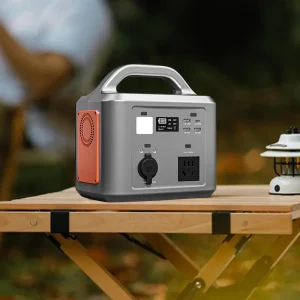
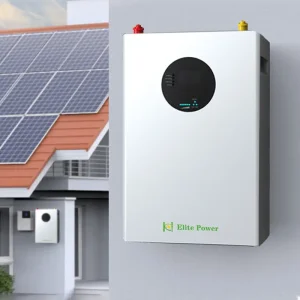
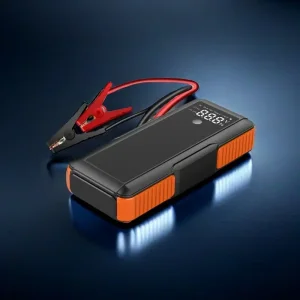
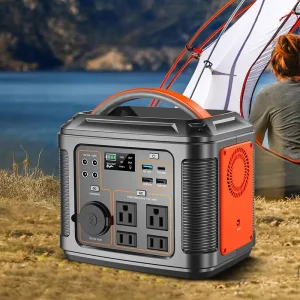
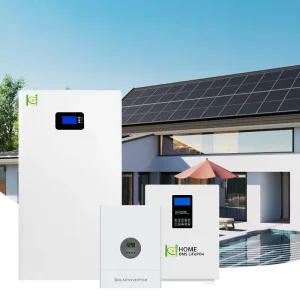
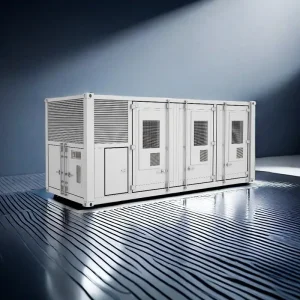
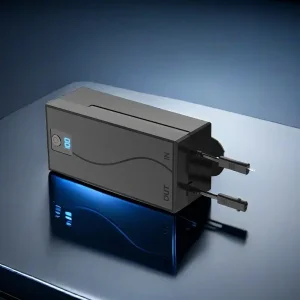
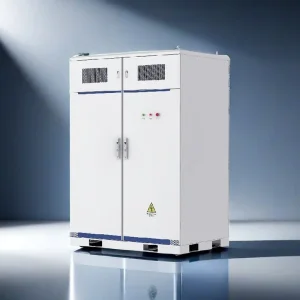
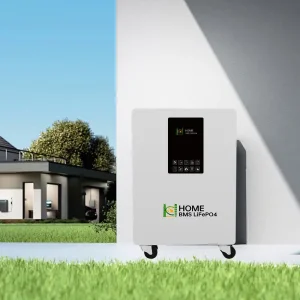
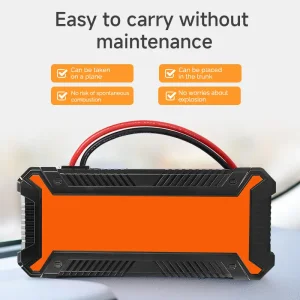
Our comprehensive catalog includes household energy storage systems, industrial and commercial energy storage cabinets, energy storage containers, super capacitor jump starters, portable power stations, truck lithium batteries, furniture batteries, and related off-grid controller systems. By leveraging advanced technological research, we deliver resilient energy architectures designed for global markets.
We maintain ISO9001:2015 and ISO14001:2015 certifications for our quality and environmental management systems. In 2022, we partnered with USA firms to develop charging systems, home energy storage, and industrial energy products, while also expanding into heavy truck parking batteries and emergency activation systems.
 FAITH
FAITH
 INNOVATION
 EFFORT
 Win-Win
Detailed technical answers to common questions about 12V solar charge controllers, system sizing, and battery integration.
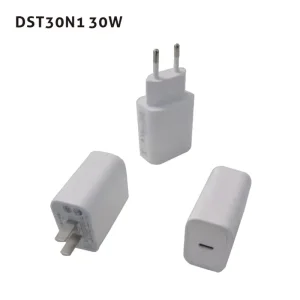
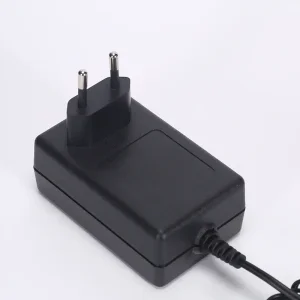
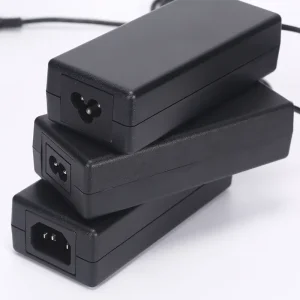
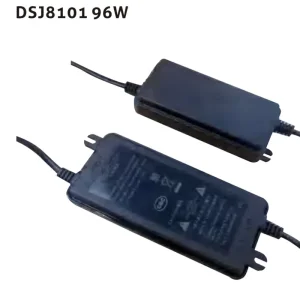
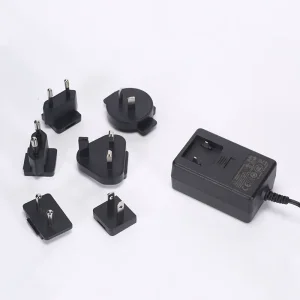
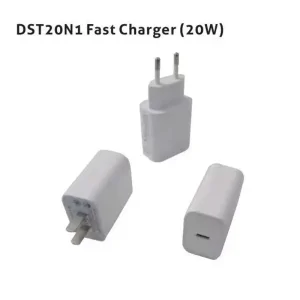
Browse our line of home energy storage units, industrial storage solutions, supercapacitor starters, and interchangeable power adapters.
 ELITE POWER