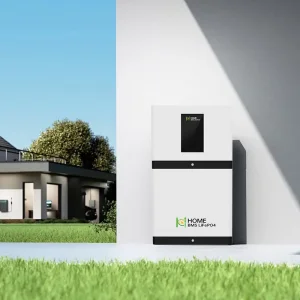
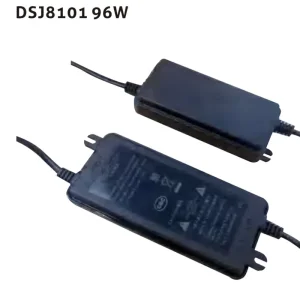
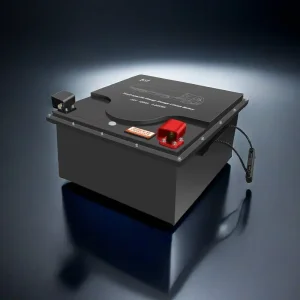
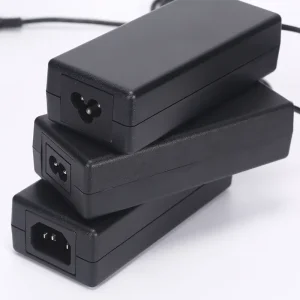
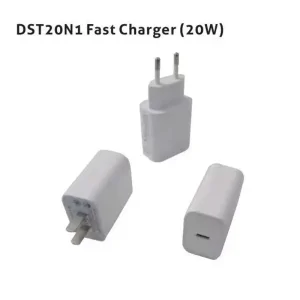
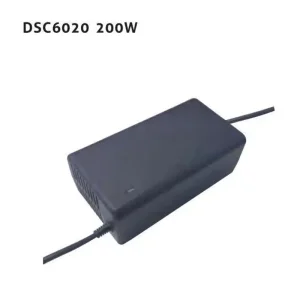
Explore our premium manufactured power supplies, energy storage systems, and solar micro-charging equipment optimized for commercial deployment.

In the global solar commerce space, the Pulse Width Modulation (PWM) charge controller remains an indispensable tool for engineers, grid designers, and procurement managers. While Maximum Power Point Tracking (MPPT) technology dominates high-voltage solar arrays, PWM regulation offers unparalleled simplicity, durability, and cost-efficiency in small-to-medium off-grid solar systems (typically under 200 Watts) where the temperature range is moderate and battery voltage aligns closely with the photovoltaic (PV) array nominal voltage.
A PWM controller functions as an electronic switch between the photovoltaic panels and the battery storage. During charging, the switch is closed, pulling the PV array voltage down to near the battery’s potential. As the battery approaches full charge, the controller progressively pulses the charging current (varying the width of the pulse) to prevent overcharging, gas build-up, and thermal runaway. By modulating this duty cycle, the PWM controller ensures a steady, constant-voltage charge phase (absorption) followed by a low-current standby phase (float).
The total cost of ownership (TCO) is the primary driver. MPPT controllers require complex, expensive inductor circuits and processing chips to down-convert voltage. A high-quality PWM charge controller bypasses these components, resulting in a design that is up to 60% cheaper to manufacture, boasts a longer Mean Time Between Failures (MTBF), and exhibits extremely low standby self-consumption, which is critical for off-grid sensors, solar streetlights, and marine vessels.
For B2B buyers, sourcing wholesale PWM charge controllers from certified factories ensures a steady supply of robust components built to survive extreme temperatures, high humidity, and voltage surges. These devices serve critical roles in infrastructure where the complexity of an MPPT controller would introduce unnecessary points of failure.
ELITE POWER, a proud subsidiary of GRACE DEVELOPERS CO., LIMITED, operates advanced manufacturing and R&D facilities with strategic branches in Hong Kong, Shenzhen, and Dongguan, China. As an elite, new energy production enterprise, we seamlessly integrate scientific research, custom industrial design, precision manufacturing, and international export channels to deliver intelligent green energy storage and conversion solutions.
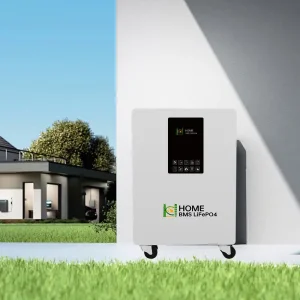
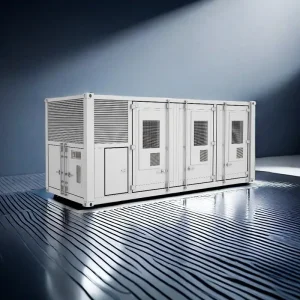
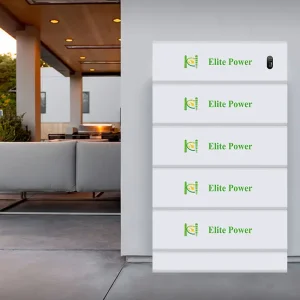
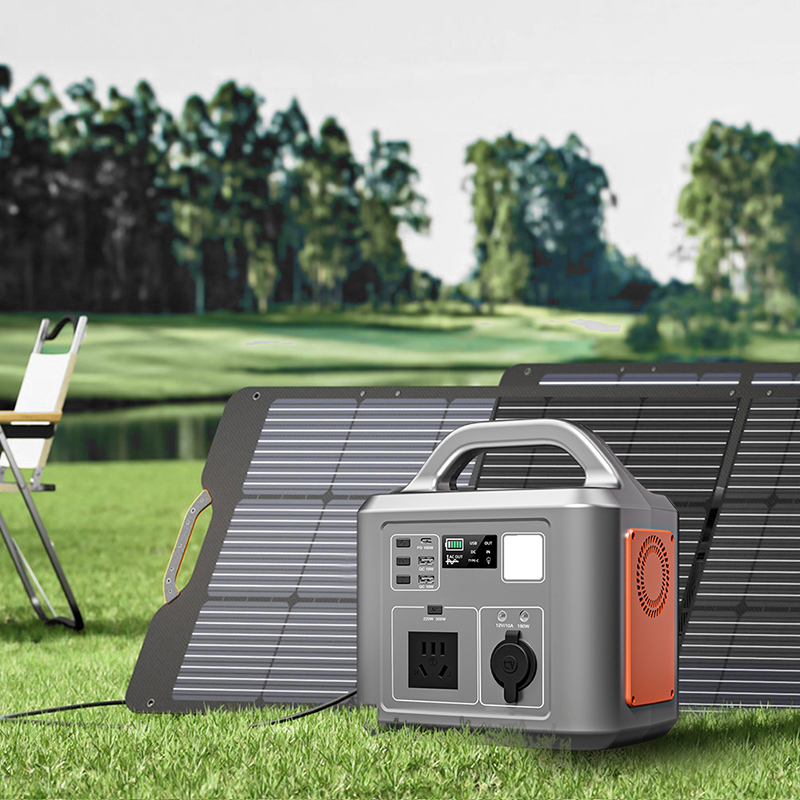
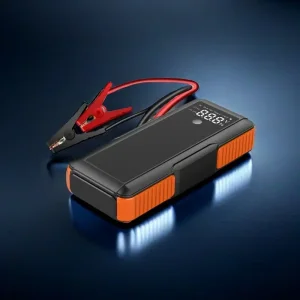
Our expansive product portfolio encompasses household energy storage systems (ESS), commercial and industrial (C&I) energy storage cabinets, multi-megawatt energy storage containers, supercapacitor jump starters, lightweight portable power stations, heavy-duty truck lithium batteries, and specialized furniture batteries. By mastering the core technologies of battery management systems (BMS) and photovoltaic charge regulation, we guarantee reliable performance across all product categories.
Our commitment to rigorous testing and collaborative engineering has earned us long-term strategic supply agreements worldwide.
We operate in strict accordance with ISO 9001:2015 and ISO 14001:2015 frameworks. In 2022, we solidified a landmark strategic cooperation agreement with our USA partners to develop the rapidly growing optical storage, charging, and grid-tied market in North America. This joint venture focuses on next-generation home energy storage systems, large-scale commercial storage projects, and specialized heavy-truck parking batteries with emergency activation capabilities.

We operate with complete honesty and absolute transparency in all business dealings, contracts, and manufacturing specifications.

We push the boundaries of renewable energy technology, investing heavily in R&D to engineer a greener, high-efficiency future.

We strive for perfection in every process—from initial component layout and thermal modeling to customer after-sales support.

We believe mutual growth and collaborative partnerships are key to scaling localized renewable energy access globally.
Leveraging the concentrated industrial power of the Greater Bay Area to deliver unparalleled B2B value.
Our plants in Shenzhen and Dongguan sit within the world's dense cluster of semiconductor, copper coil, and housing manufacturers, drastically reducing raw material lead times and transportation costs.
We utilize high-speed Surface Mount Technology (SMT) lines to place microcontrollers and power MOSFETs with sub-millimeter precision, achieving near-zero assembly defect rates for our PWM PCB arrays.
From customizable battery charging algorithms (LFP, AGM, Gel) to custom LCD display layouts and localized packaging branding, our factories are designed for agile OEM run scaling.
In developing markets, particularly in sub-Saharan Africa, parts of Southeast Asia, and remote parts of Latin America, large-scale utility grid extension is often economically unfeasible. PWM charge controllers serve as the foundational regulation units for individual Solar Home Systems (SHS). These systems typically consist of a 50W to 120W solar panel, a lead-acid or LiFePO4 battery, and a PWM controller to drive DC lighting, USB charging ports, and low-power fans. The lower unit cost of PWM technology makes large-scale government and NGO tender rollouts viable within strict capital expenditure budgets.
Modern municipal solar lights demand compact, ultra-reliable IP67 or IP68 waterproof charge controllers that can withstand extreme daytime heat and overnight cold. Our PWM controllers feature integrated dusk-to-dawn sensors, programmable timers, and dual-period dimming profiles. By regulating the duty cycle sent to high-efficiency LED drivers, these controllers maximize battery charge duration over sequential rainy days without needing secondary relays.
Mobile solar applications present challenging environments with high levels of mechanical vibration and salt-mist corrosion. Marine-grade PWM charge controllers are built with conformal-coated PCBs, marine brass terminals, and robust anodized aluminum heatsinks. Because space is restricted, these controllers manage low-voltage panels directly charging secondary marine house battery banks, preventing overcharging while auxiliary engines or alternator inputs are active.
Remote cellular towers, weather stations, and seismic monitors require constant, clean DC power. A breakdown in charging equipment could mean expensive helicopter transport for maintenance. Industrial PWM regulators, with their simplified solid-state architecture, minimize electromagnetic interference (EMI) that could disrupt wireless signals, keeping remote monitoring arrays online for years without human intervention.
As the solar market shifts toward lithium-based chemistries and smart grid connectivity, the technical demands on PWM charge controllers have evolved. B2B procurement officers should monitor the following design trends to keep their inventories competitive:
When selecting a wholesale factory partner, ensure they provide verified compliance certificates including CE, RoHS, FCC, and UL options if targeting North American markets. It is crucial to verify that the manufacturer performs 100% full-load burn-in testing on the production floor rather than sample-based quality checks. Ask for thermal imaging test reports showing device operation under maximum rated ambient temperatures (typically 50°C) to ensure heat dissipation designs are sufficient.
Answers to technical, commercial, and logistical questions from solar importers, system integrators, and distributors.
Explore additional high-capacity battery units, industrial power blocks, and smart grid components from our certified facilities.
 ELITE POWER