The international transition toward carbon neutrality has accelerated the demand for grid-scale and localized battery energy storage systems (BESS). As wind and solar generation capacities expand, grid volatility increases, positioning energy storage as a key structural asset rather than an optional secondary system. Historically, battery storage was used simply as standby backup power. Today, it operates as an active grid-interactive resource, providing dynamic frequency response, synthetic inertia, peak shaving, and congestion management.
A primary driver in the ODM manufacturing sector is the shift toward Lithium Iron Phosphate (LiFePO4) chemistry, which now leads the utility and residential markets due to its long life and thermal stability. While nickel-manganese-cobalt (NMC) chemistries maintain higher gravimetric energy densities, LiFePO4 offers a lower levelized cost of storage (LCOS), exceptional cycling stability (exceeding 6,000 to 8,000 cycles at 80% Depth of Discharge), and safety against thermal runaway.
"According to industry indicators, the global battery energy storage market is projected to grow at a CAGR of over 23% through 2030, driven by policy shifts such as the US Inflation Reduction Act (IRA) and the EU REPowerEU initiative."
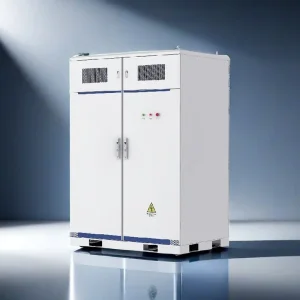
In addition to chemistry modifications, the market is moving toward high-voltage stackable configurations. High-voltage DC architectures (ranging from 400V to over 1500V DC) reduce round-trip losses, optimize inverter conversion efficiency, and simplify balance of system (BOS) wiring. Consequently, commercial and industrial (C&I) organizations are requesting integrated, liquid-cooled cabinet designs that minimize local installation costs and reduce structural footprint.
ELITE POWER is a subsidiary of GRACE DEVELOPERS CO., LIMITED. We operate as an advanced, green energy production enterprise integrating scientific research, systems engineering, precision manufacturing, and international distribution. Our operational and research framework spans key technology hubs in Hong Kong, Shenzhen, and Dongguan, China, enabling us to combine manufacturing efficiency with advanced design capabilities.
 ELITE Experience
Combining engineering capabilities, compliance testing, and hardware integration to deliver scalable energy products worldwide.
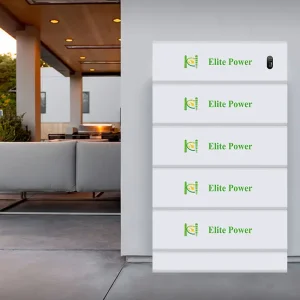
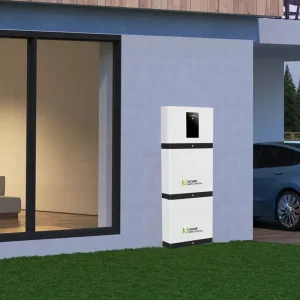
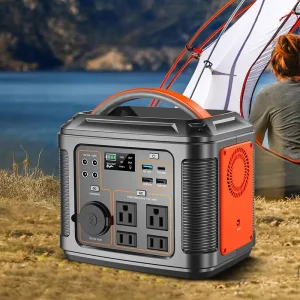
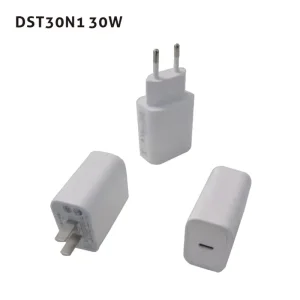
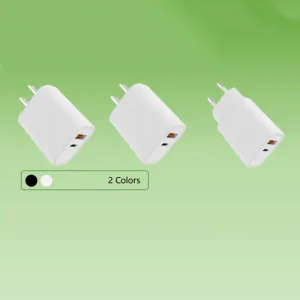
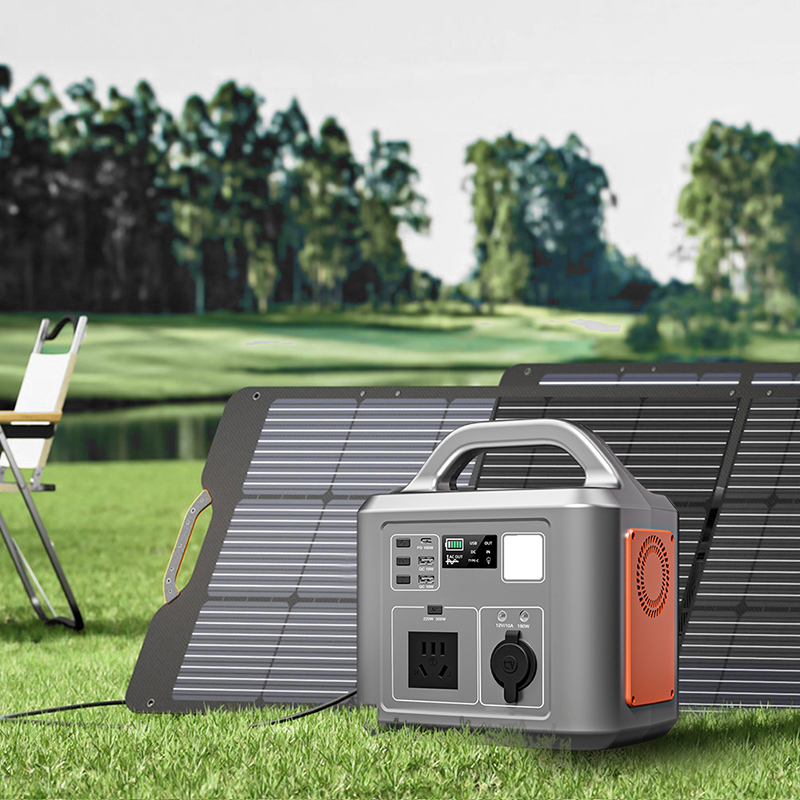
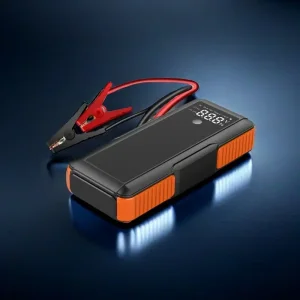
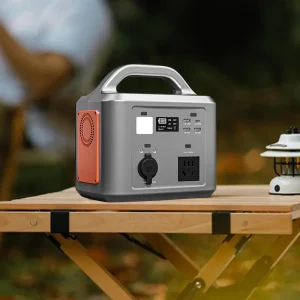
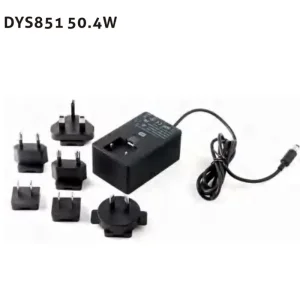
Our development pipeline covers intelligent green new energy storage solutions designed for diverse operating environments. Our product lineup includes:
To maintain reliability and global compliance, ELITE POWER operates under verified quality and environmental protocols, obtaining ISO 9001:2015 (Quality Management) and ISO 14001:2015 (Environmental Management) system certifications.
In 2022, we signed a strategic cooperation agreement with USA-based partners to co-develop the solar-plus-storage and charging system market. This partnership focuses on high-capacity residential systems, commercial energy storage, heavy-duty truck parking battery integration, and emergency activation systems, ensuring our products meet the grid connectivity standards of North American markets.
Procurement managers, EPC contractors, and utility developers face distinct challenges when selecting an energy storage partner. Key selection criteria go beyond upfront capital costs (CAPEX) to focus on operational life, degradation profiles, and grid stability. In ODM contract manufacturing, buyers must evaluate cell balancing systems, enclosure structural integrity, and heat dissipation pathways.
For high-power density storage cabinets, such as the 215kWh C&I units, thermal management directly affects battery degradation rates. Air-cooled configurations work well in moderate climates with lower C-rates, but liquid-cooling plates provide more uniform temperature distribution across cells. Maintaining temperature variations below ±2°C across all battery modules helps limit uneven cell degradation, preventing premature pack failure and maximizing long-term battery performance.
Modern energy storage requires integration with local Energy Management Systems (EMS) and utility SCADA centers. Advanced Battery Management Systems (BMS) utilize multi-tier architectures:
This tiered design allows utility operators to dispatch active and reactive power within milliseconds, enabling grid services like primary frequency response.
Deploying commercial, industrial, or residential solar battery storage systems requires matching the hardware configuration to the operational profile. Each application has distinct electrical, thermal, and regulatory needs.
For factories and retail centers, commercial energy storage systems serve to reduce demand charges. By monitoring building consumption, the system discharges stored energy during peak usage periods to flatten the load profile. This application requires reliable BMS control and high C-rate capability (typically 0.5C to 1C charge/discharge rates) to handle large industrial electrical loads.
For remote sites or areas with unreliable grid infrastructure, solar-plus-storage microgrids provide energy independence. The battery storage system establishes a local grid reference (grid-forming mode), balancing solar output variability with local load demands. These configurations require significant surge current capabilities to start inductive loads, such as water pumps and large HVAC compressors.
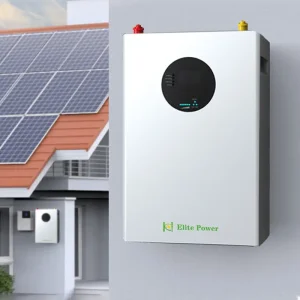
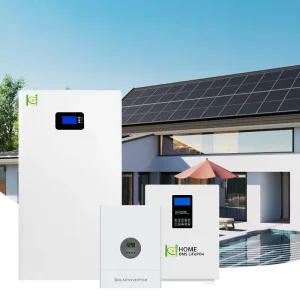
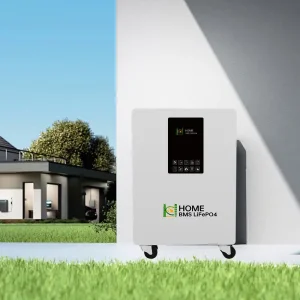
Residential setups prioritize safety, simplicity, and aesthetics. Systems like stackable LFP batteries and integrated hybrid inverters simplify installation while offering scalable capacity. A modular DC connection allows homeowners to expand their storage capacity without needing to rewire the entire electrical panel.
Compliance with regional grid standards and fire safety codes is critical for project approval and insurance coverage. When designing ODM energy storage, engineering teams must build to meet international compliance frameworks.
| Standard / Regulation | Geographical Scope | Technical Focus & Requirements |
|---|---|---|
| UL 9540 & UL 9540A | North America (USA & Canada) | System-level safety standard evaluating fire propagation risk under thermal runaway. Requires cell, module, and cabinet-level testing. |
| IEC 62619 | Europe & International | Safety requirements for secondary lithium cells and batteries in industrial applications, focusing on drop tests, short circuits, and thermal abuse. |
| UN 38.3 | Global Transport | Transportation safety testing for lithium batteries, evaluating vibration, thermal shock, impact, external short circuit, and overcharge conditions. |
| CE (EN 62477-1 / EN 61000) | European Union | Establishes safety, electromagnetic compatibility (EMC), and low-voltage electrical standards for battery energy systems. |
| IEEE 1547 / UL 1741 SB | North America | Specifies smart inverter performance and grid connection requirements, including voltage ride-through and active frequency support. |
These standards guide our hardware development, ensuring that our structures, wiring, and thermal systems meet safety and grid stability requirements.
Battery storage design is moving toward software-enabled optimization. Standard BMS units monitor voltage, current, and temperature to calculate State of Charge (SOC) and State of Health (SOH). However, next-generation platforms integrate edge computing and machine learning to analyze battery degradation dynamically.
By monitoring historical charge profiles, ambient conditions, and micro-impedance changes, an AI-driven BMS can predict cell failures before they occur. These models estimate cell aging rates, adjusting balancing currents to extend overall pack life by up to 15%. Additionally, cloud-based monitoring enables fleet operators to balance load profiles across multiple storage facilities, optimizing performance across regional grids.
Regarding battery chemistry, Sodium-ion (Na-ion) technology is emerging as an alternative for applications where volumetric energy density is secondary to cost. Relying on abundant sodium resources, Na-ion cells offer reliable low-temperature performance and stability, serving as a backup option in cold-climate installations.
Below are answers to key engineering and logistical questions commonly encountered during the design, procurement, and deployment of industrial and residential battery systems.
 ELITE POWER